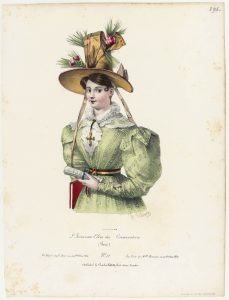
Luxembourg’s first Municipal Music School
Abstract
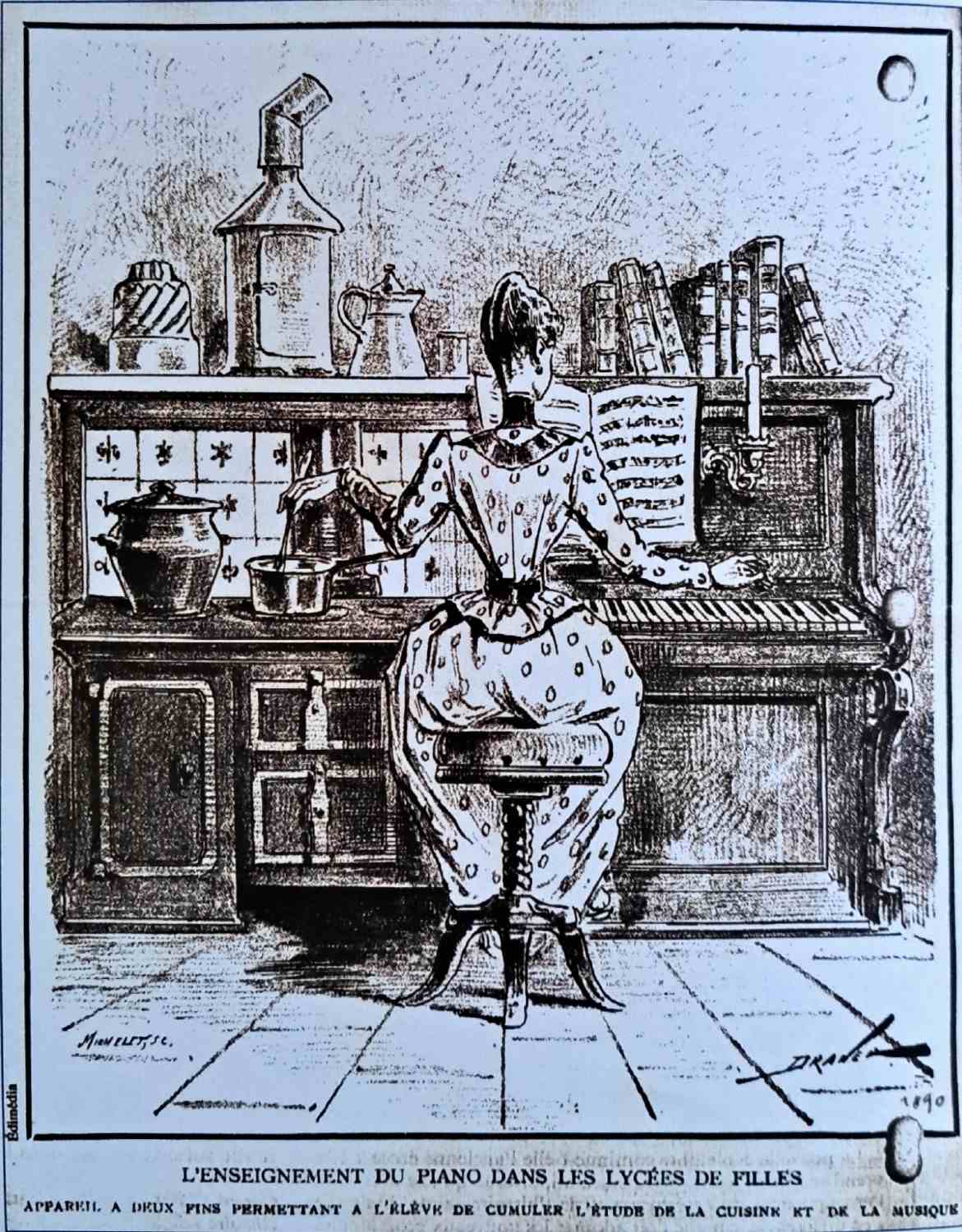
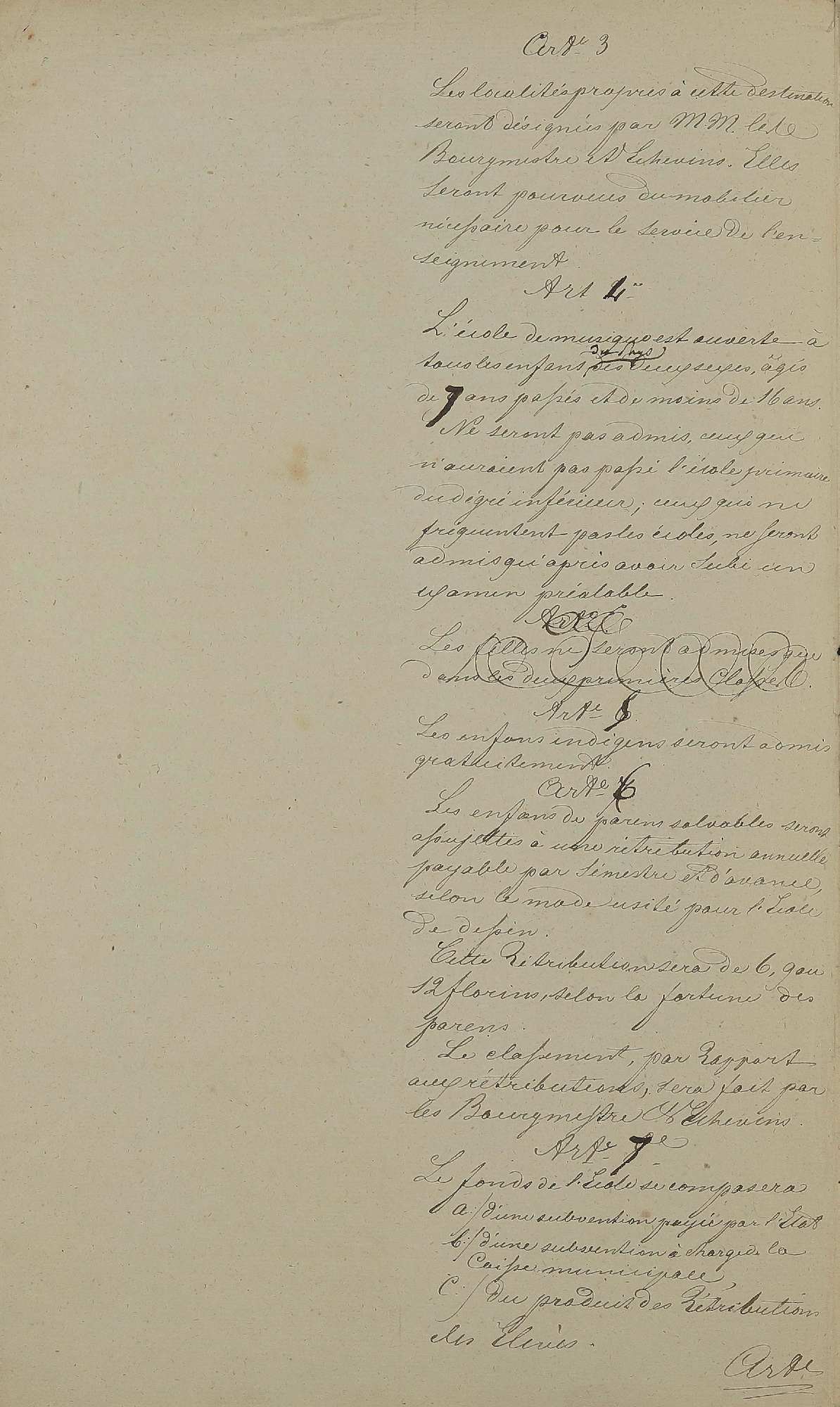
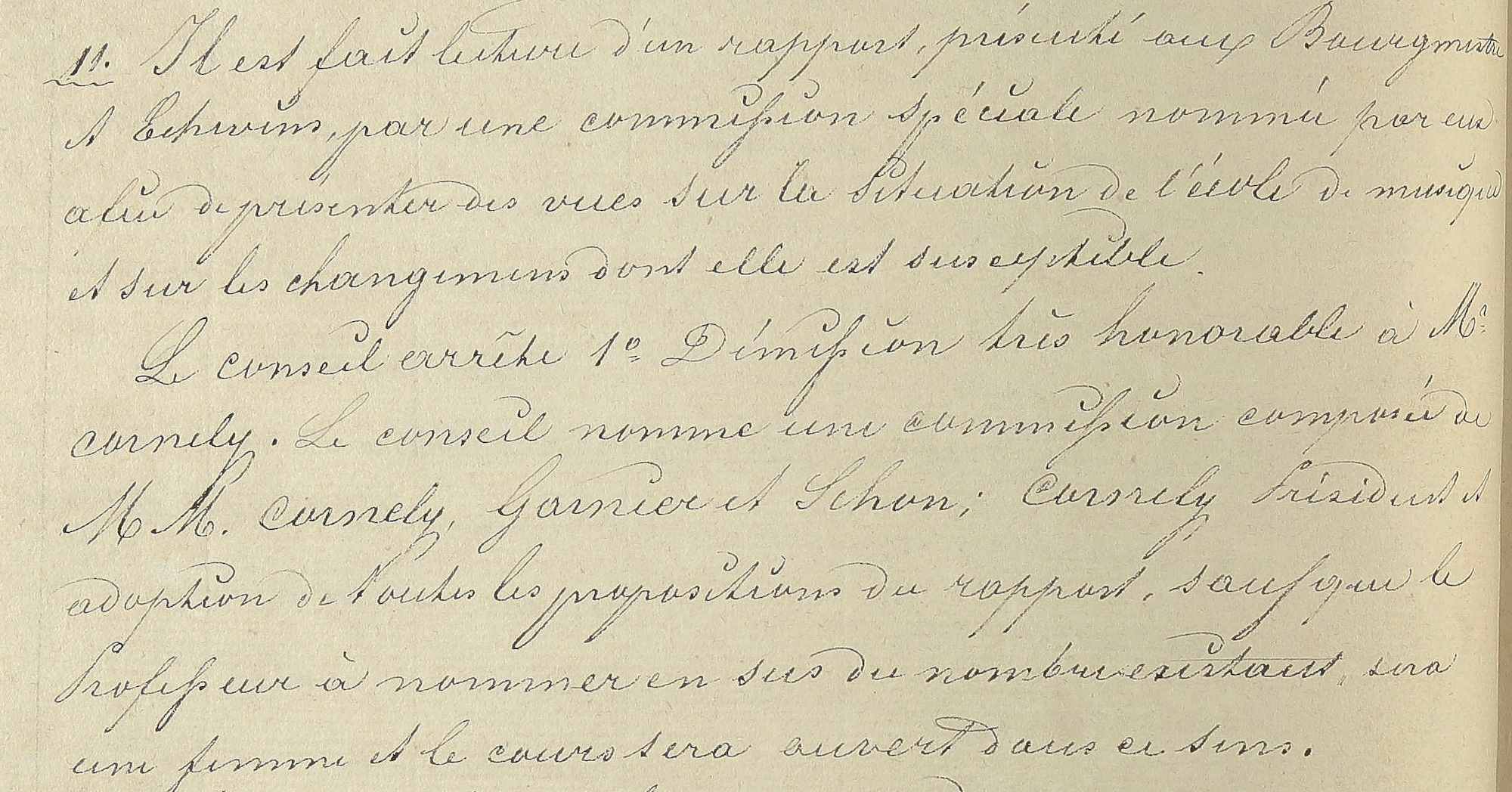
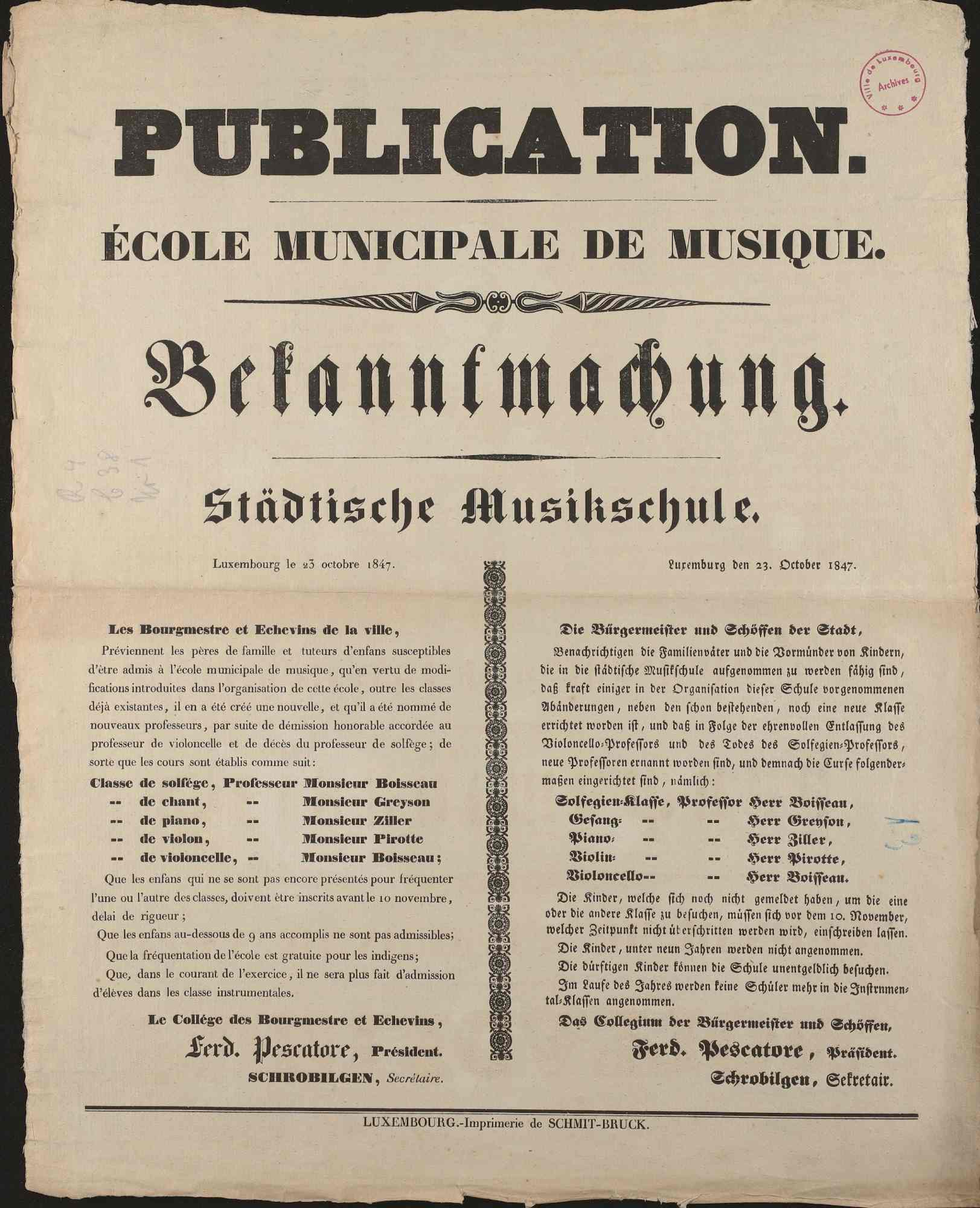
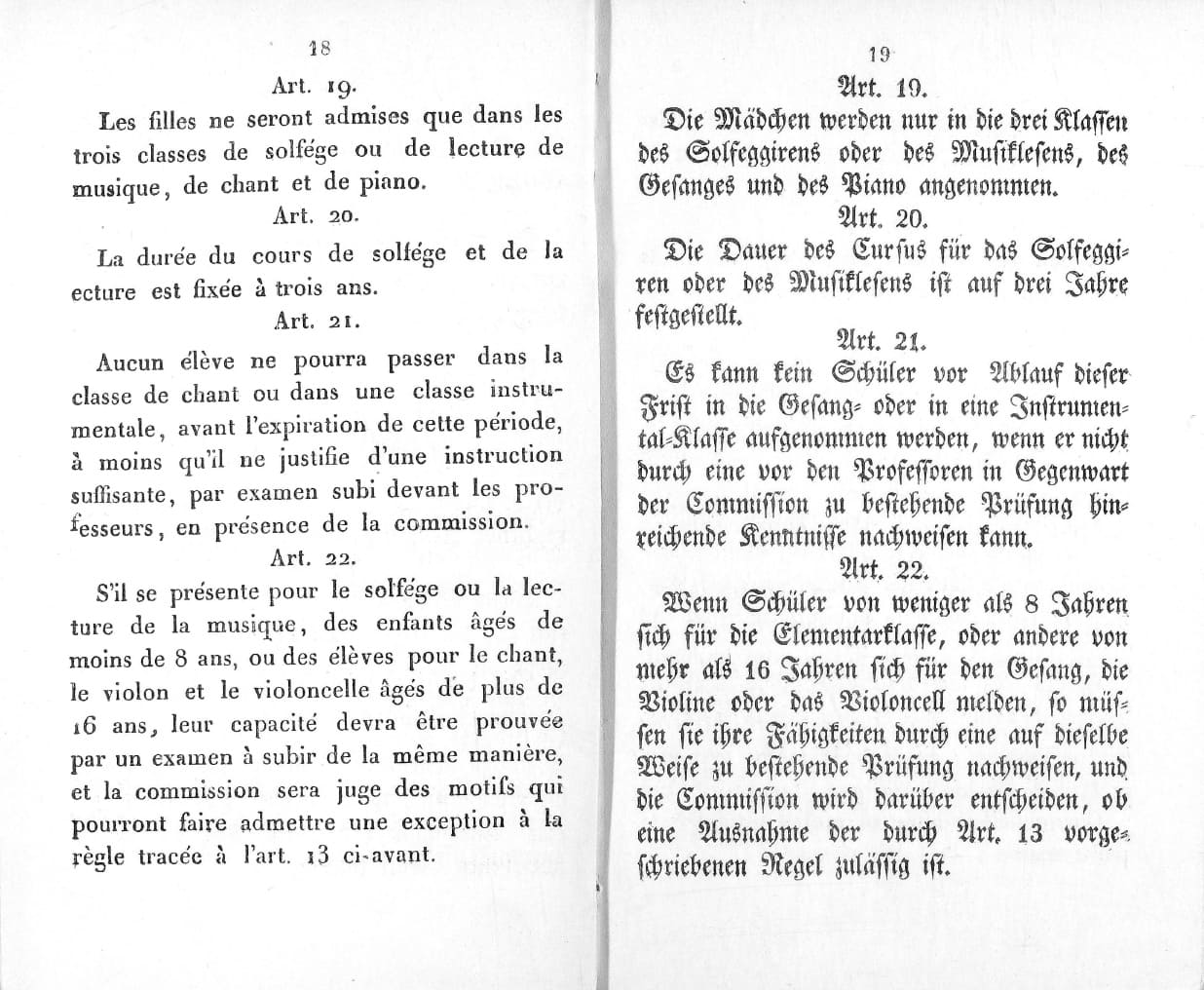
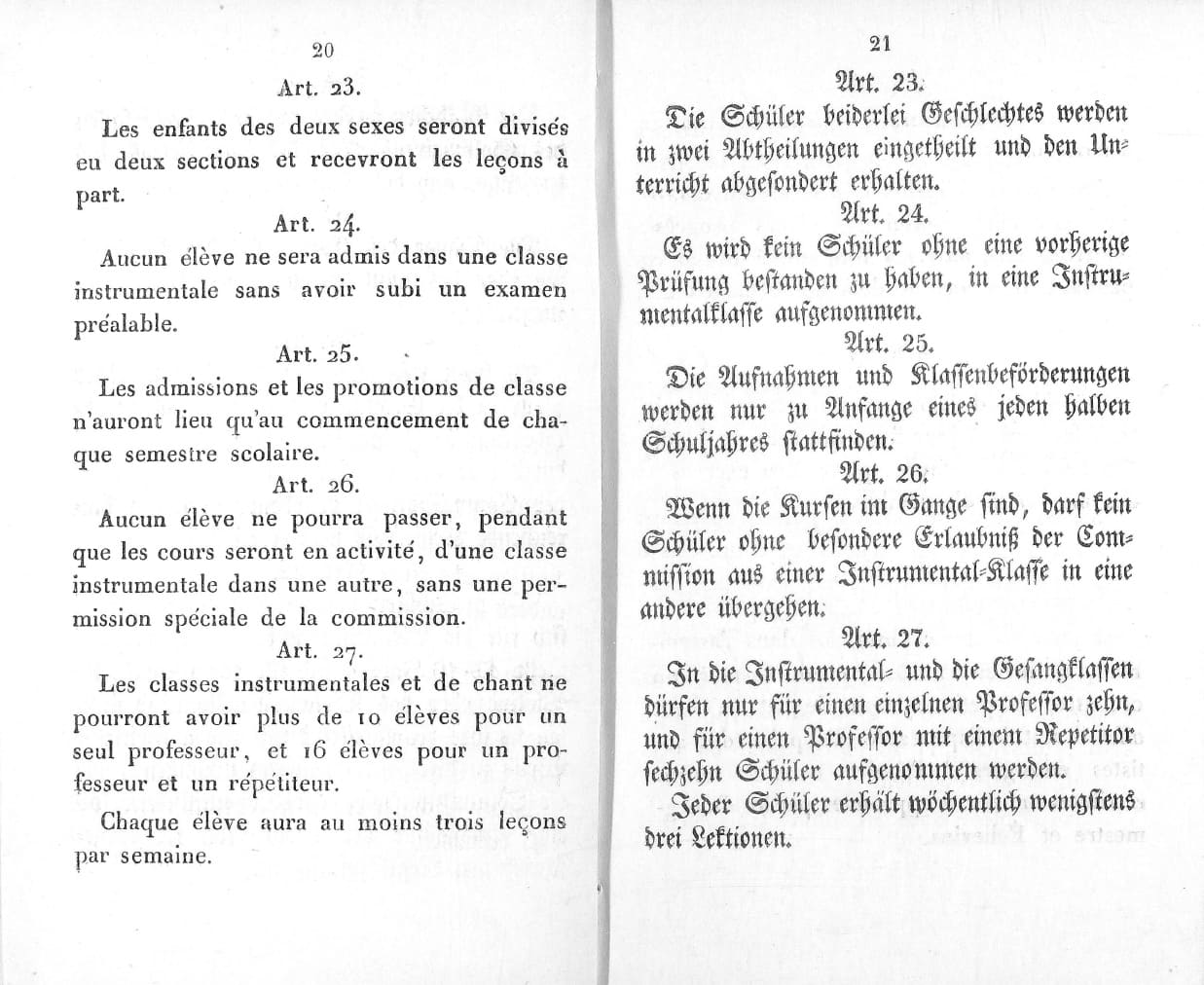
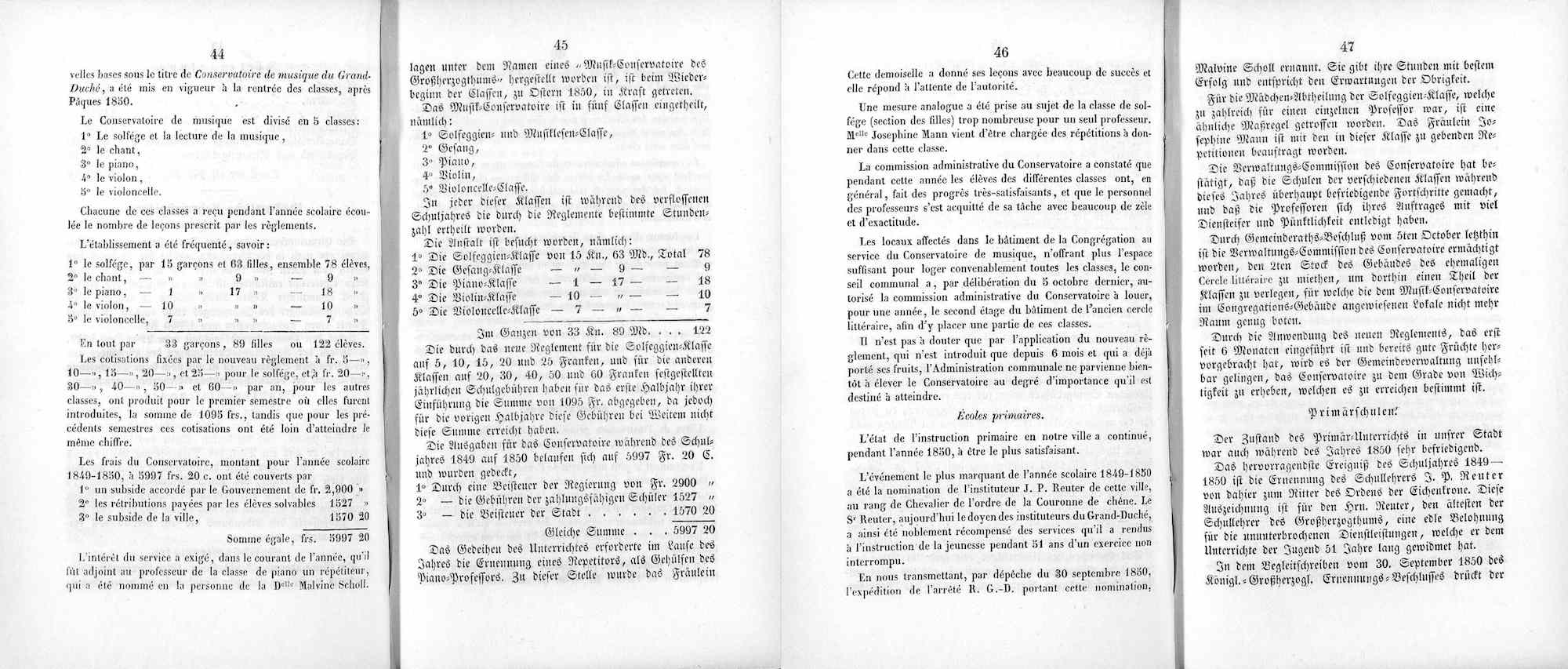
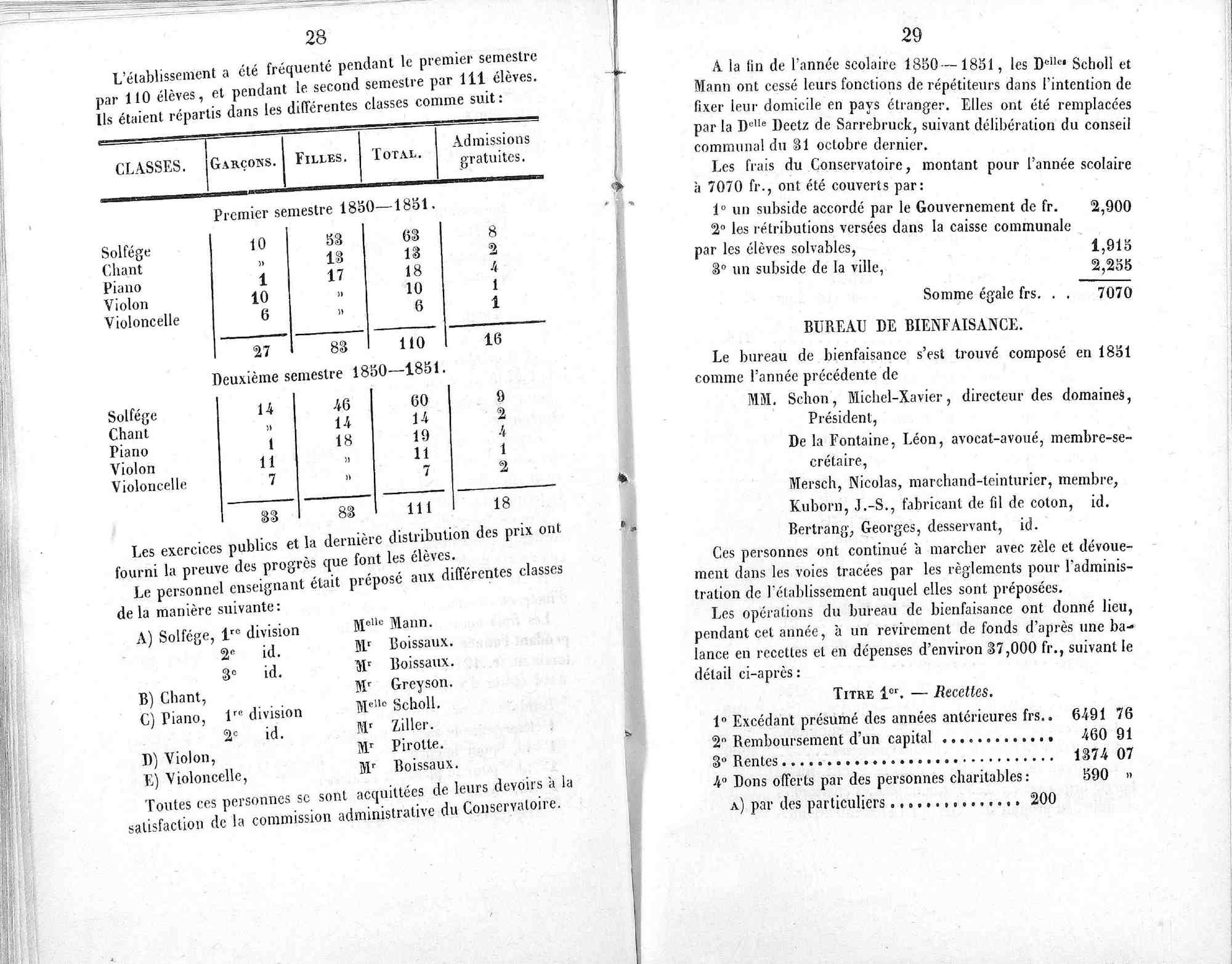
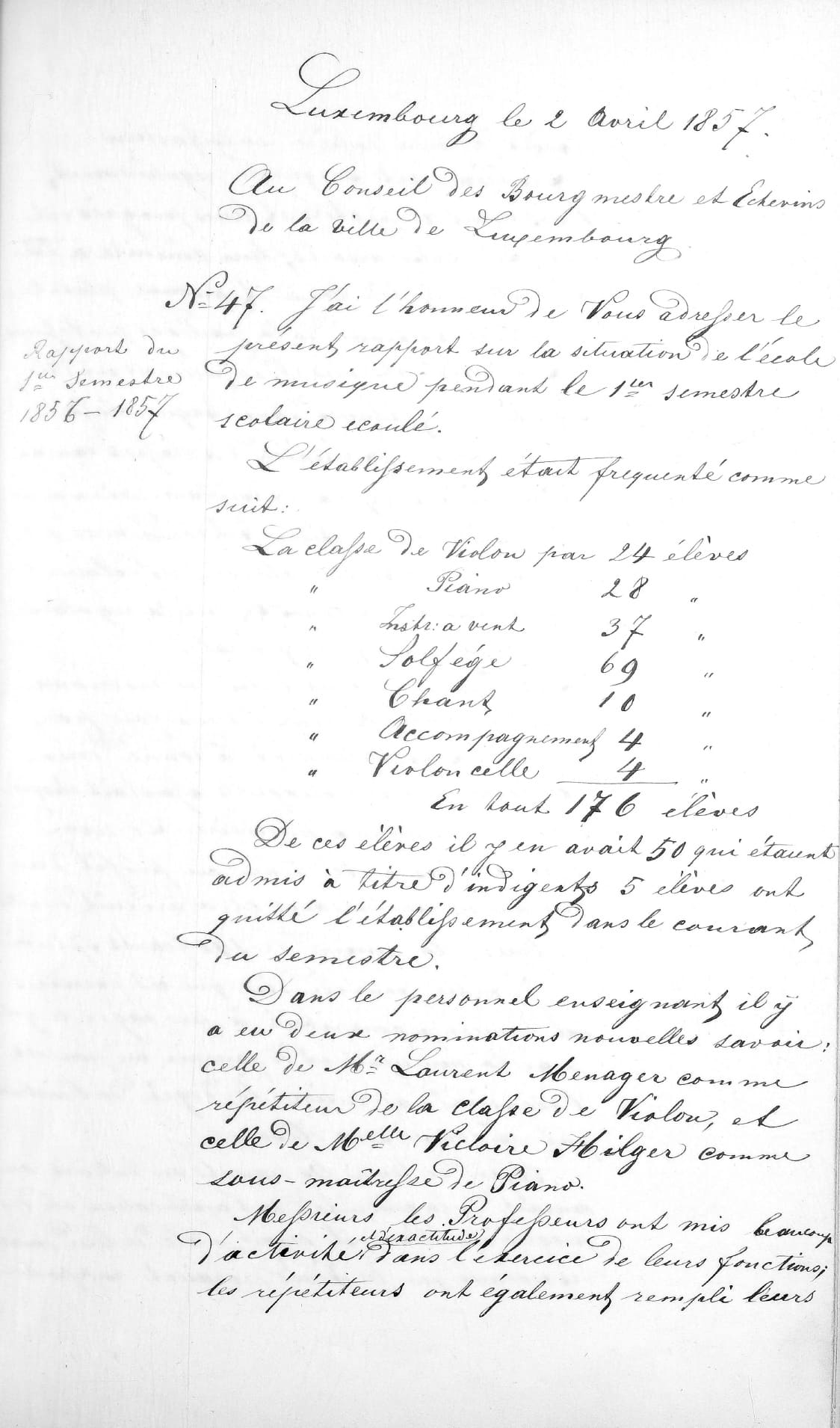
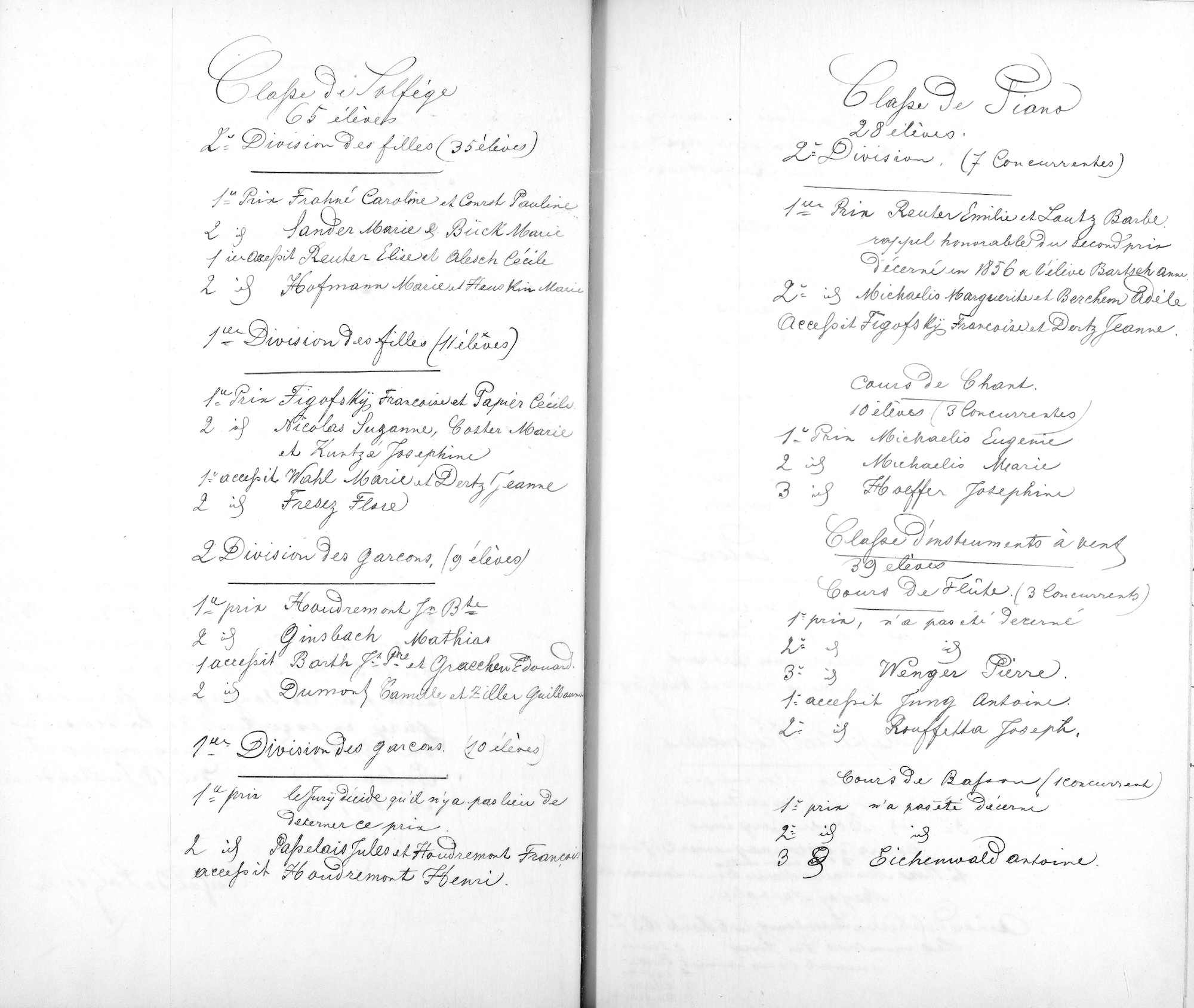
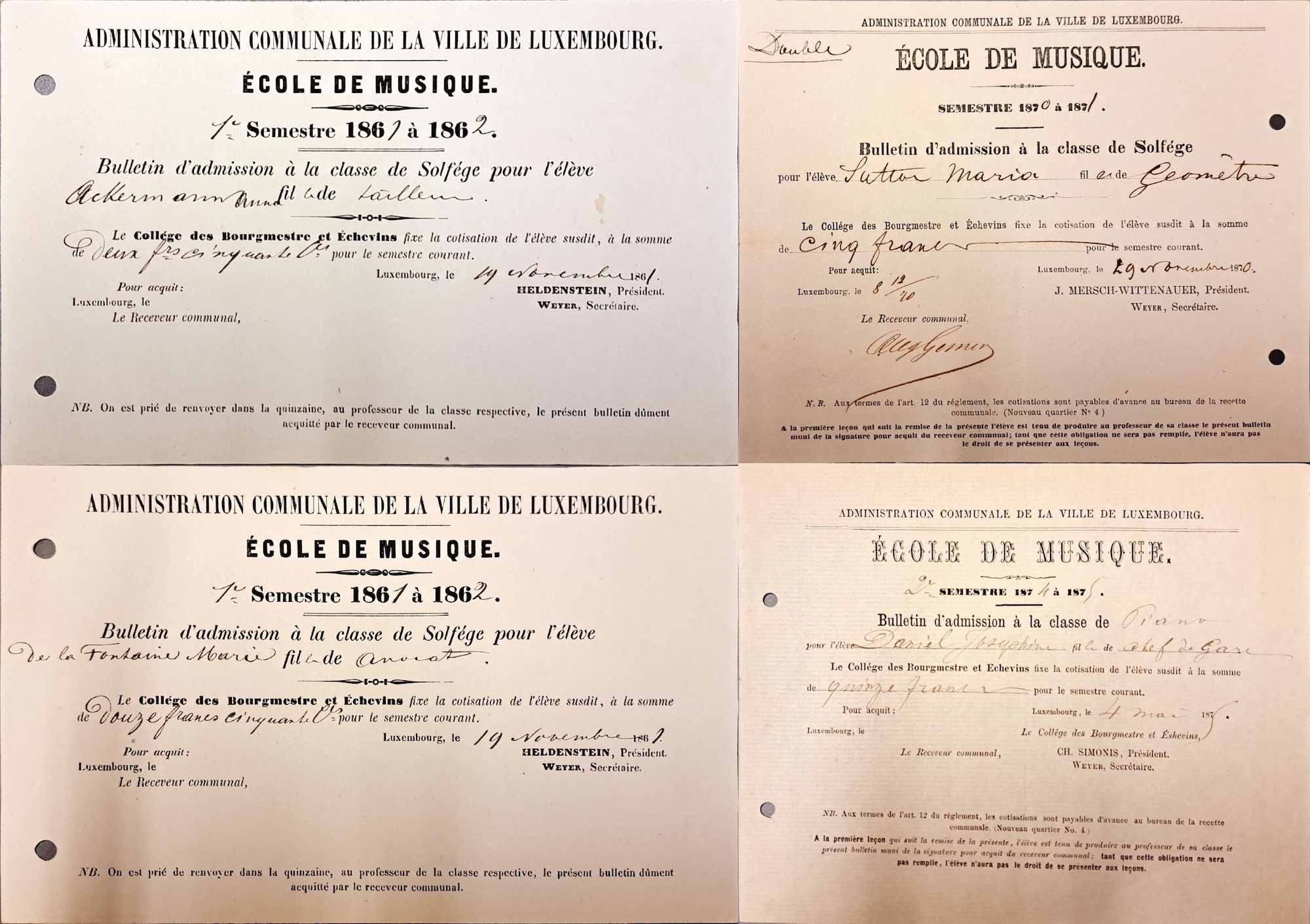
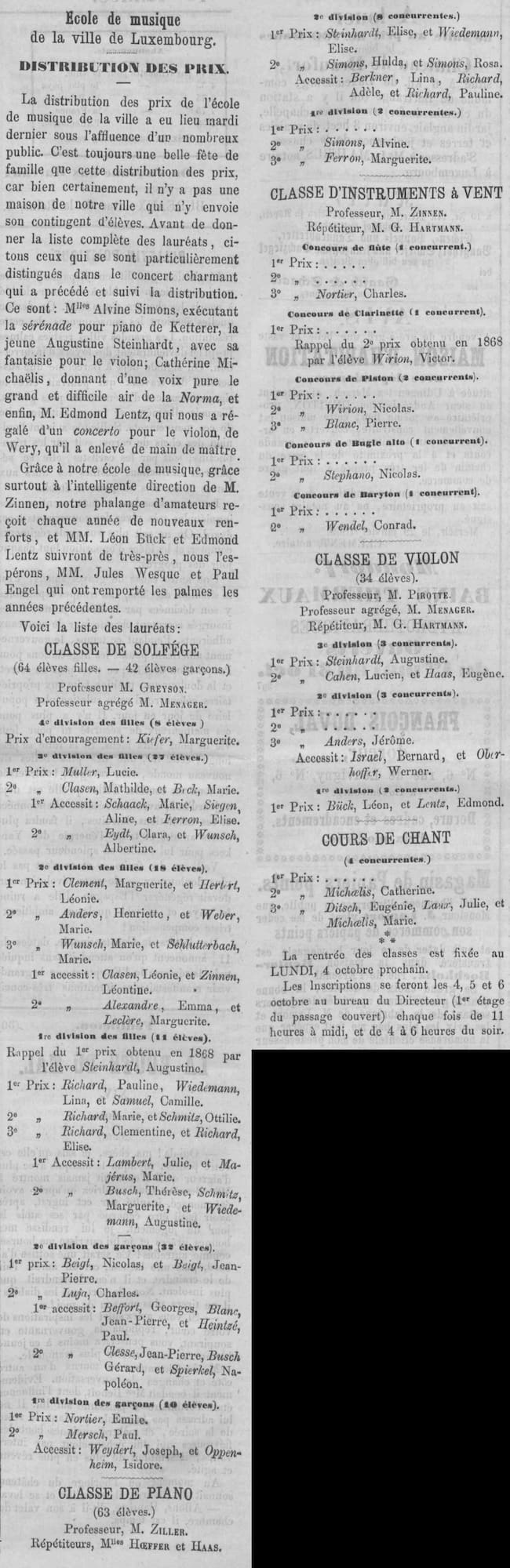
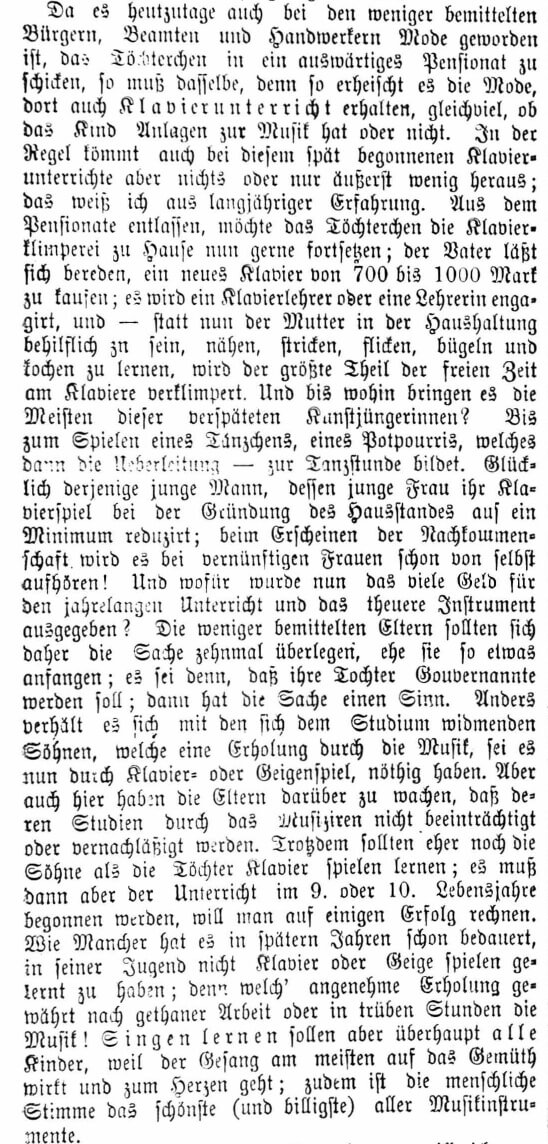
Formal music education for women was a controversial topic in the 1820s. Following the French example, Henri-Joseph Cornély (1786–1866) founded the first private music school in Luxembourg in 1823. Cornély became the first director of the Municipal Music School, founded in 1845, which was likewise shaped by the French model. With the establishment of music schools and conservatories, women too gained access to affordable music education. Already in its first year of existence, the Municipal Music School had more girls than boys attend the solfège classes. Since piano instruction was part of middle and upper-class female education, there was a strong demand for female piano teachers – a profession that offered women from poorer backgrounds an opportunity to earn their own living.
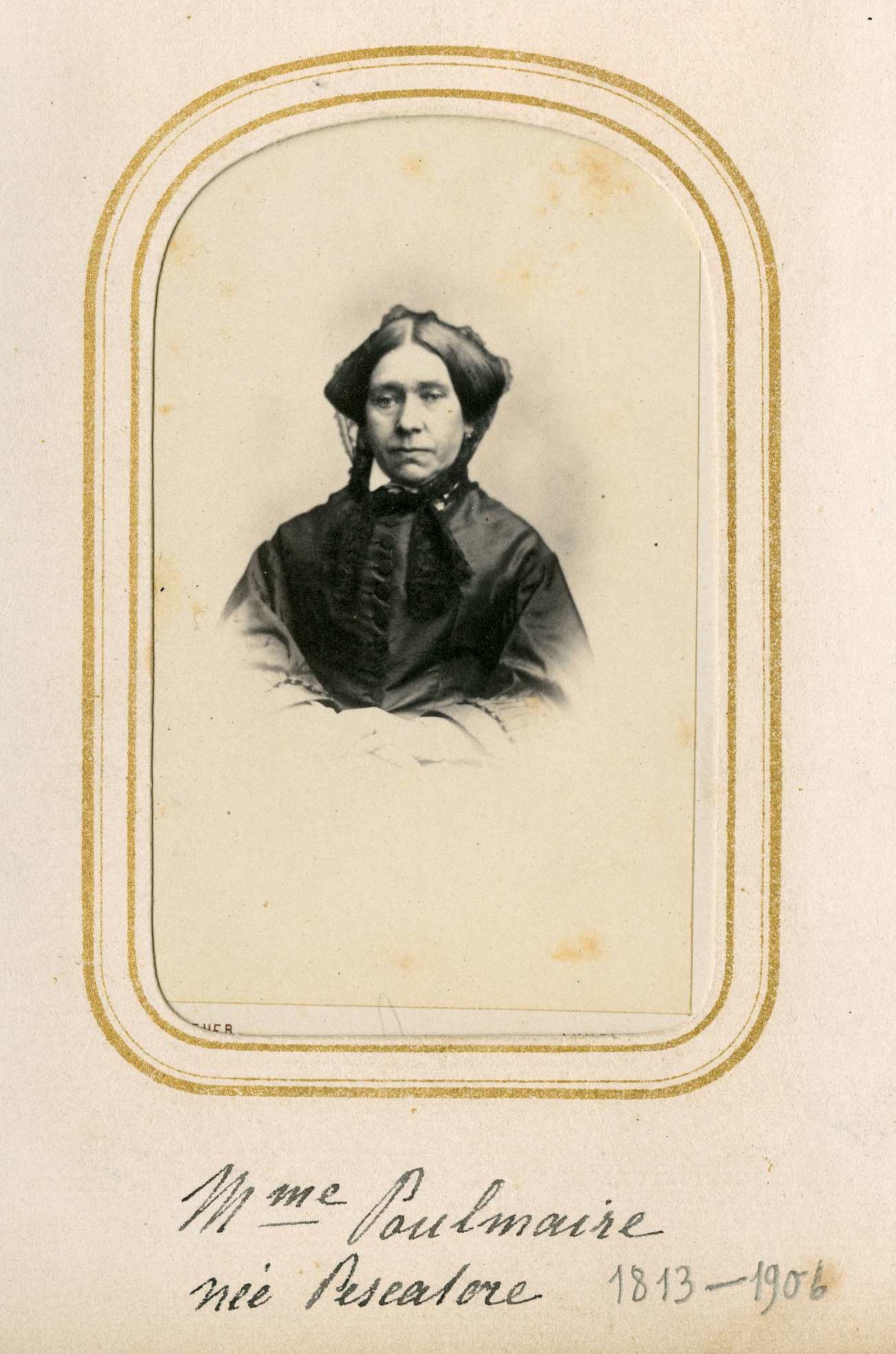
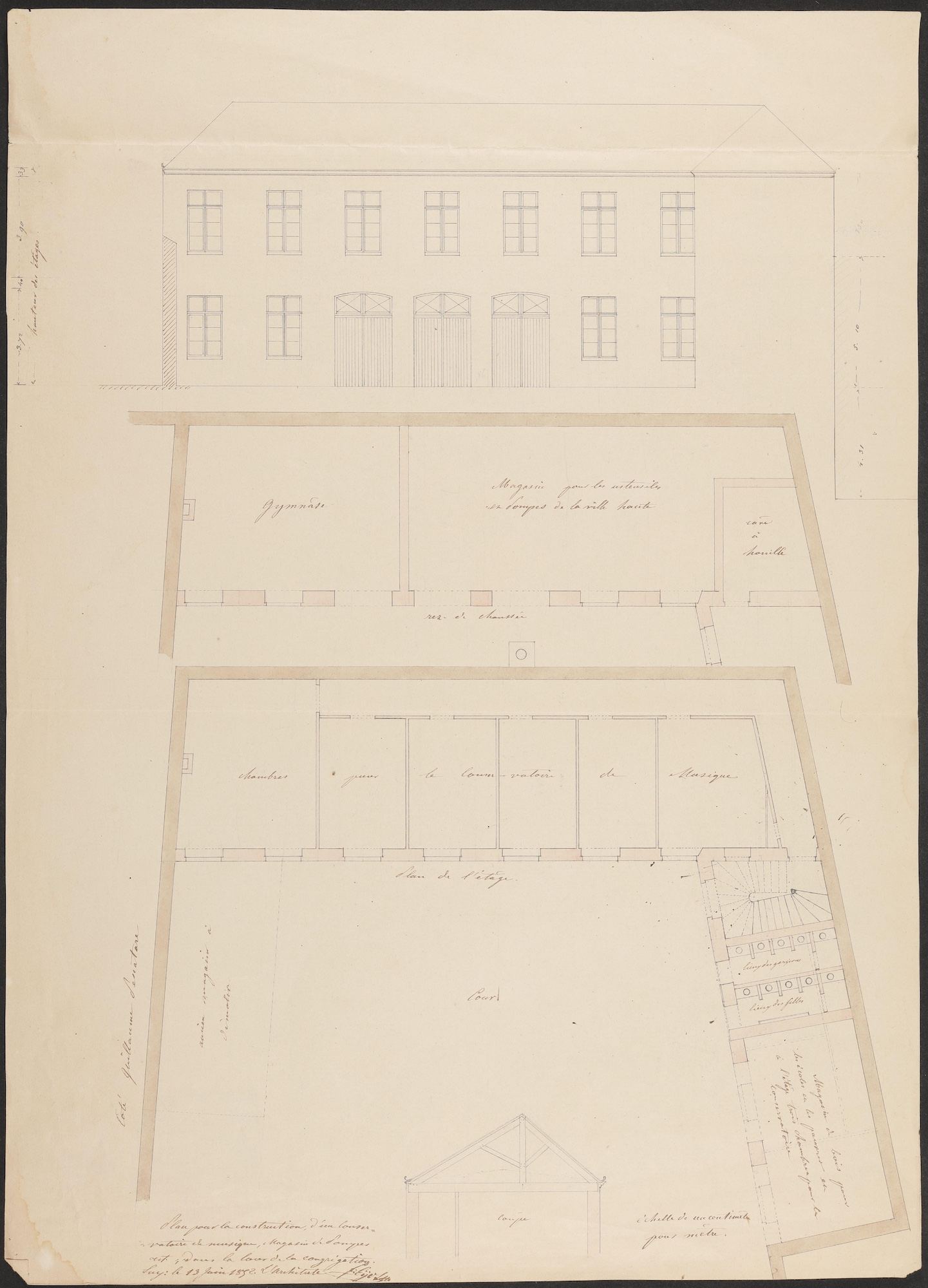
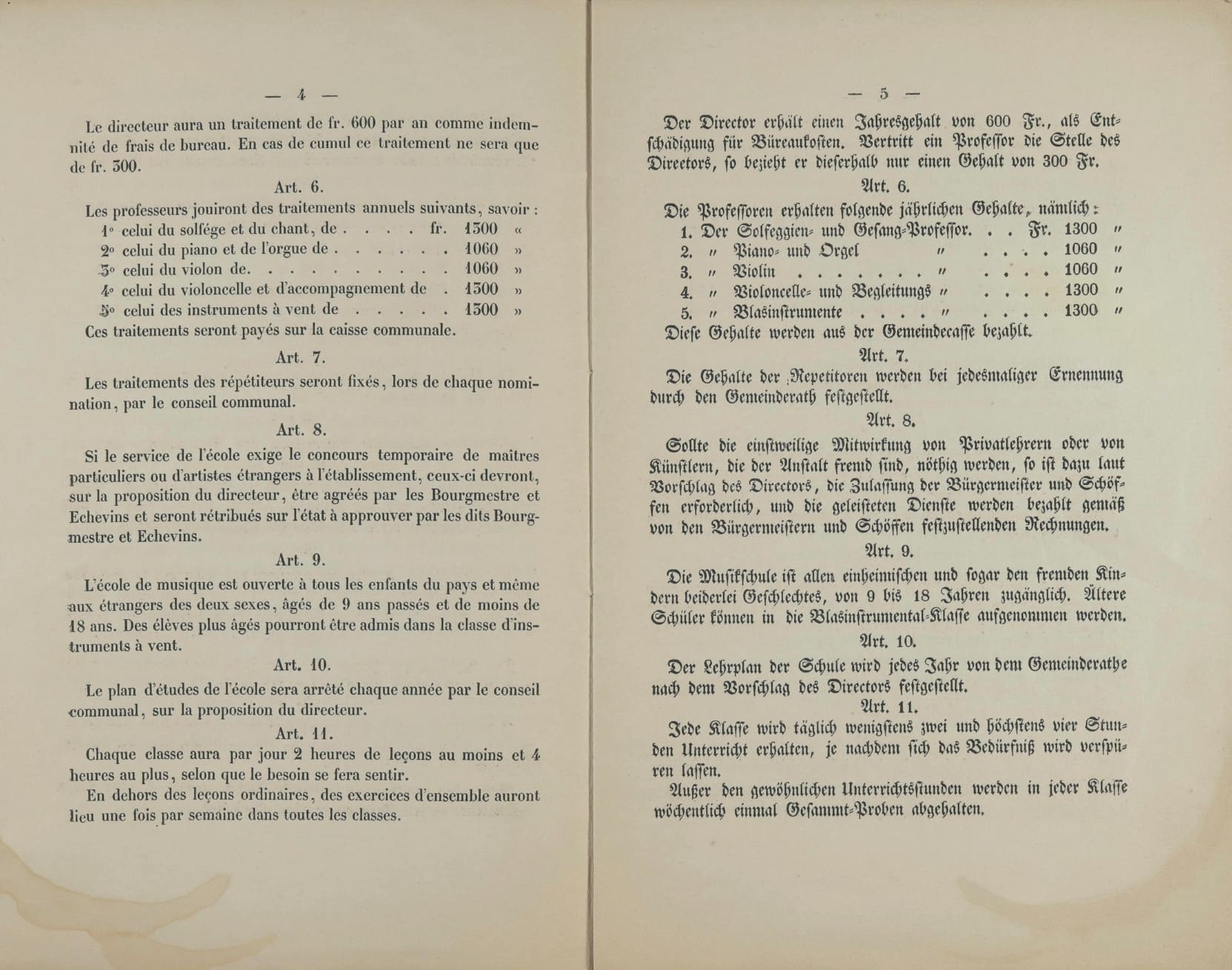
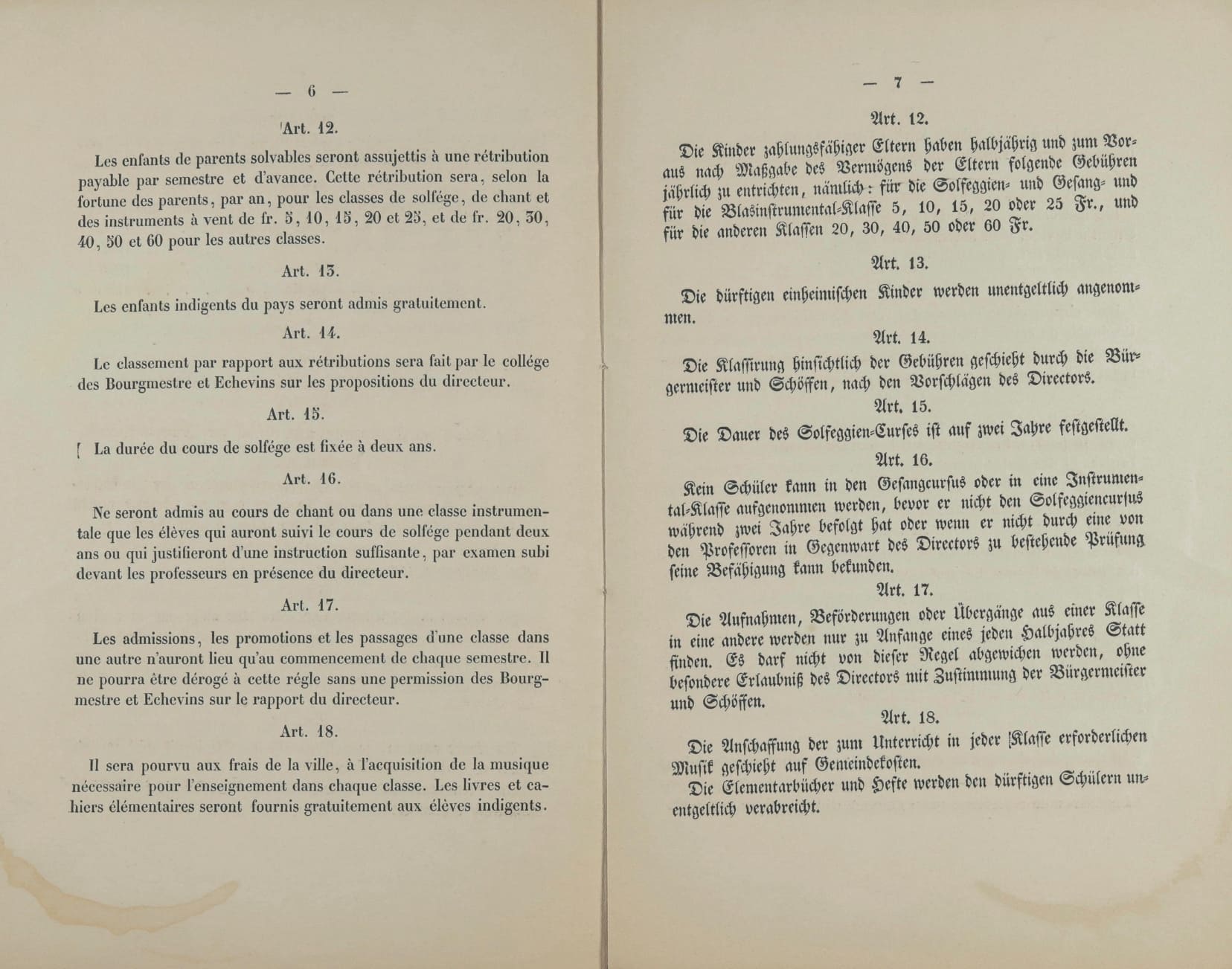
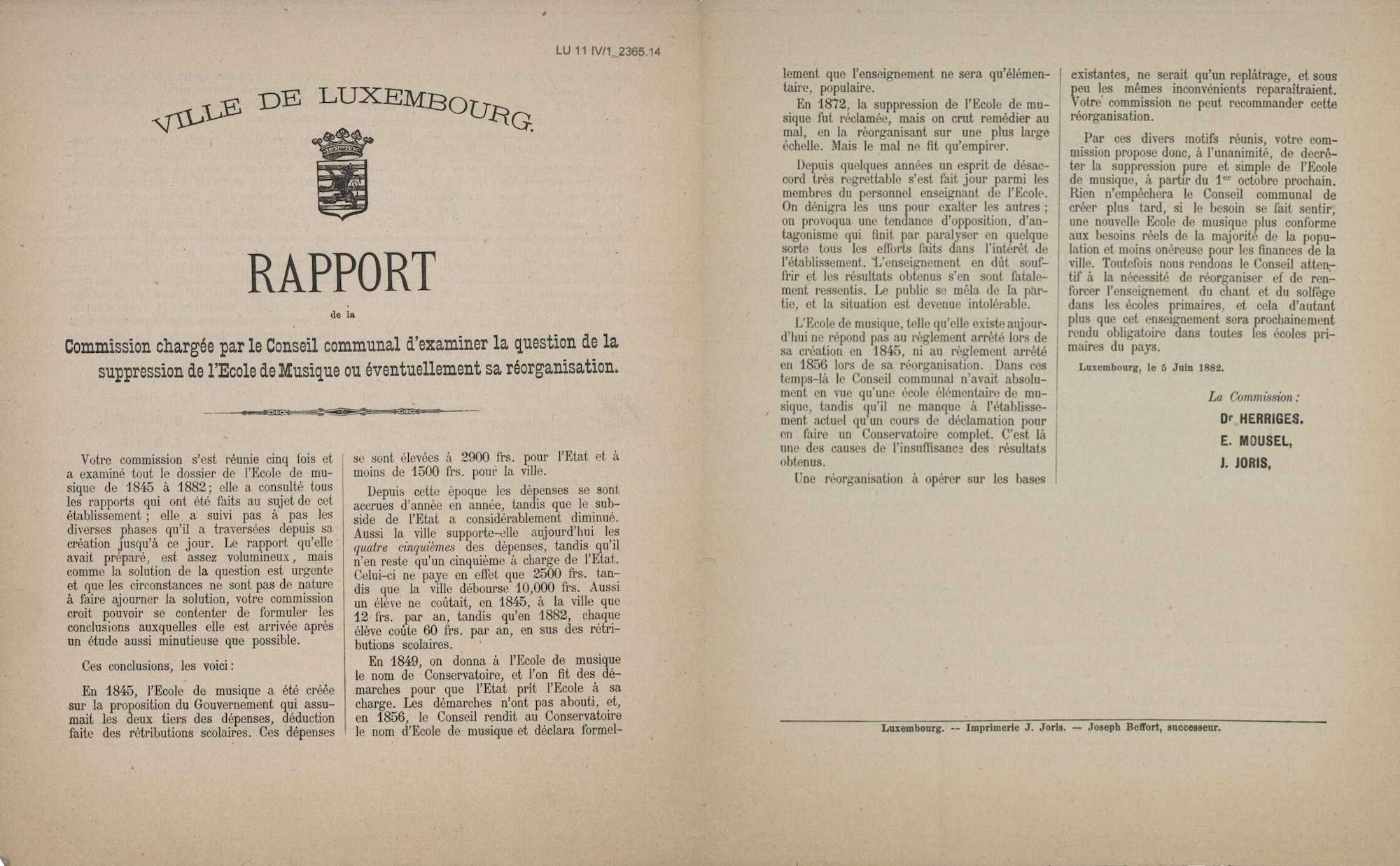
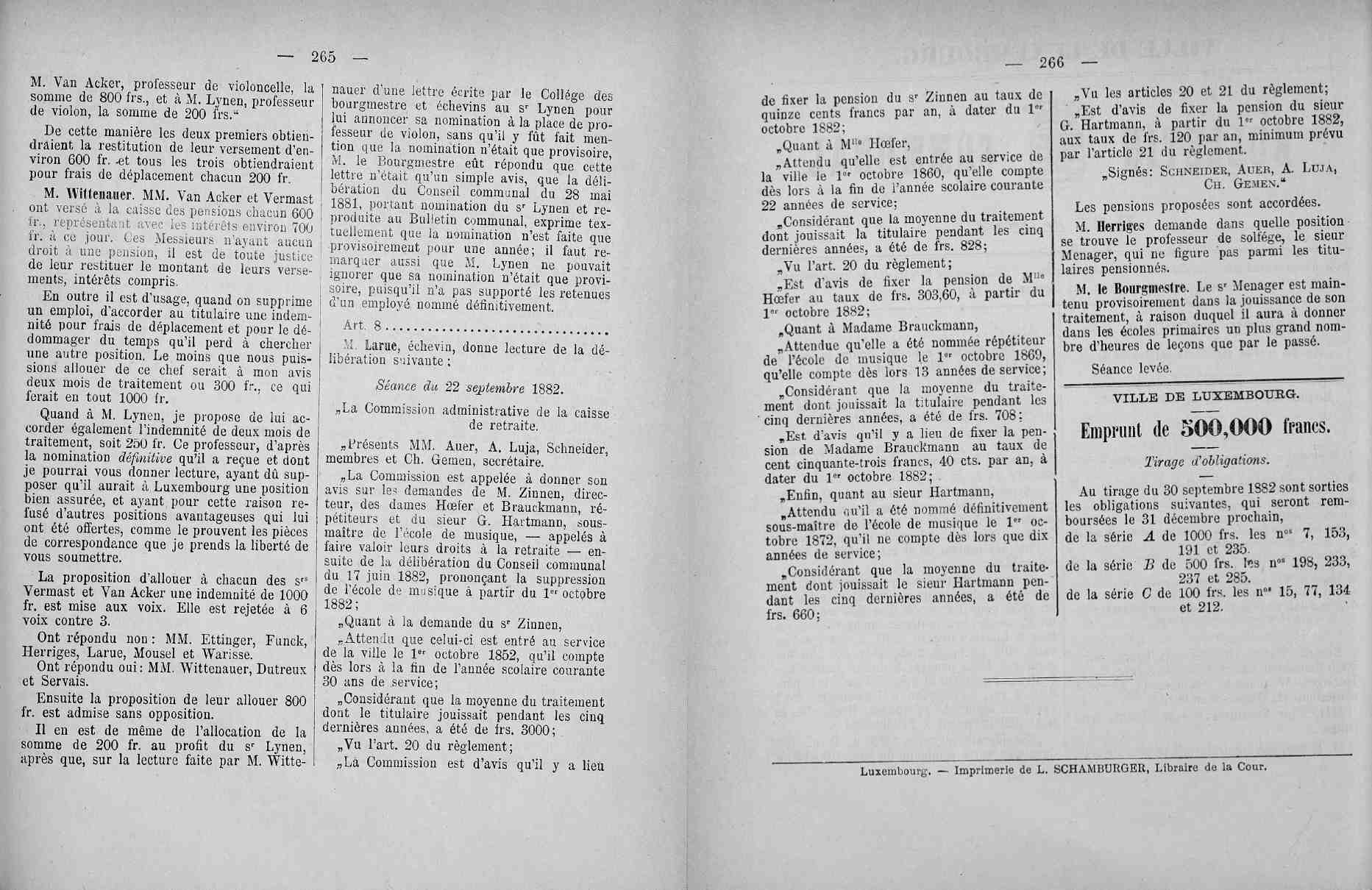
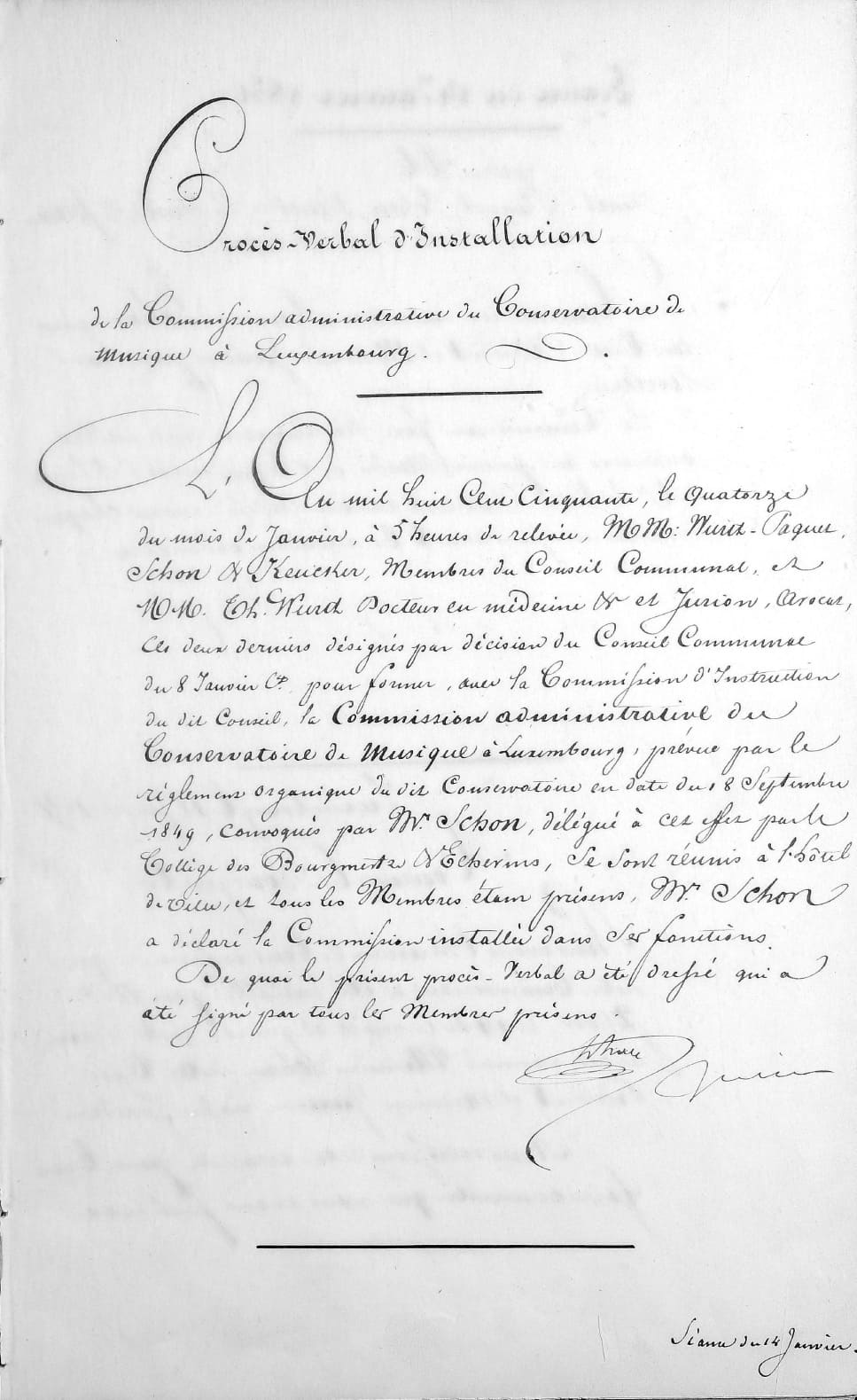
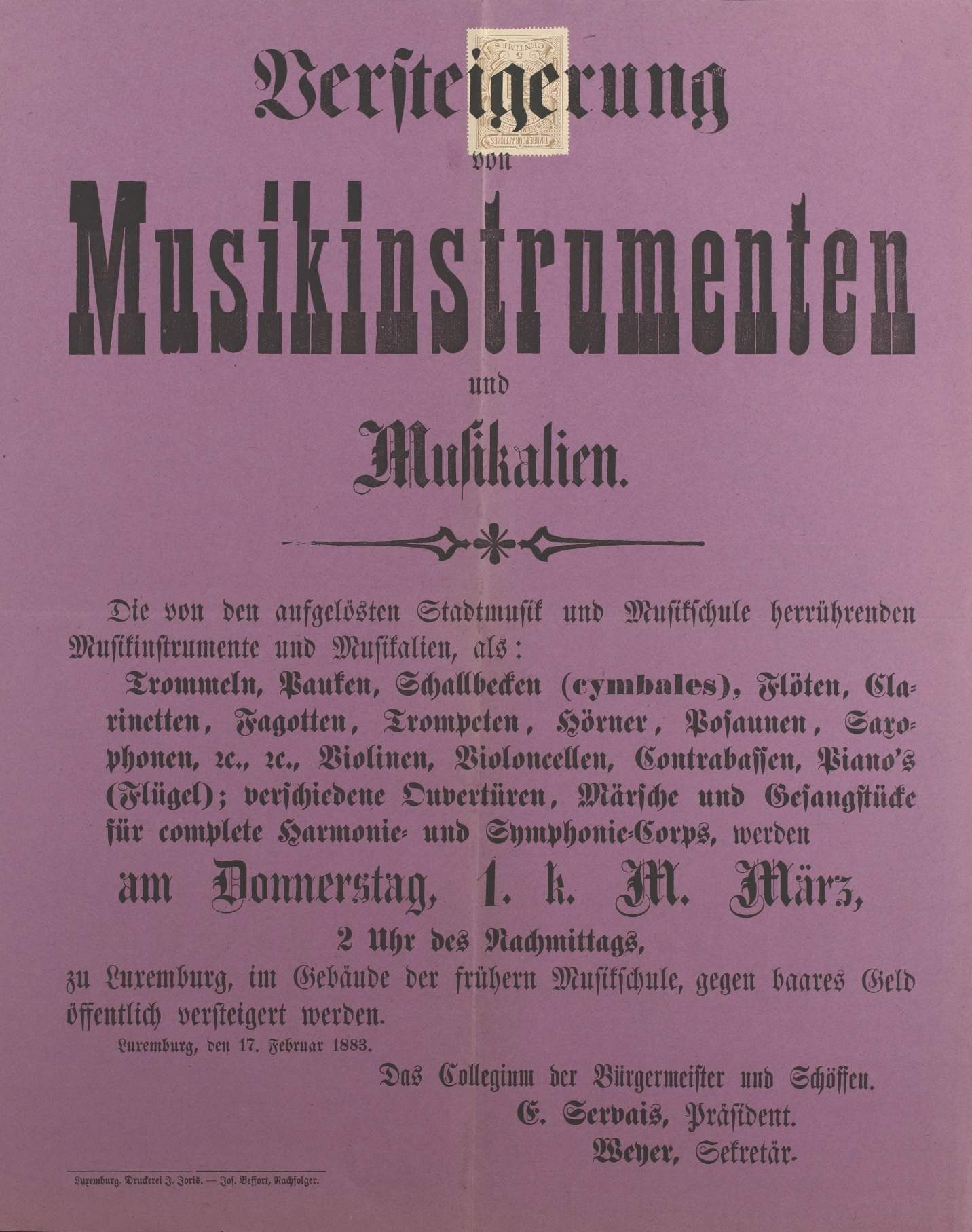
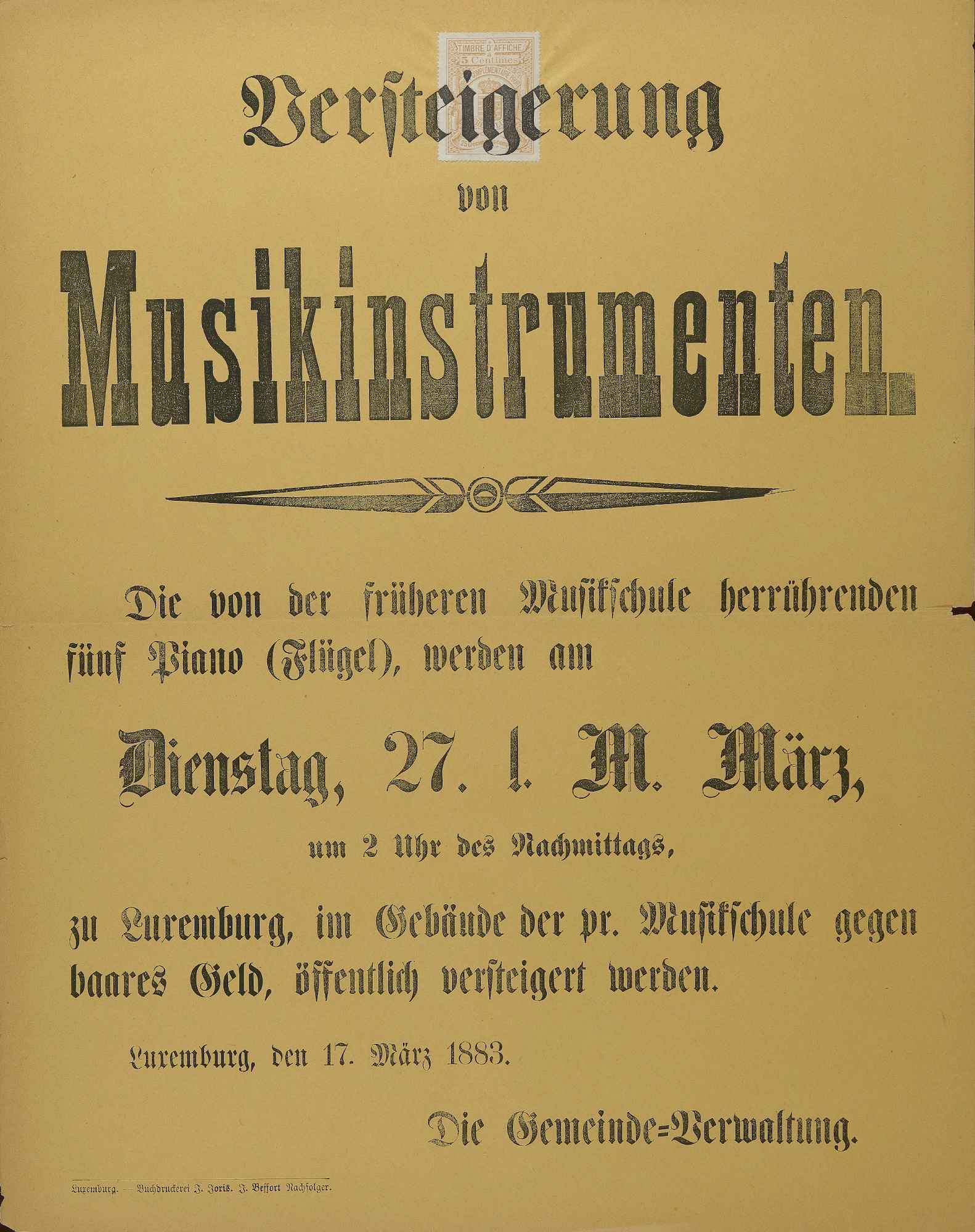
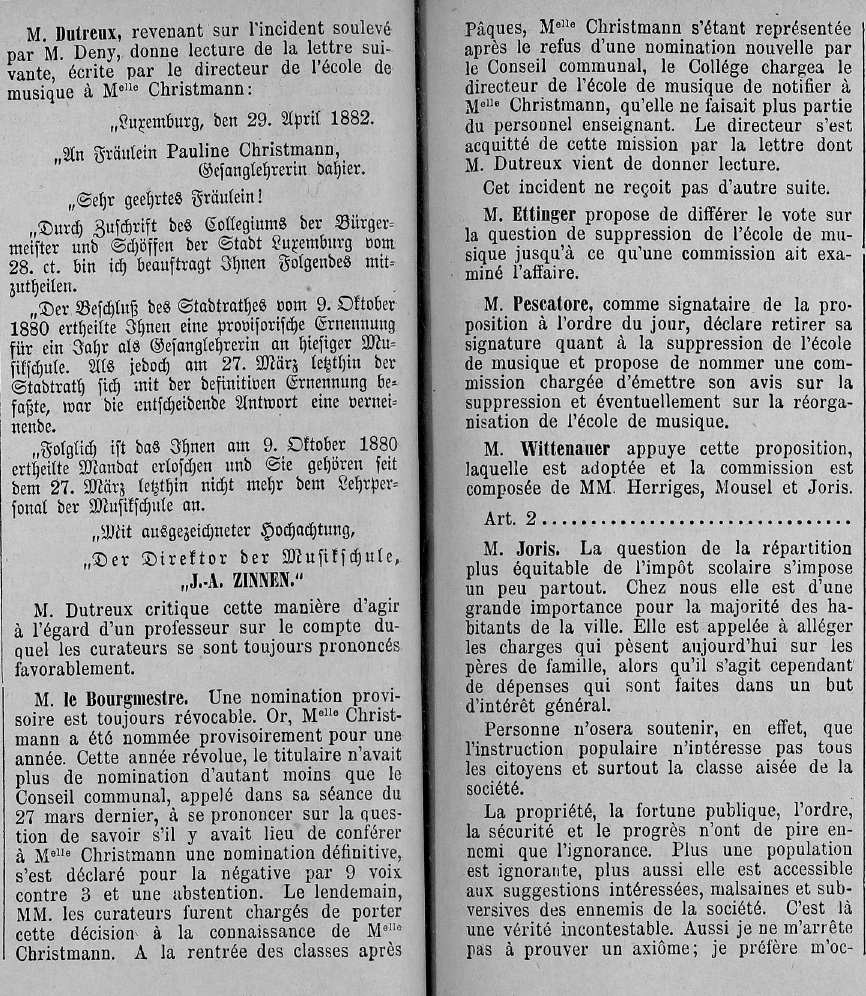
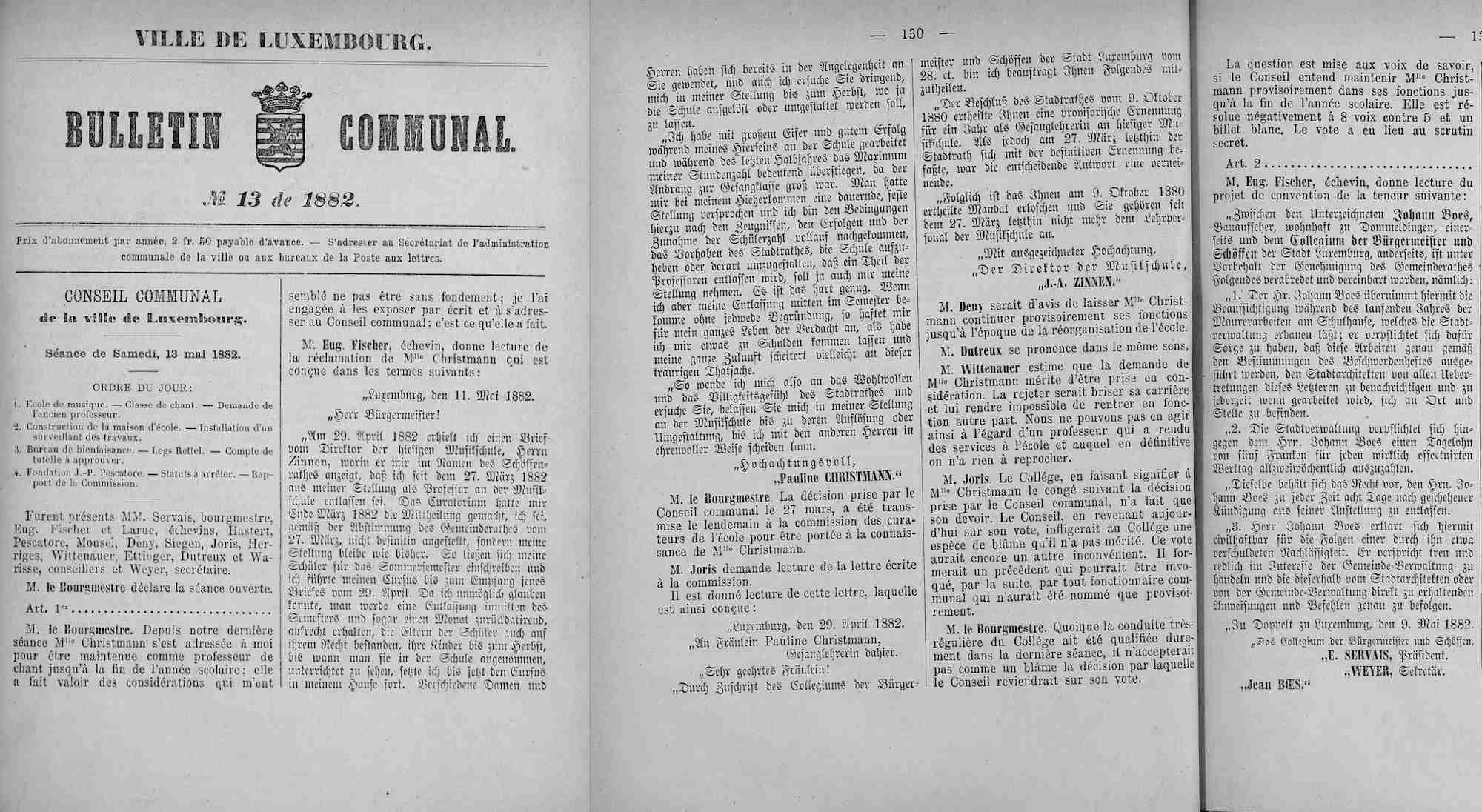
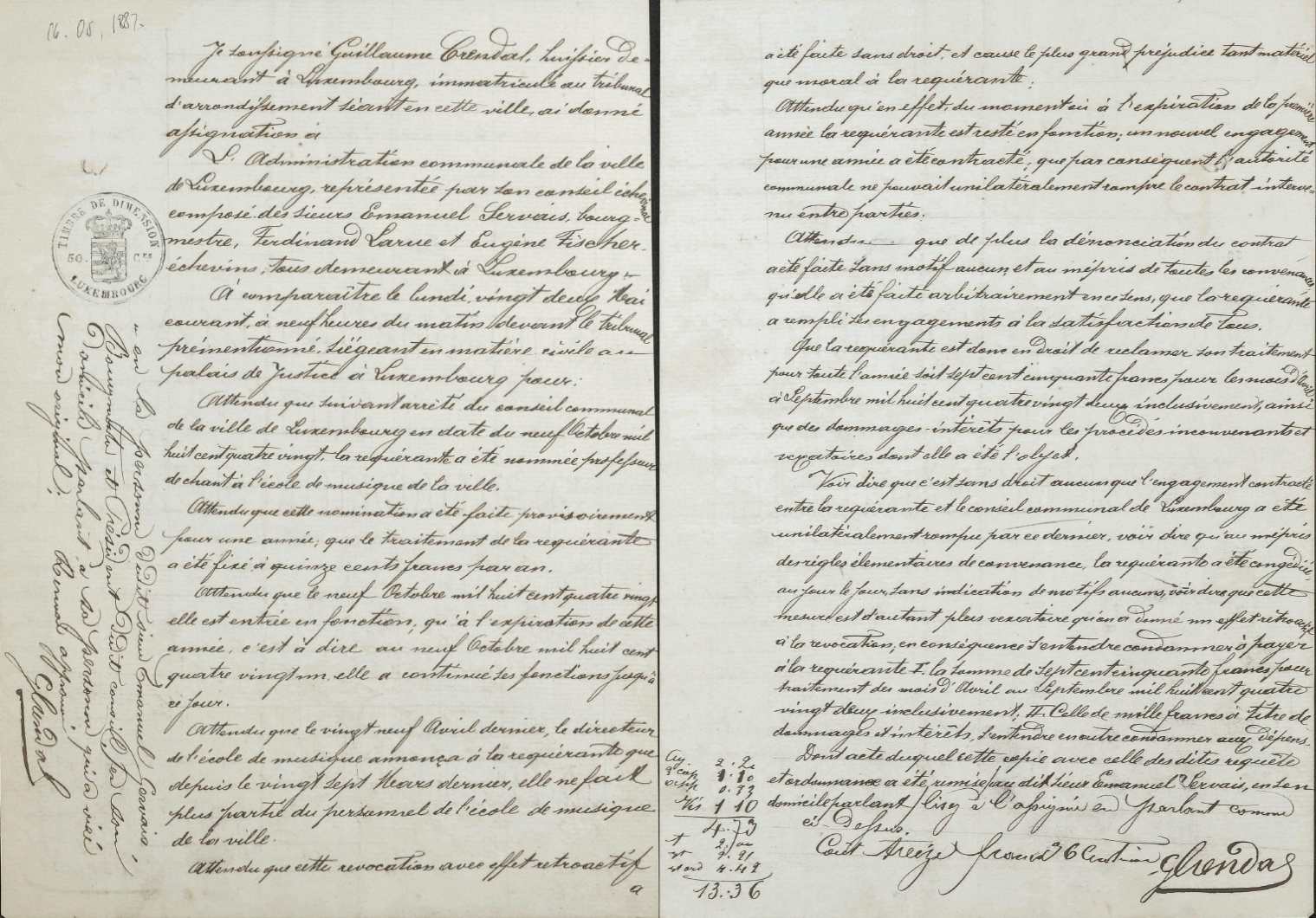
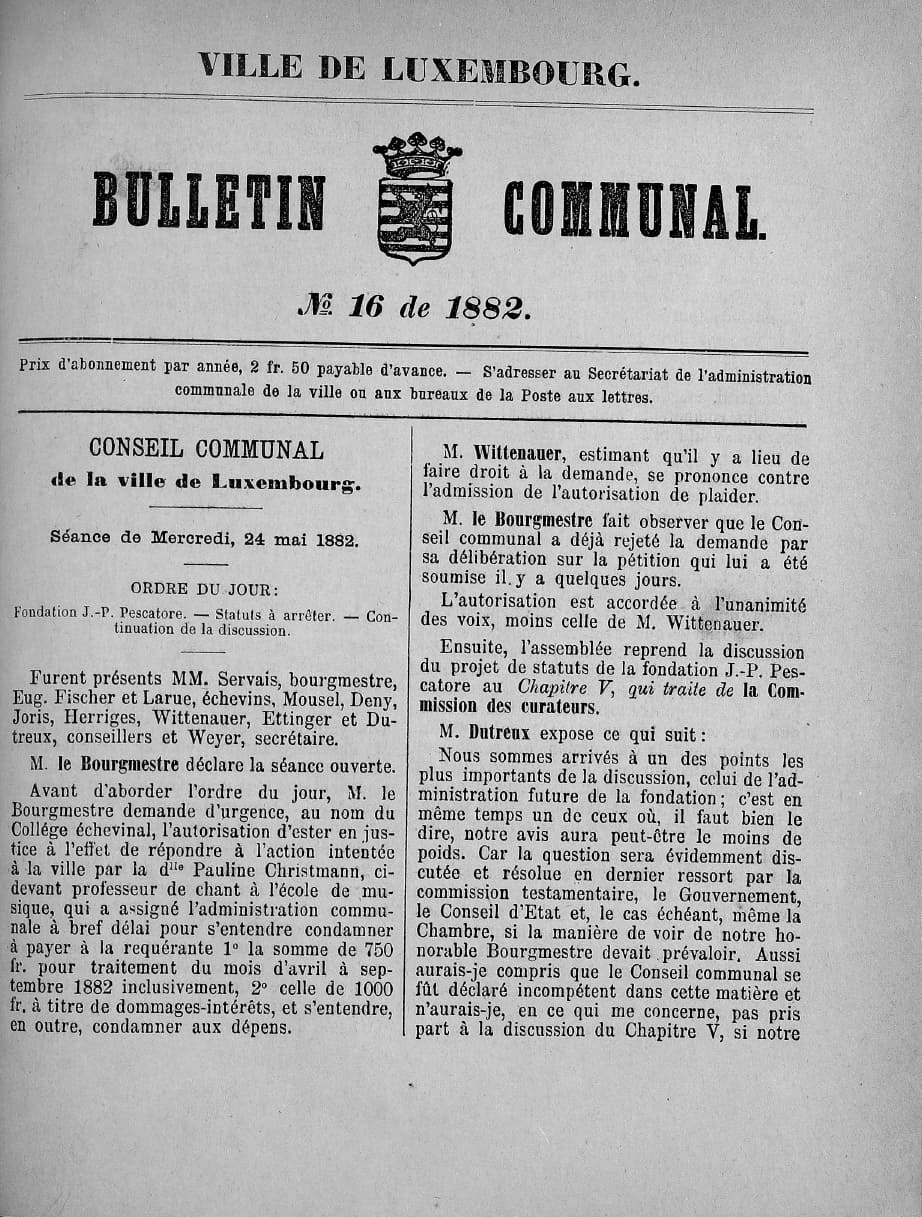
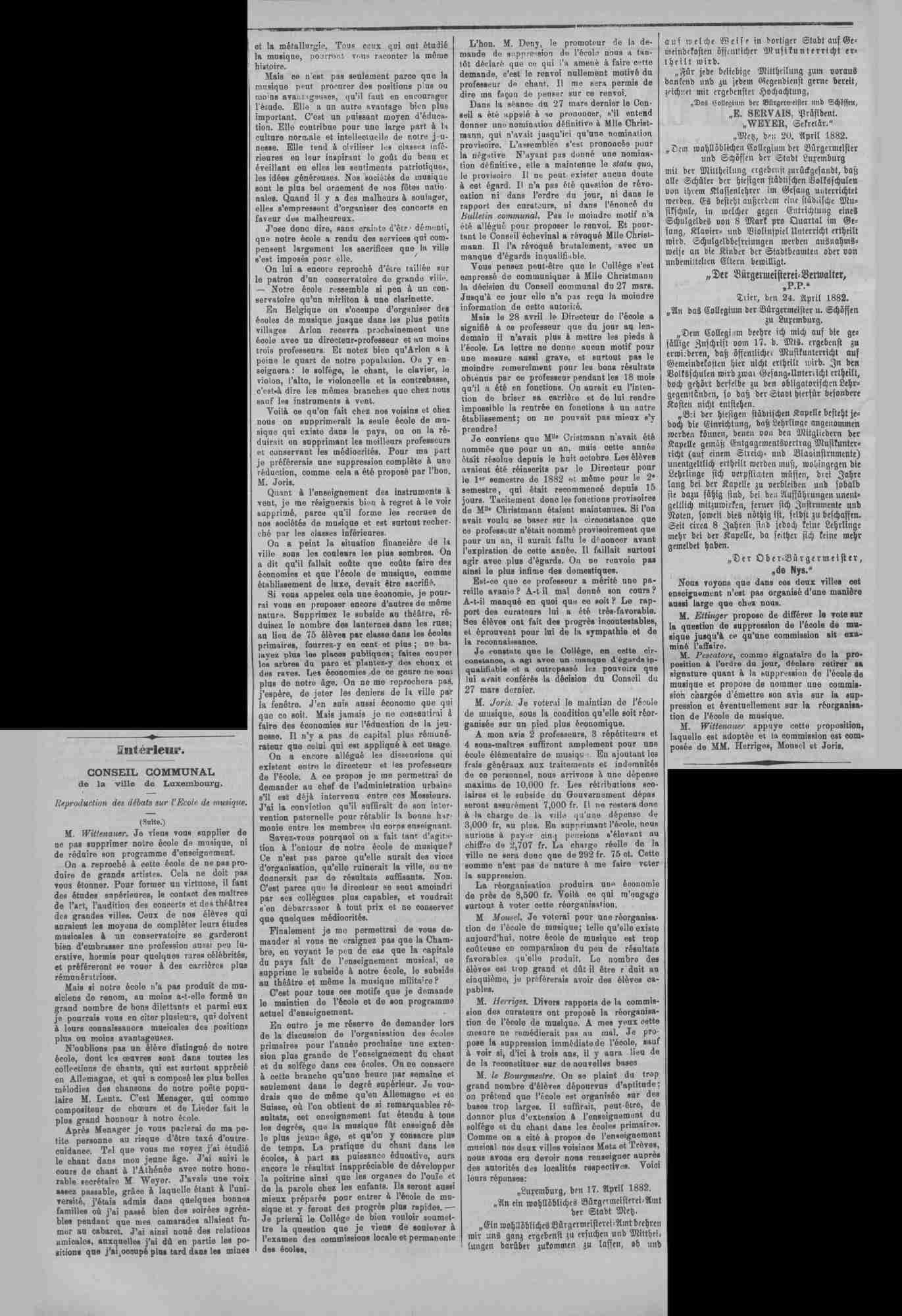
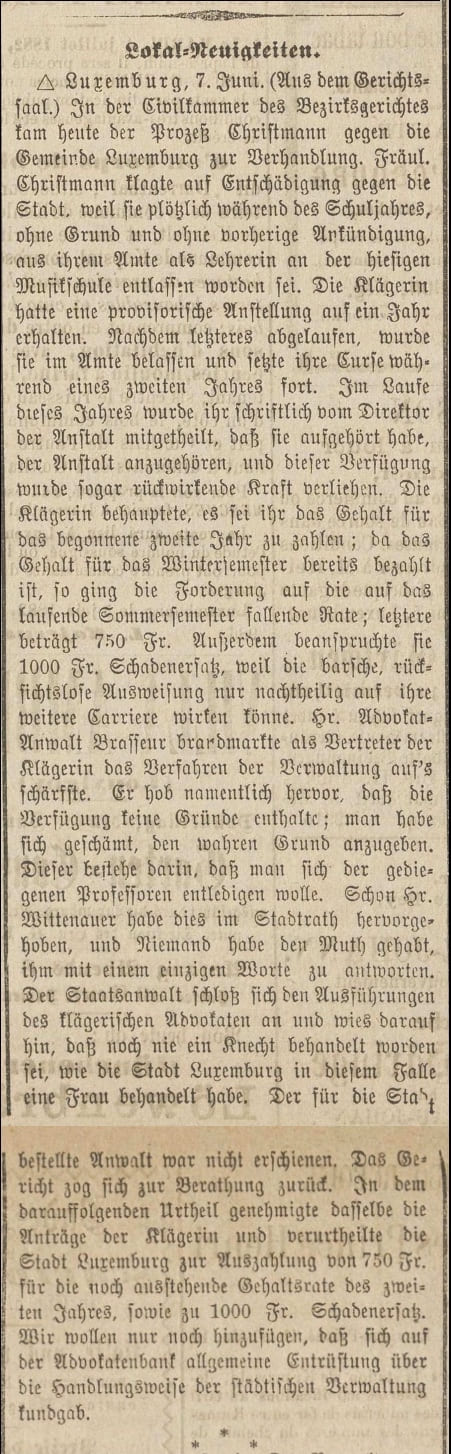
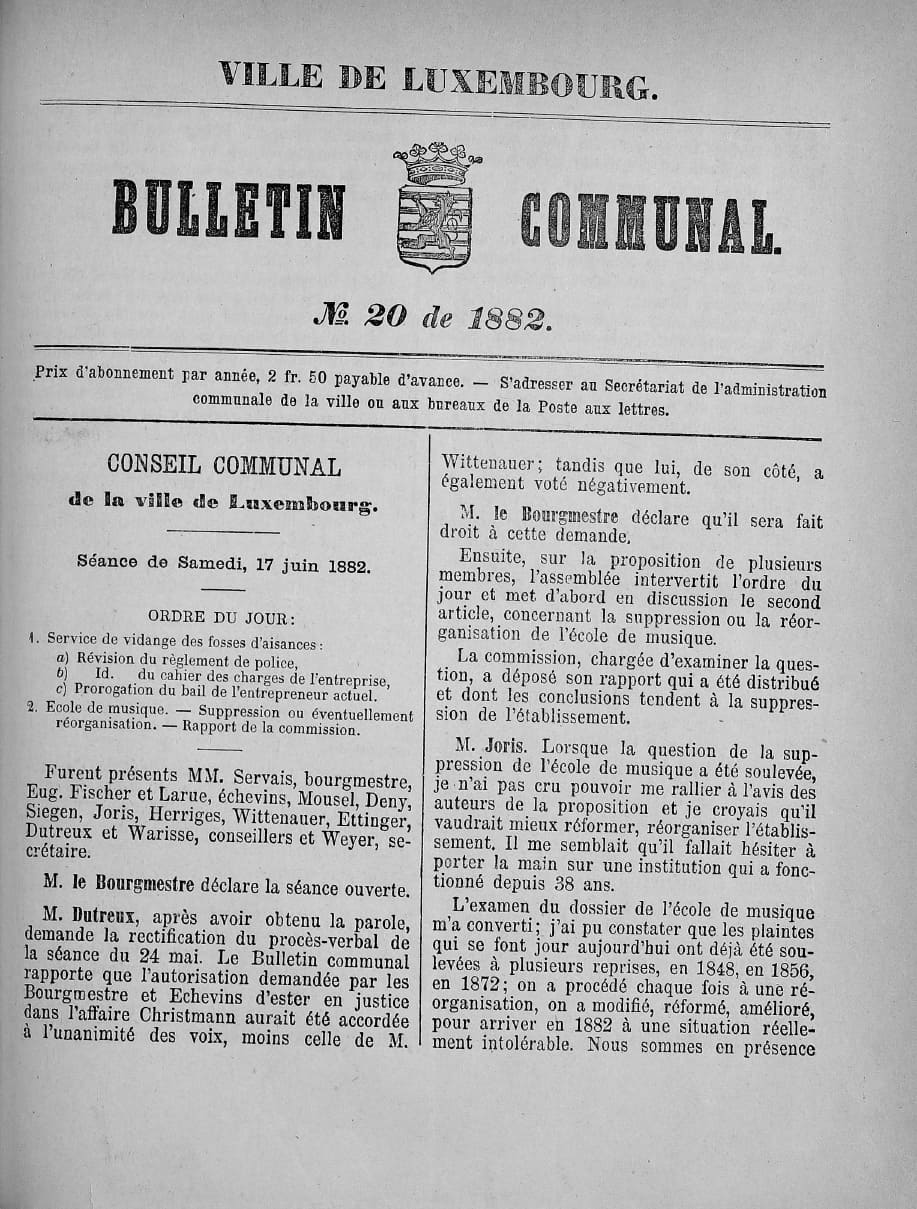
In 1849, the Municipal Music School was elevated to the rank of a “Music Conservatory”, and in 1852, a wind instrument class was added – though only for boys. For financial reasons, the institution was downgraded back to a simple “Music School” in 1856. Due to internal conflicts, public controversies and a court case (see Roster 2026 in the appendix), the municipal council ultimately decided to close the institution in 1882. It was only in 1906 that the present-day Conservatory opened its doors, thanks to a foundation by Eugénie Pescatore-Dutreux.
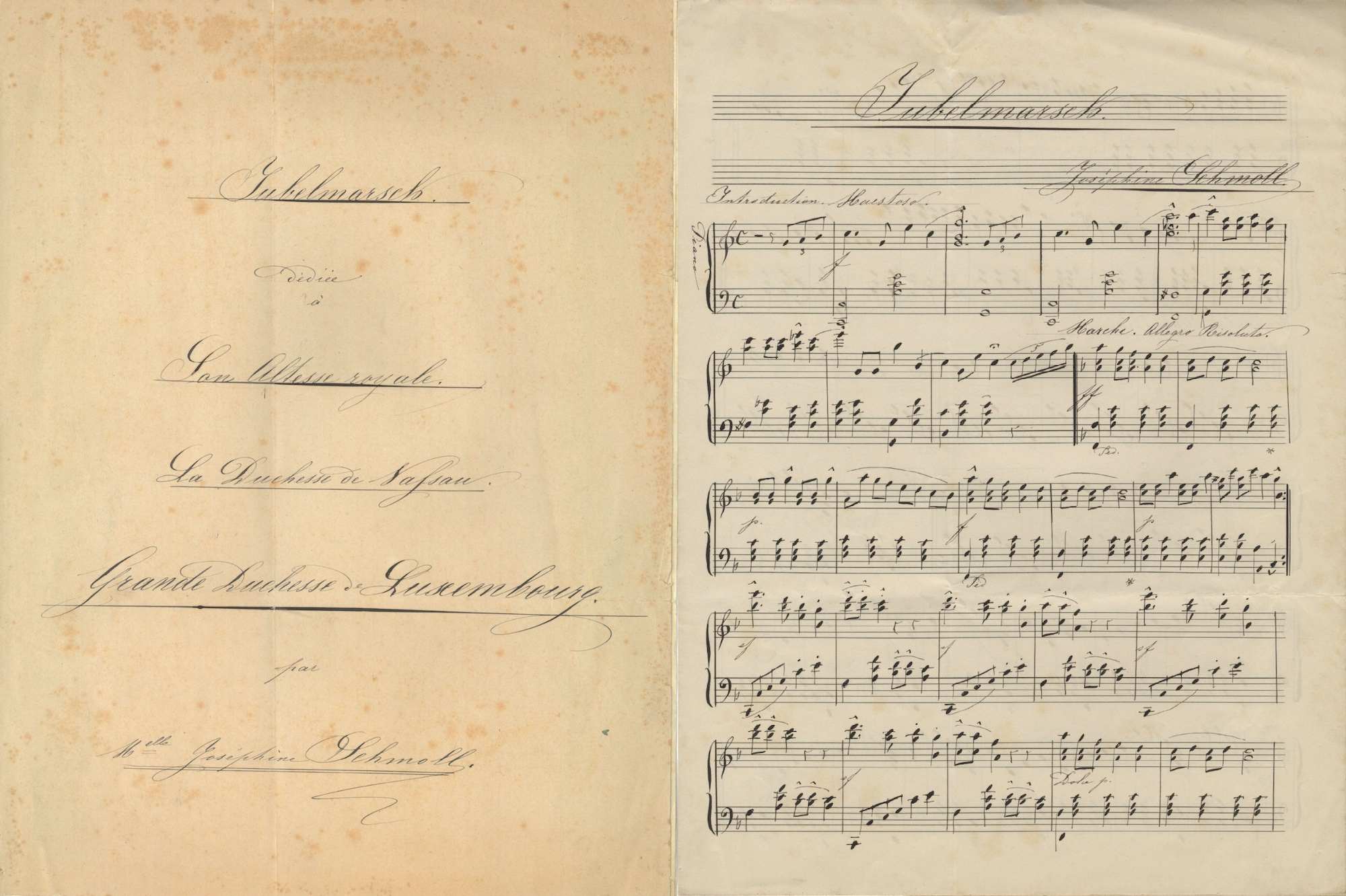
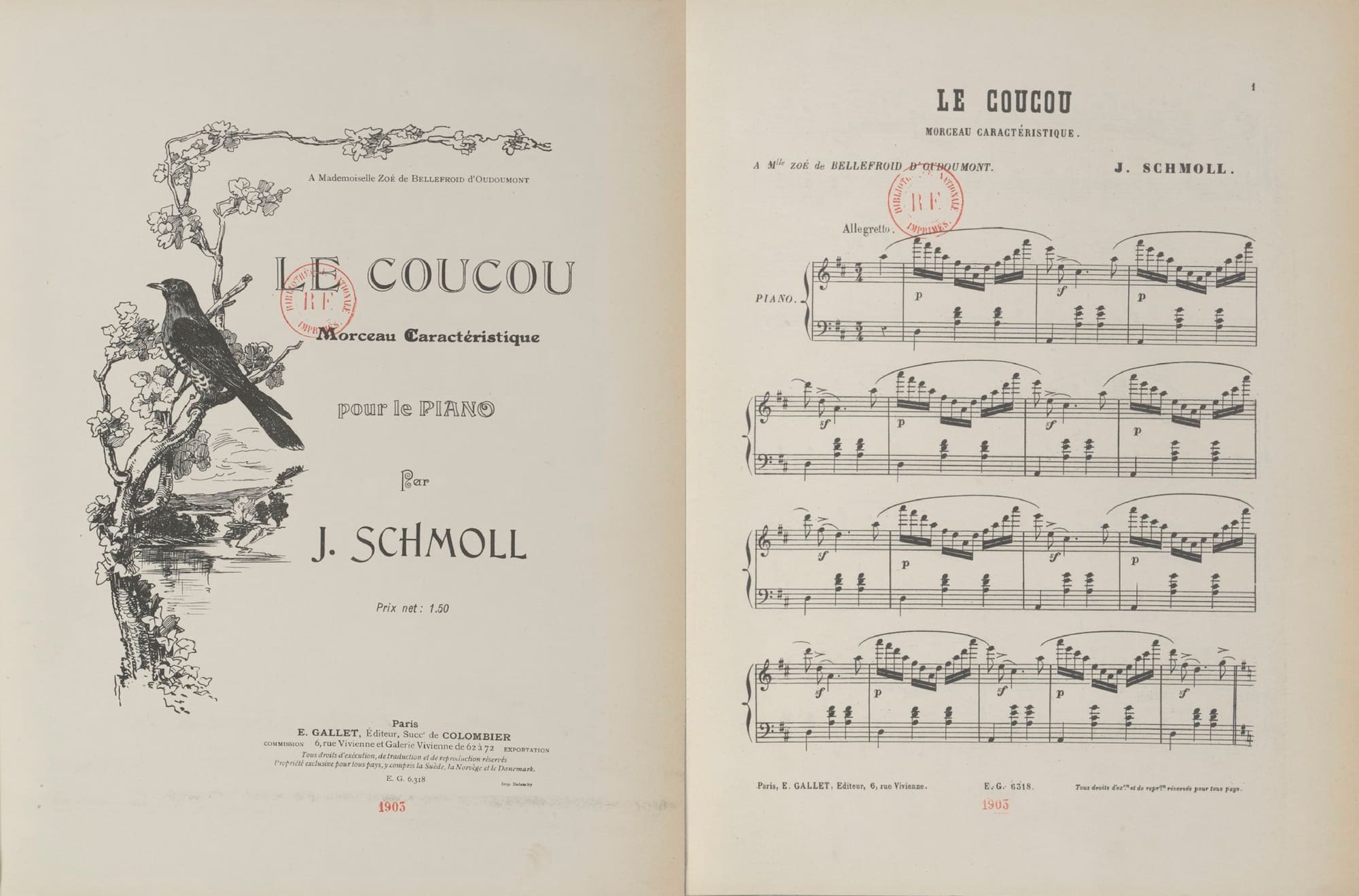
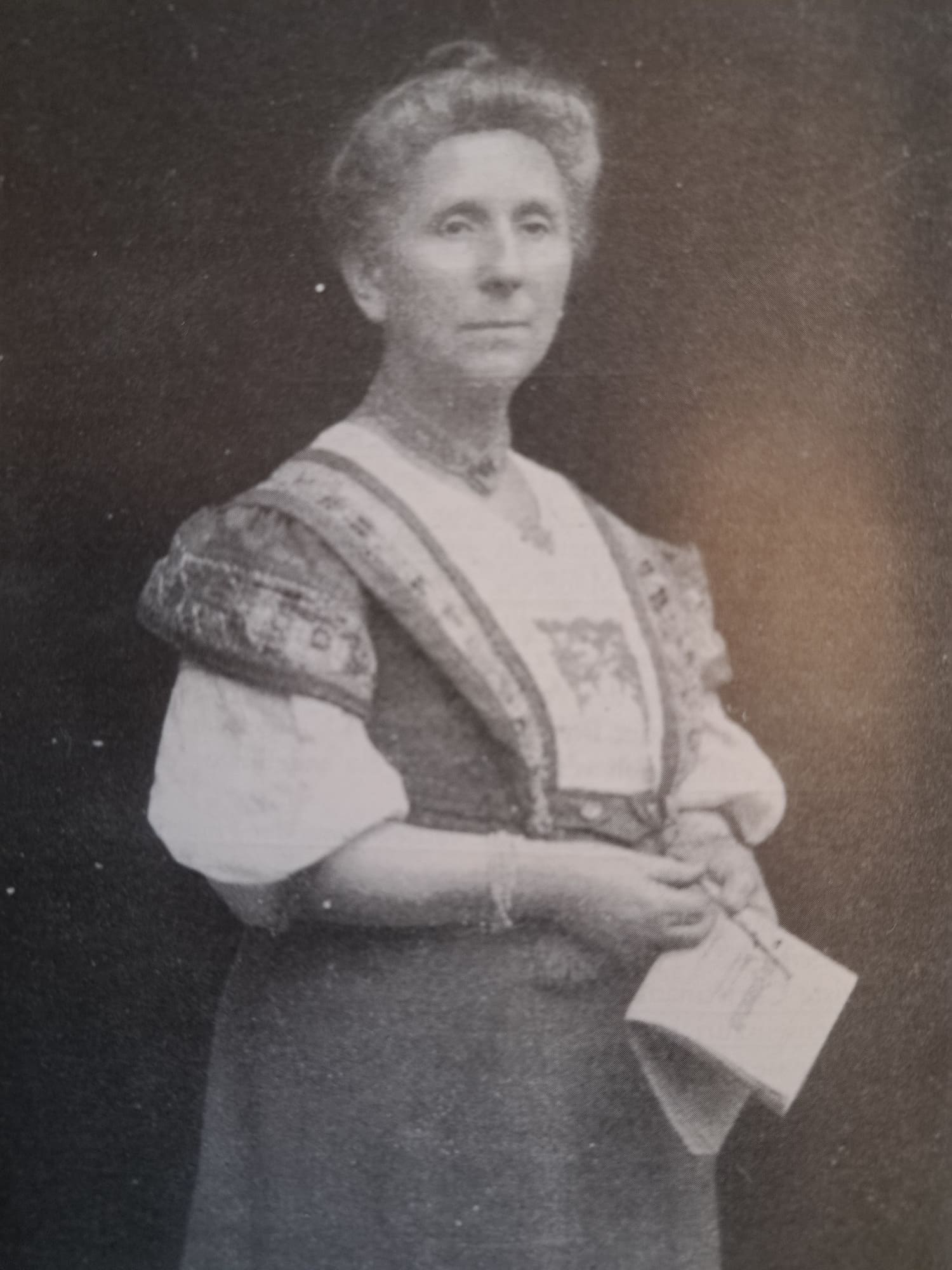
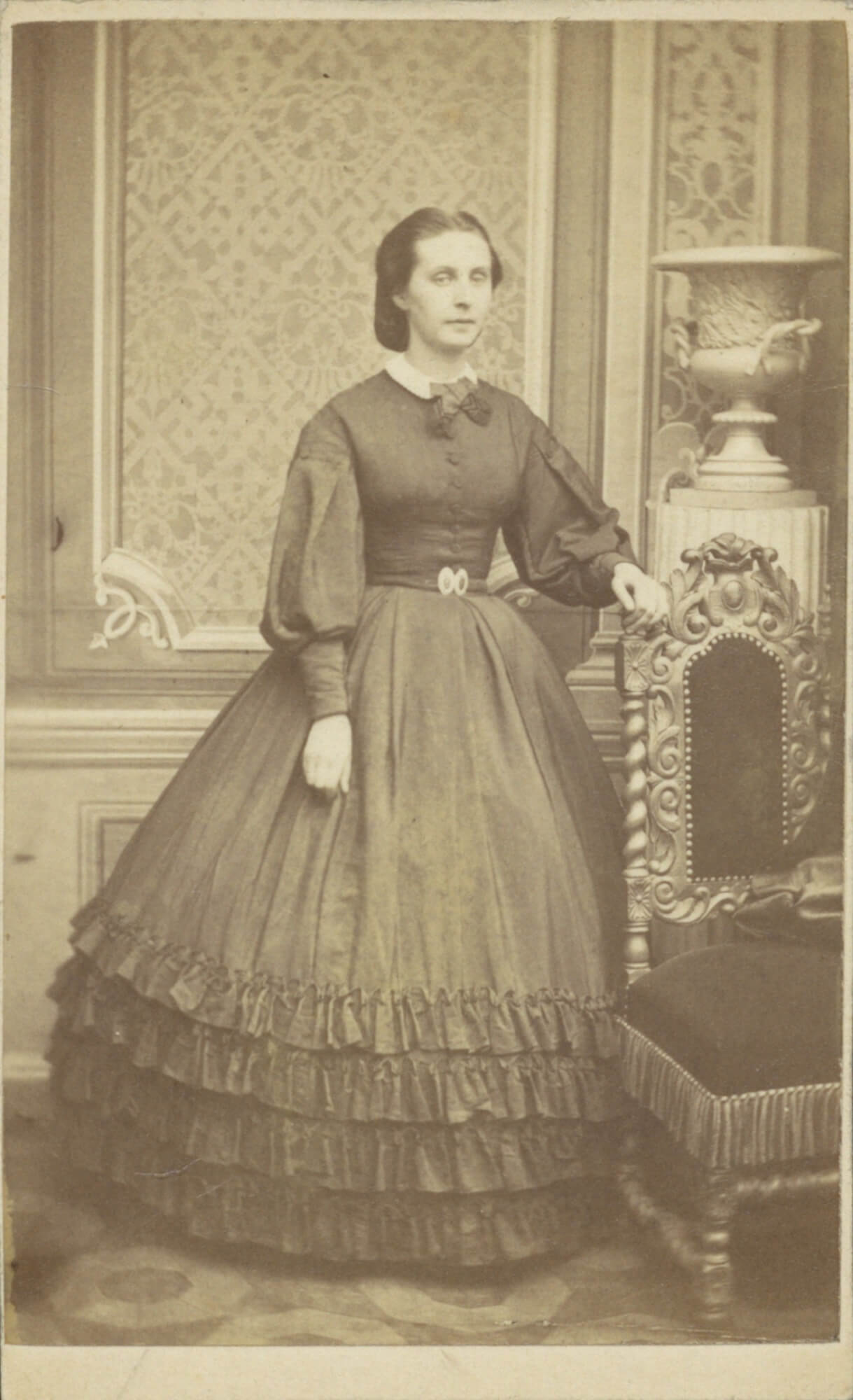
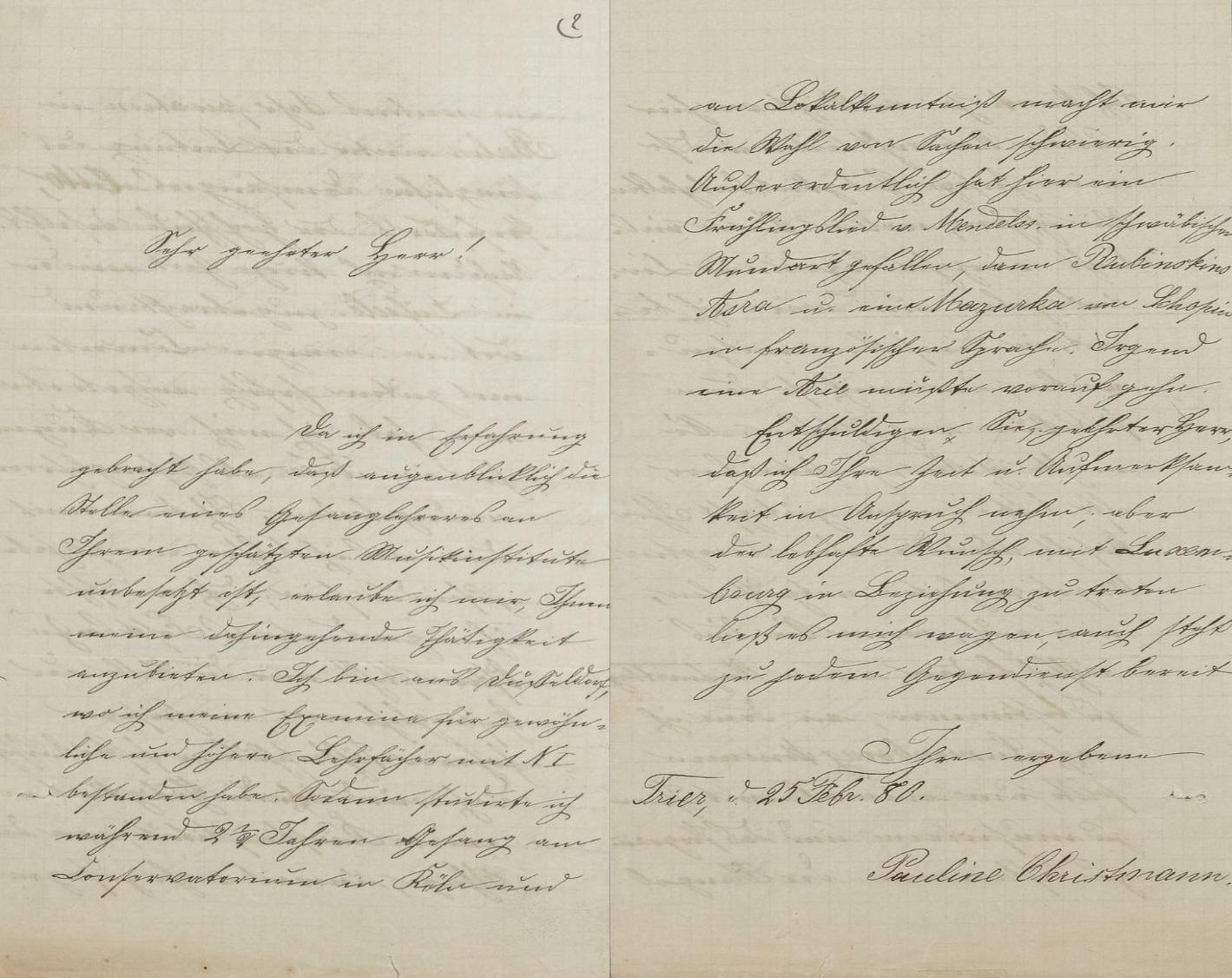
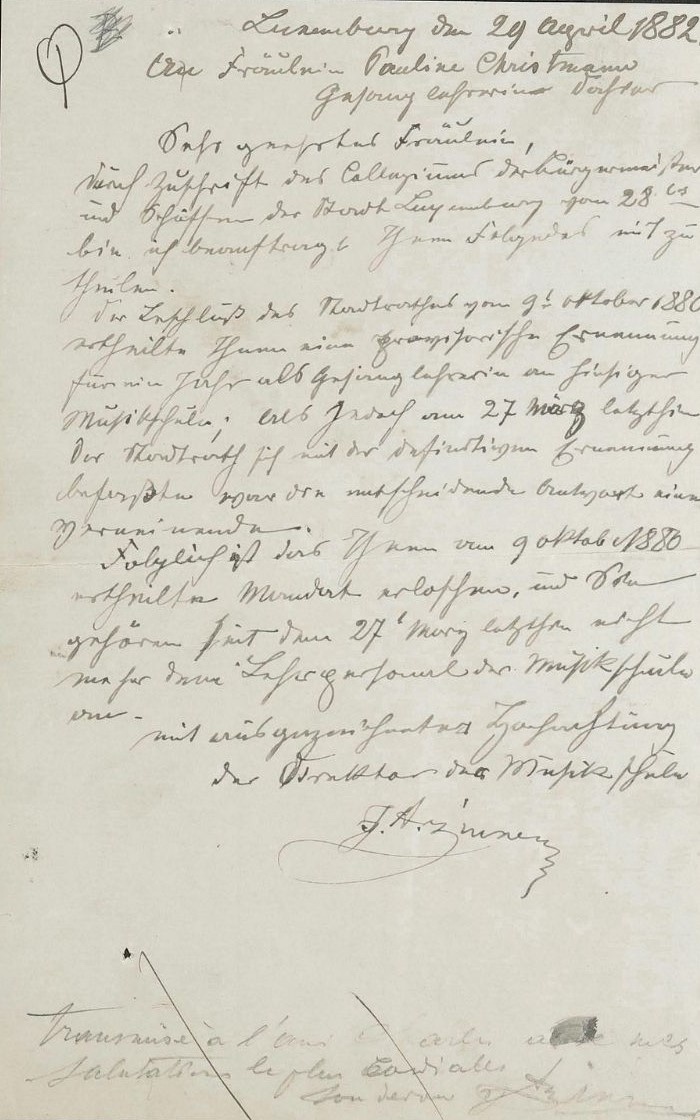
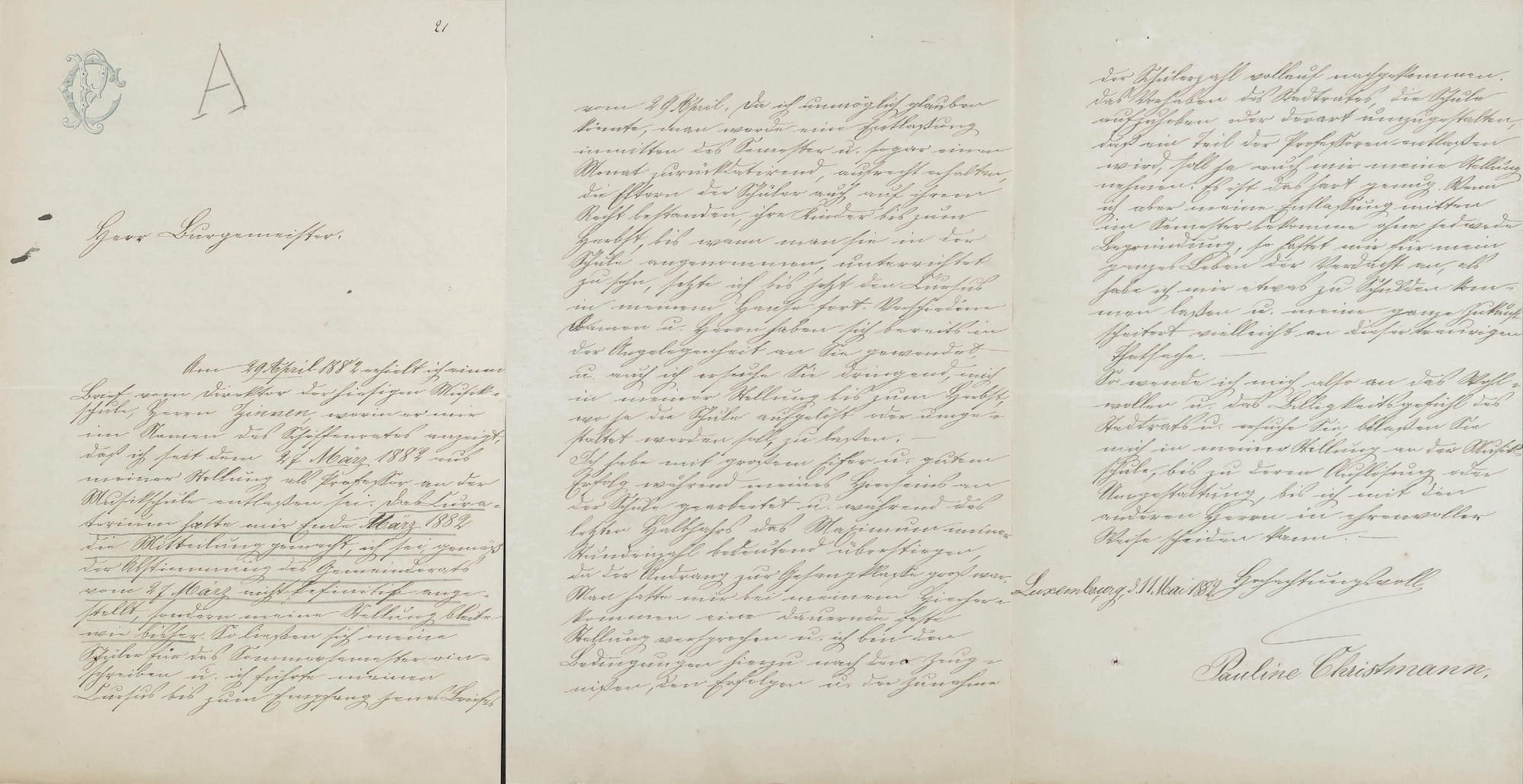
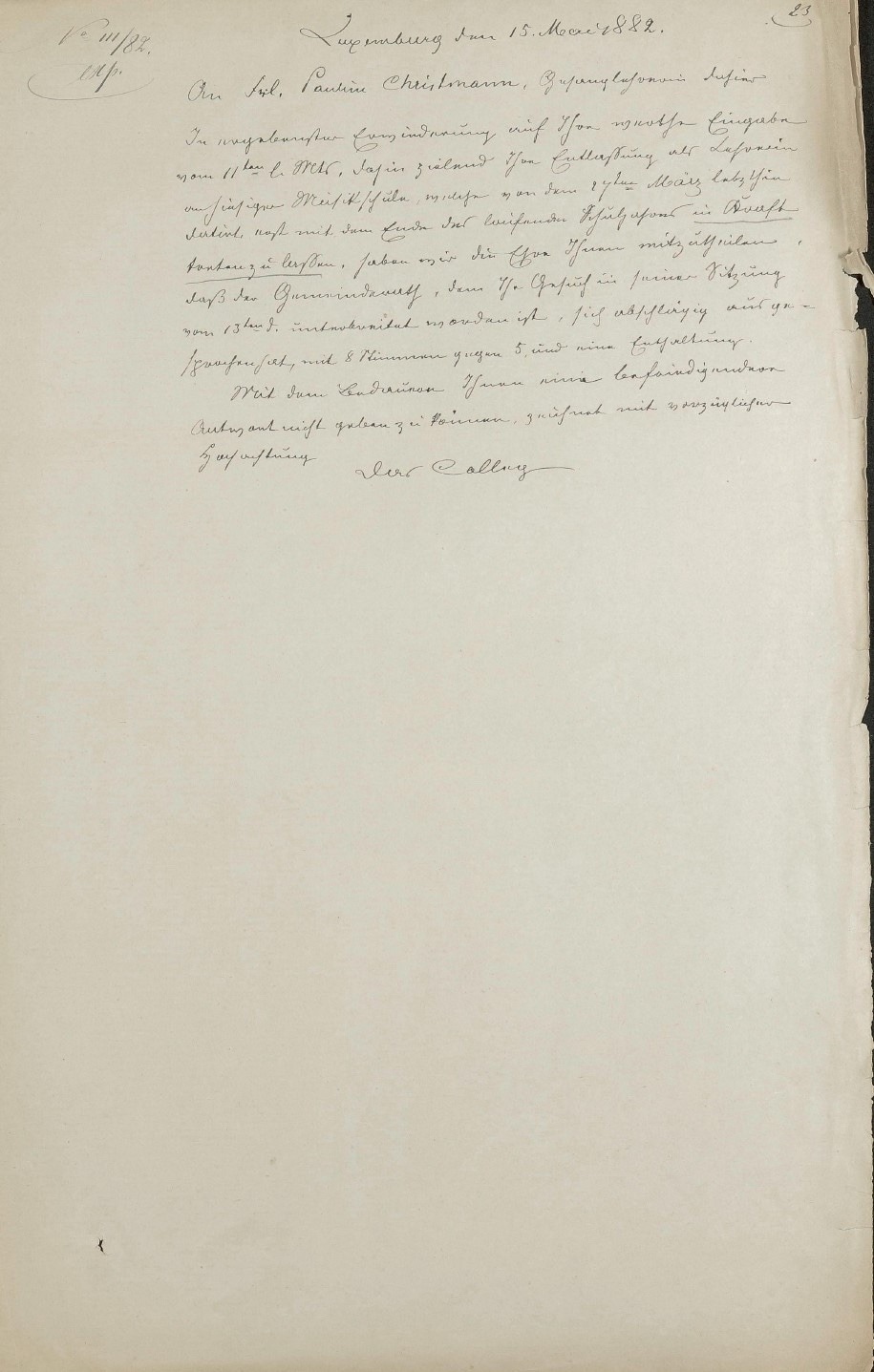
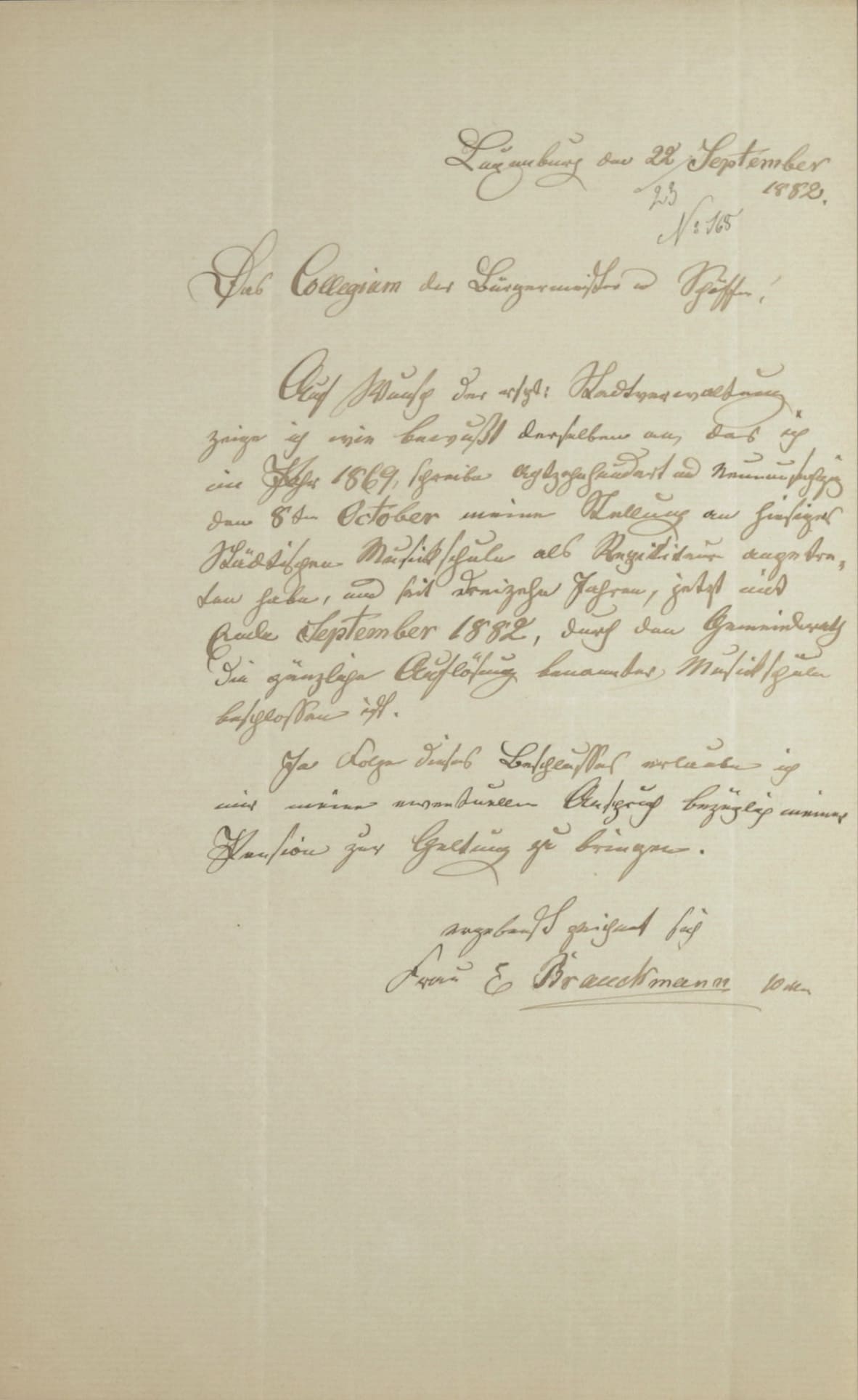
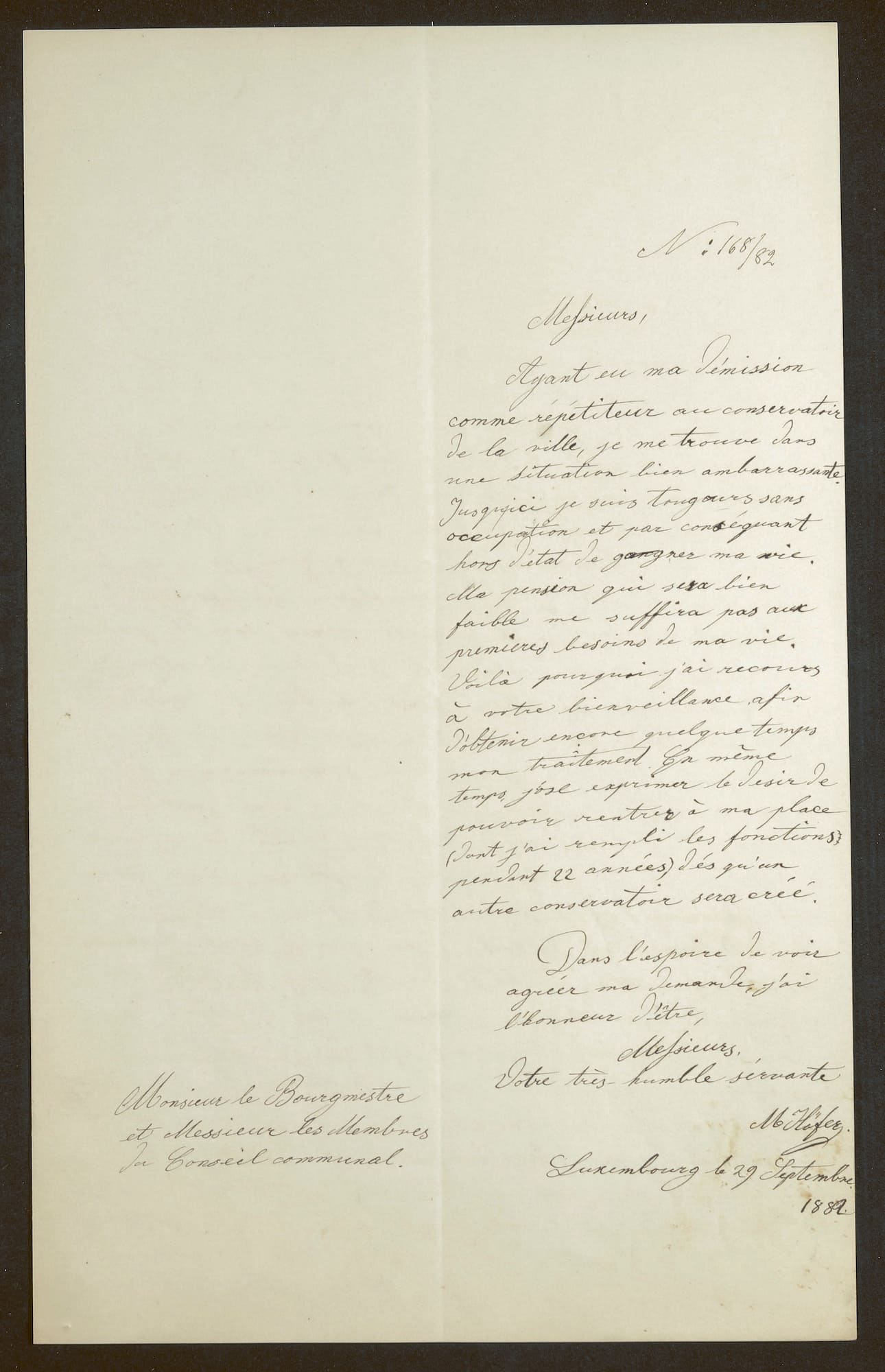
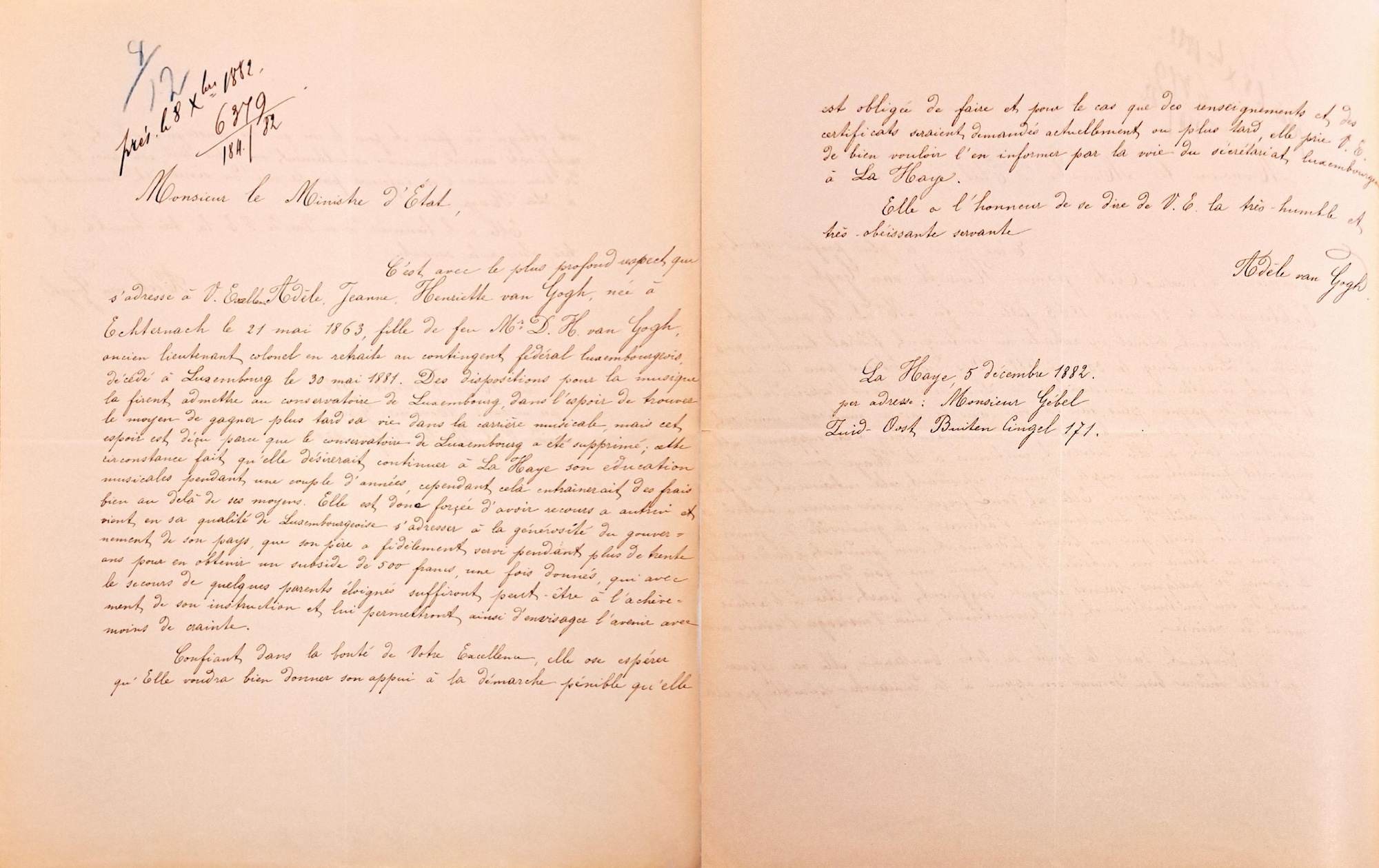
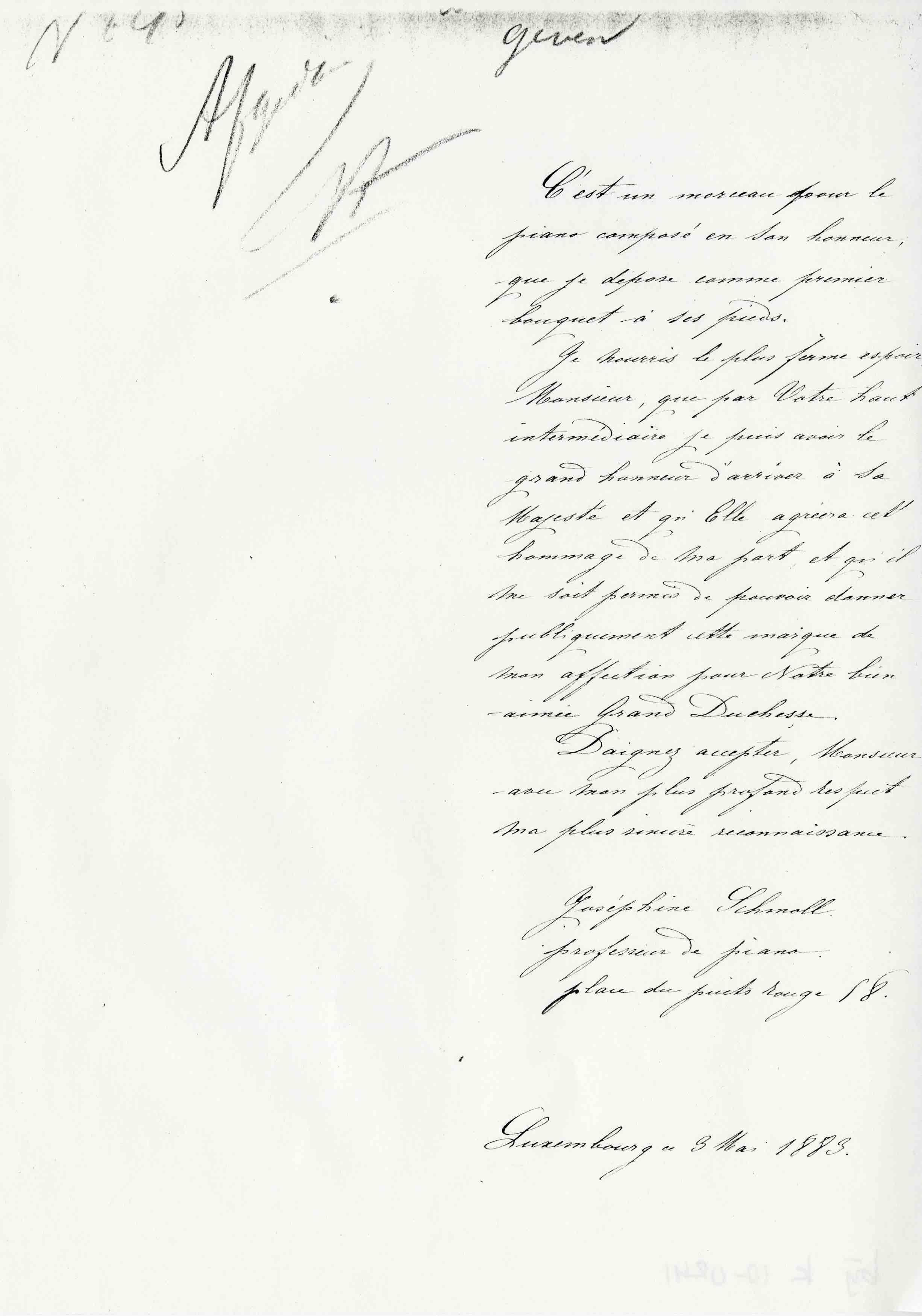
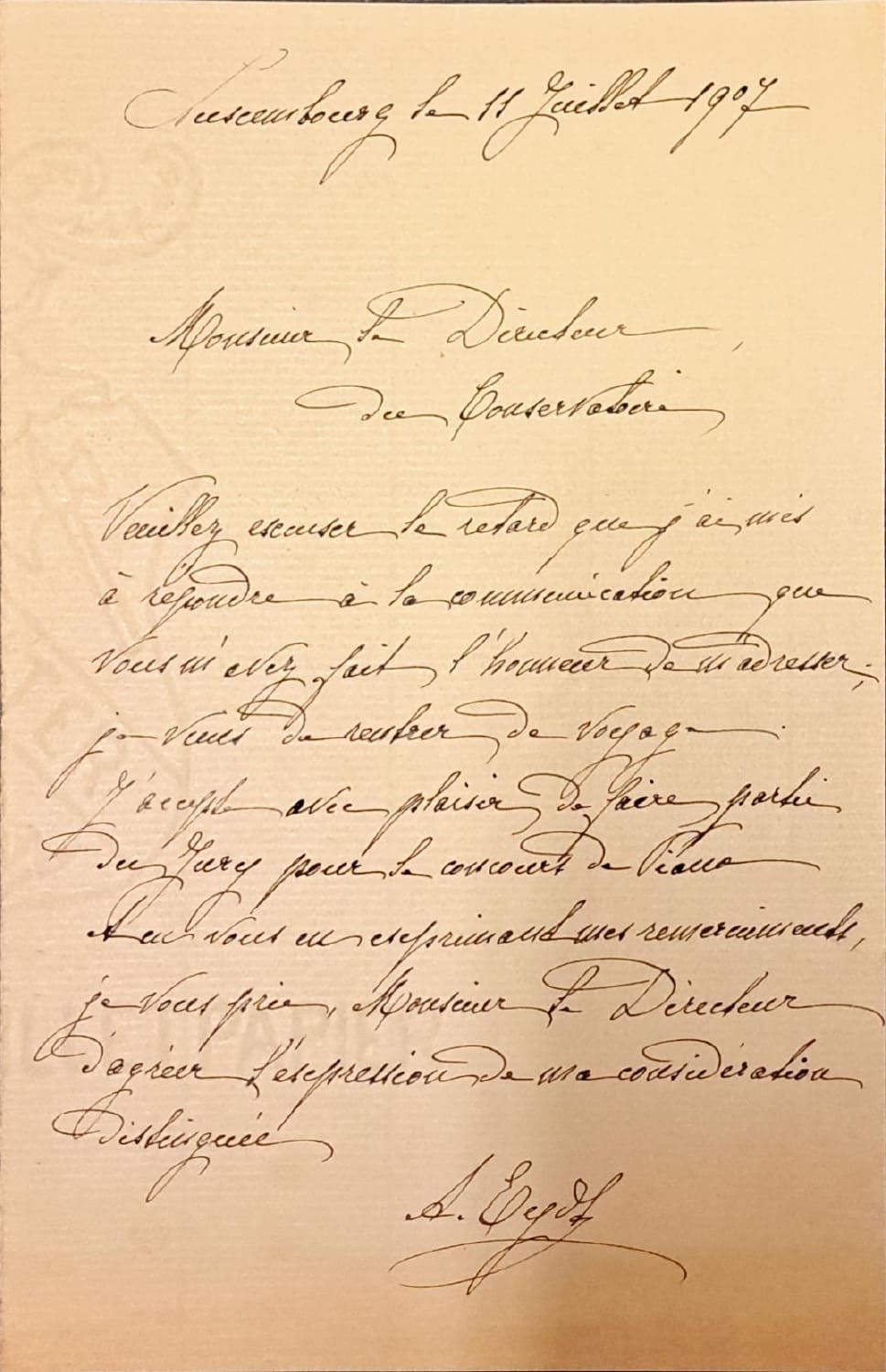
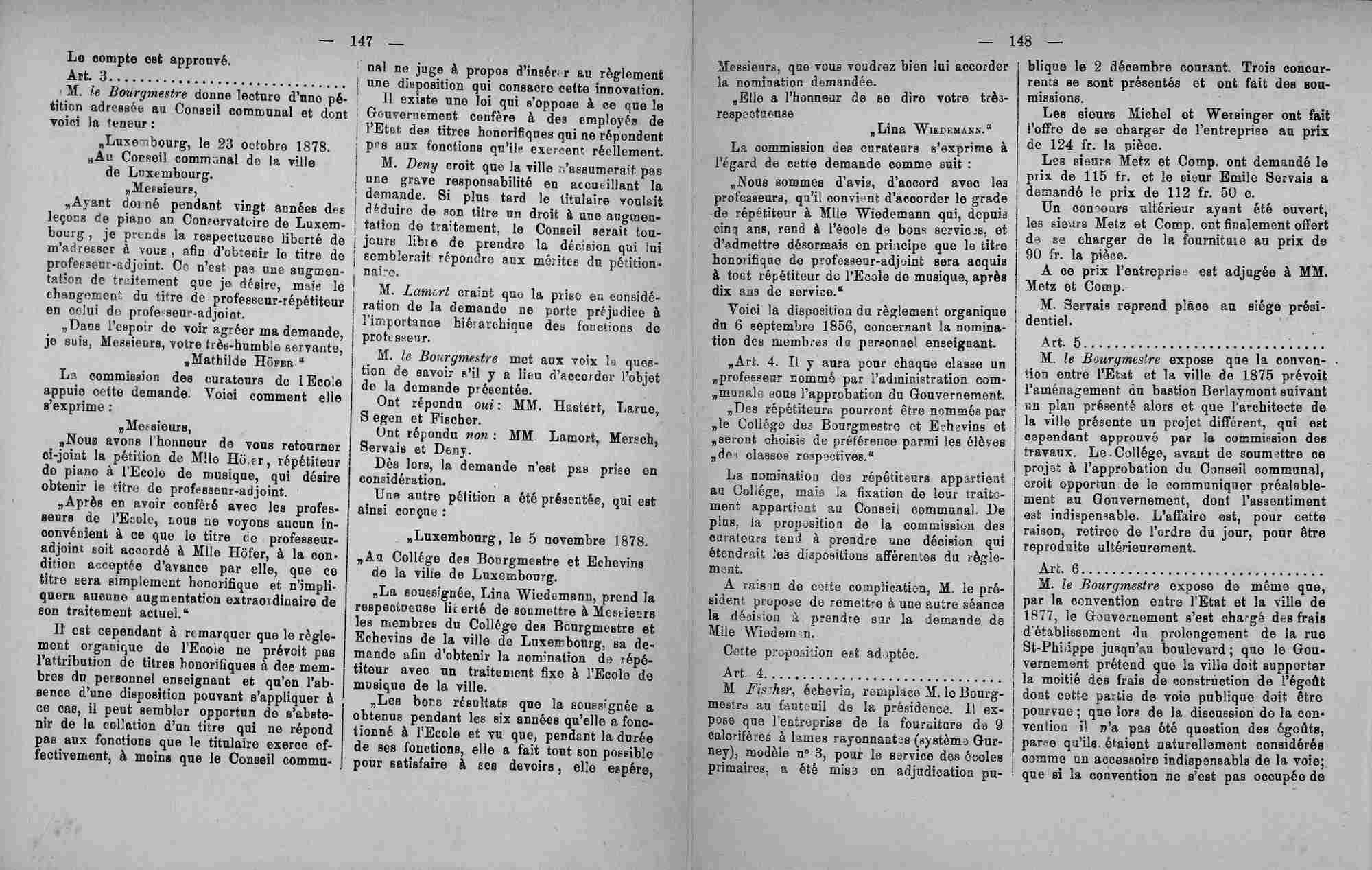
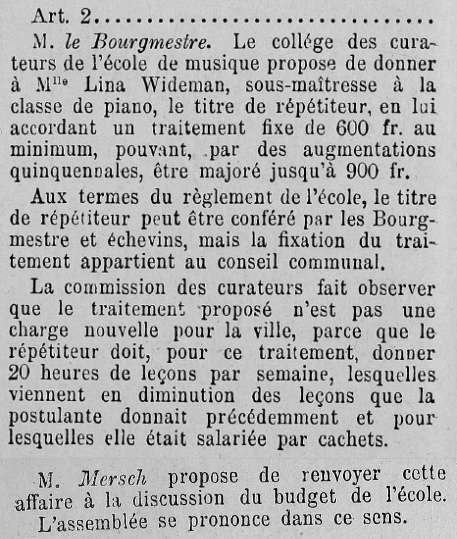
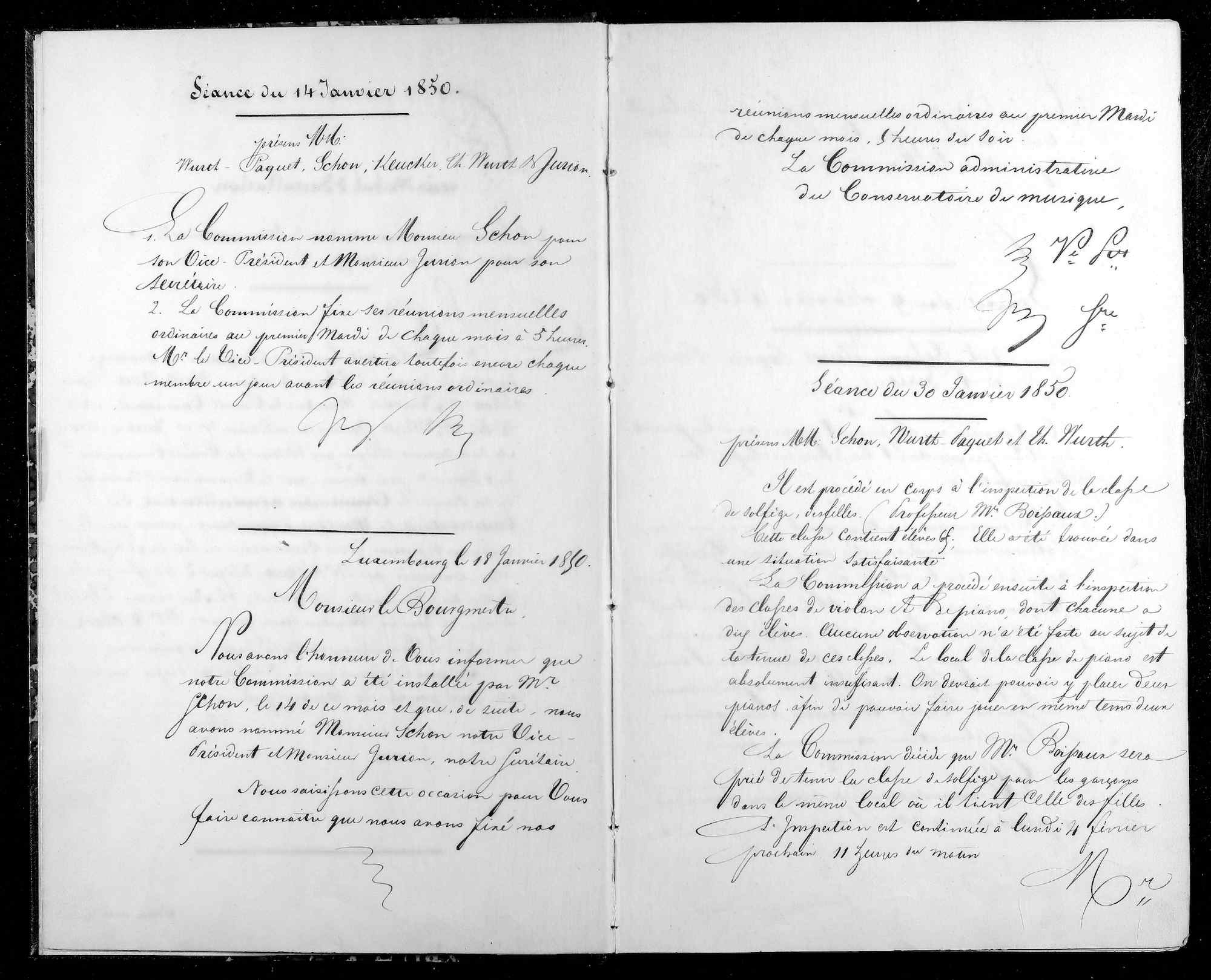
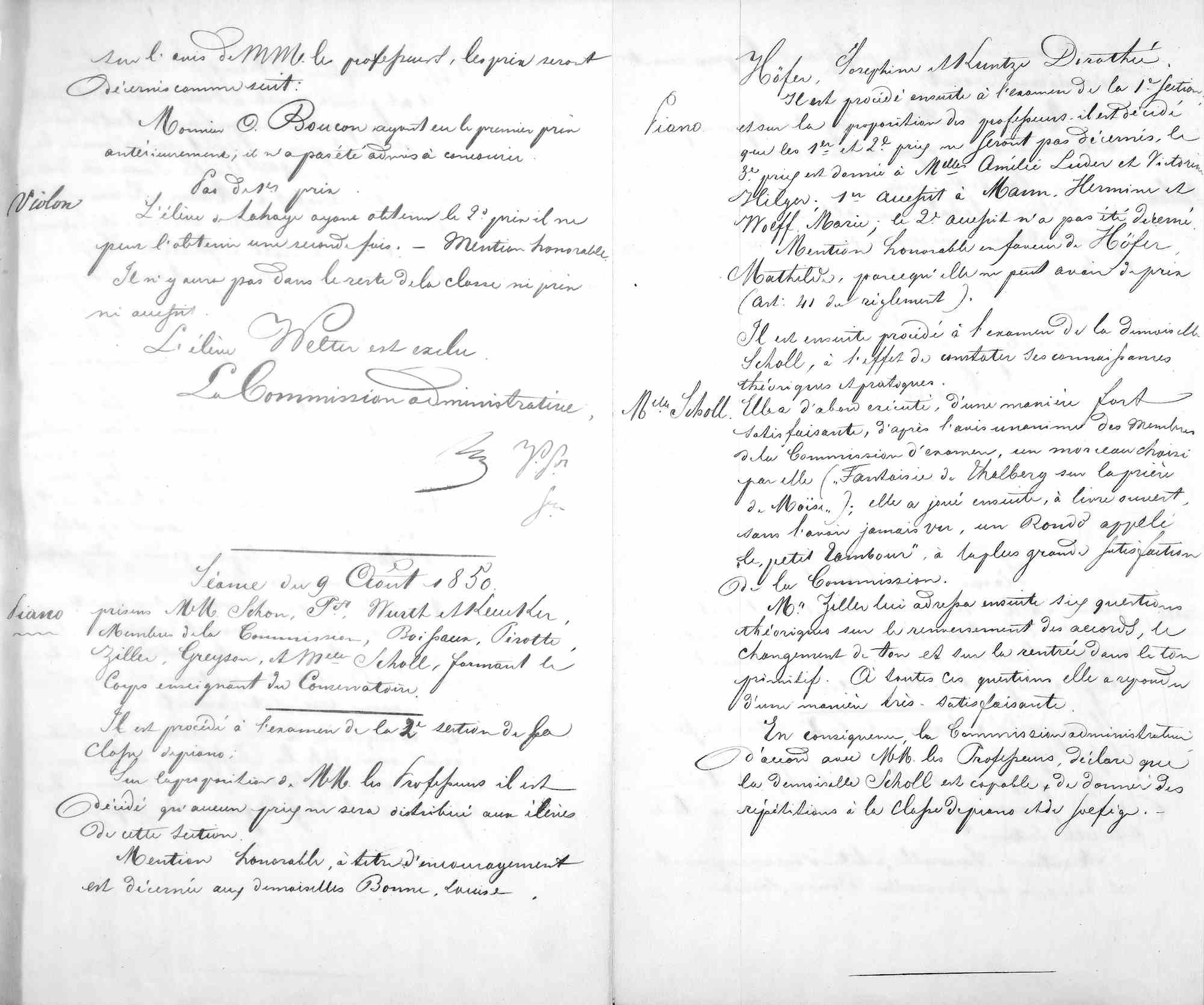
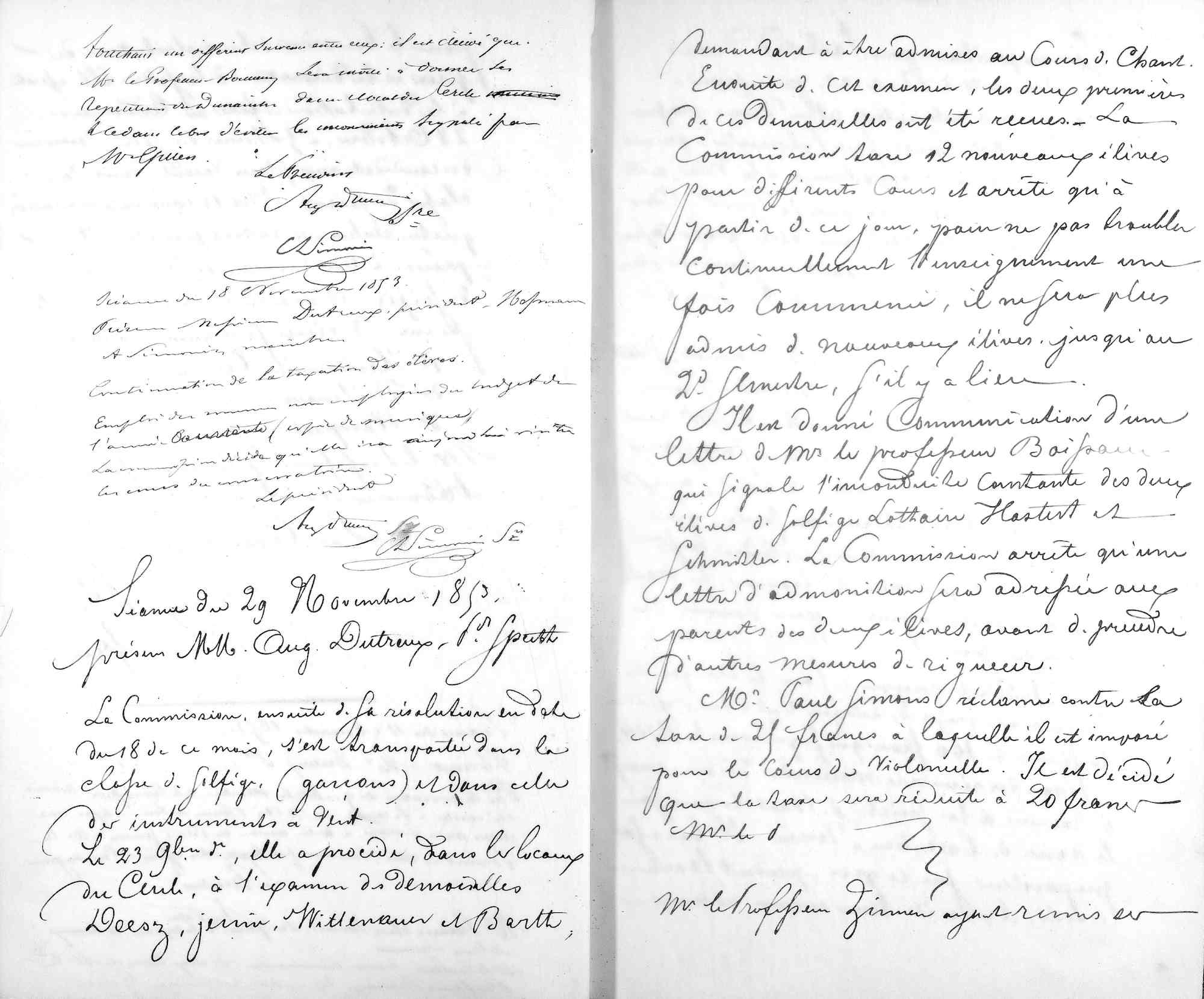
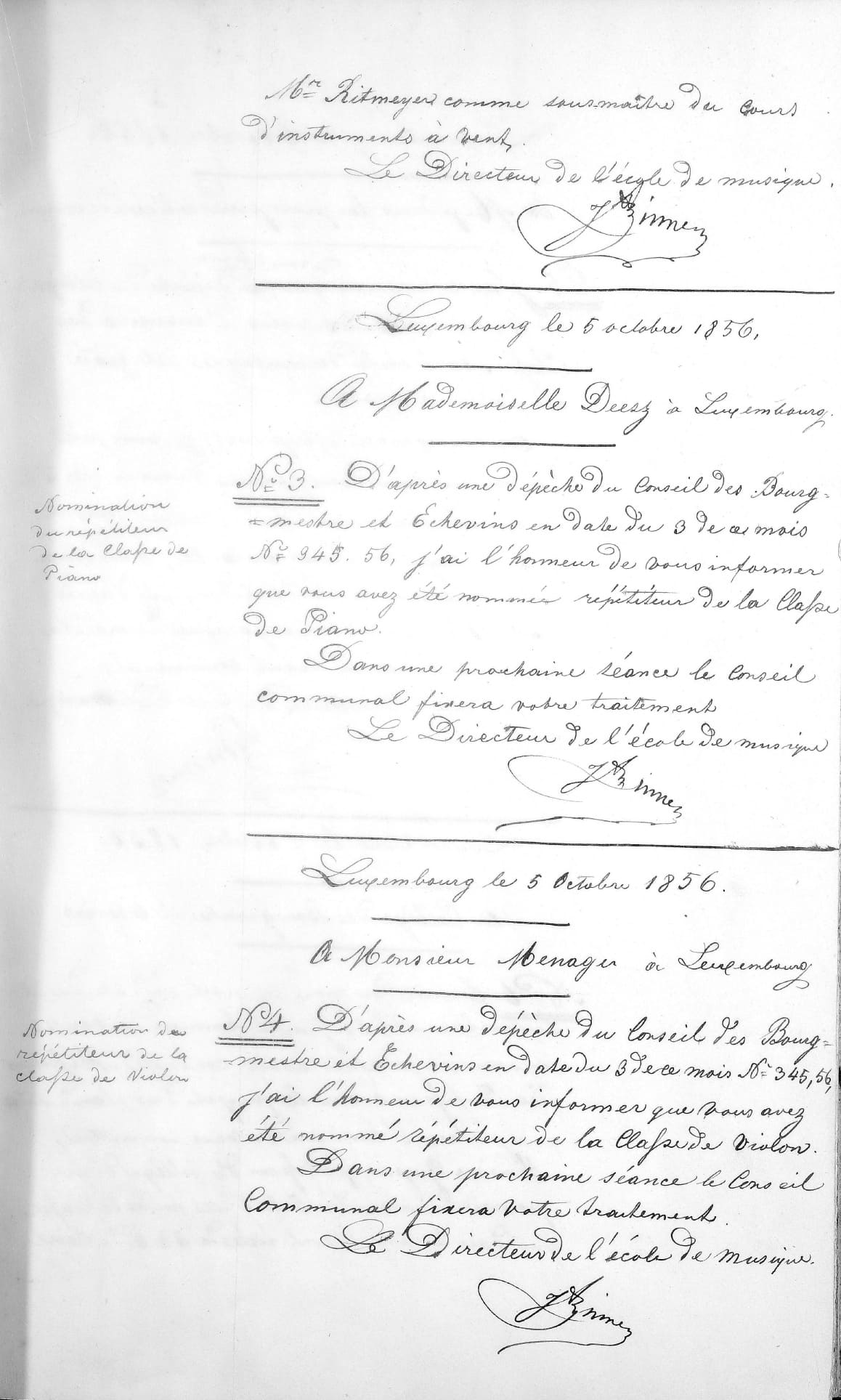
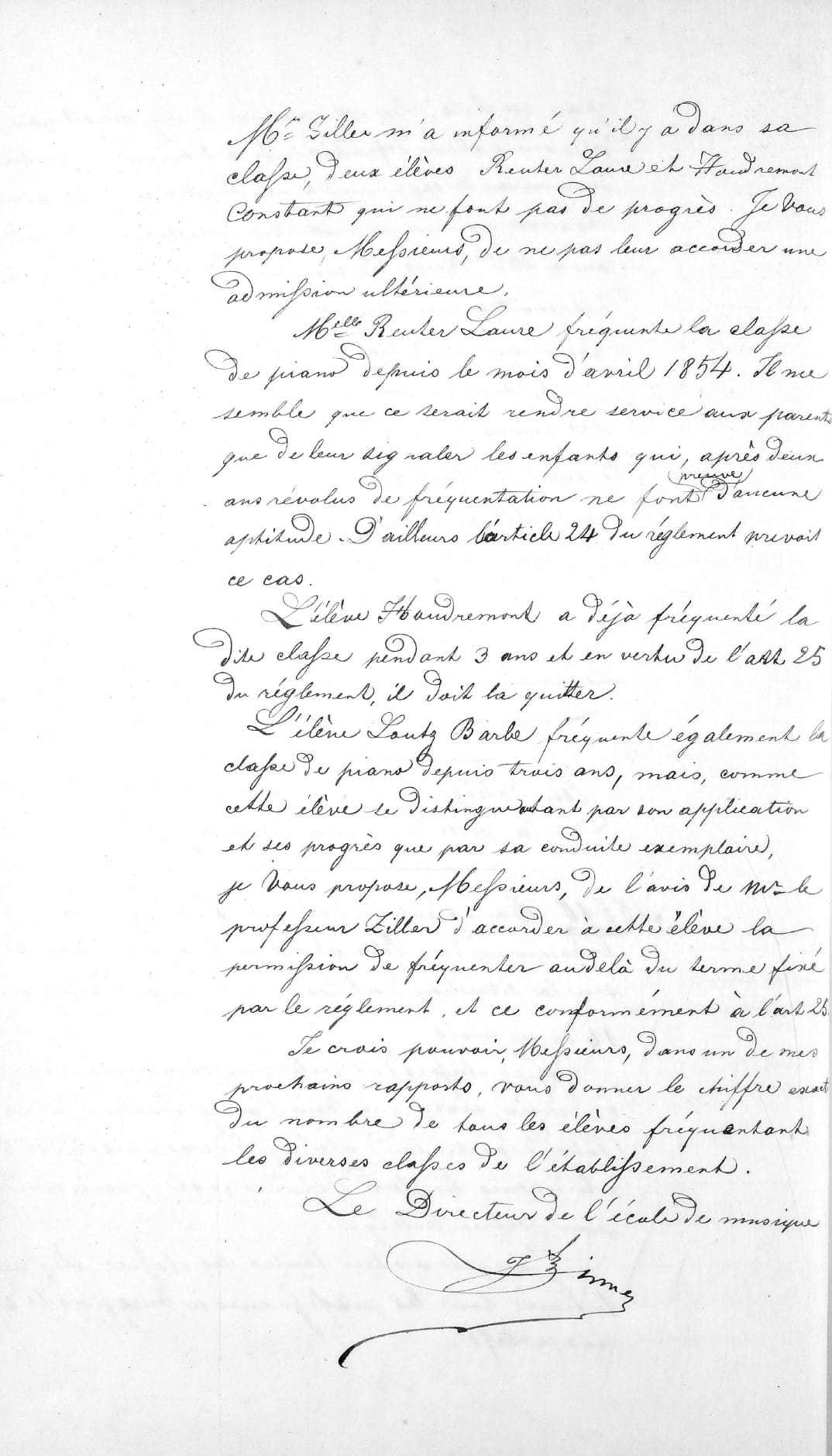
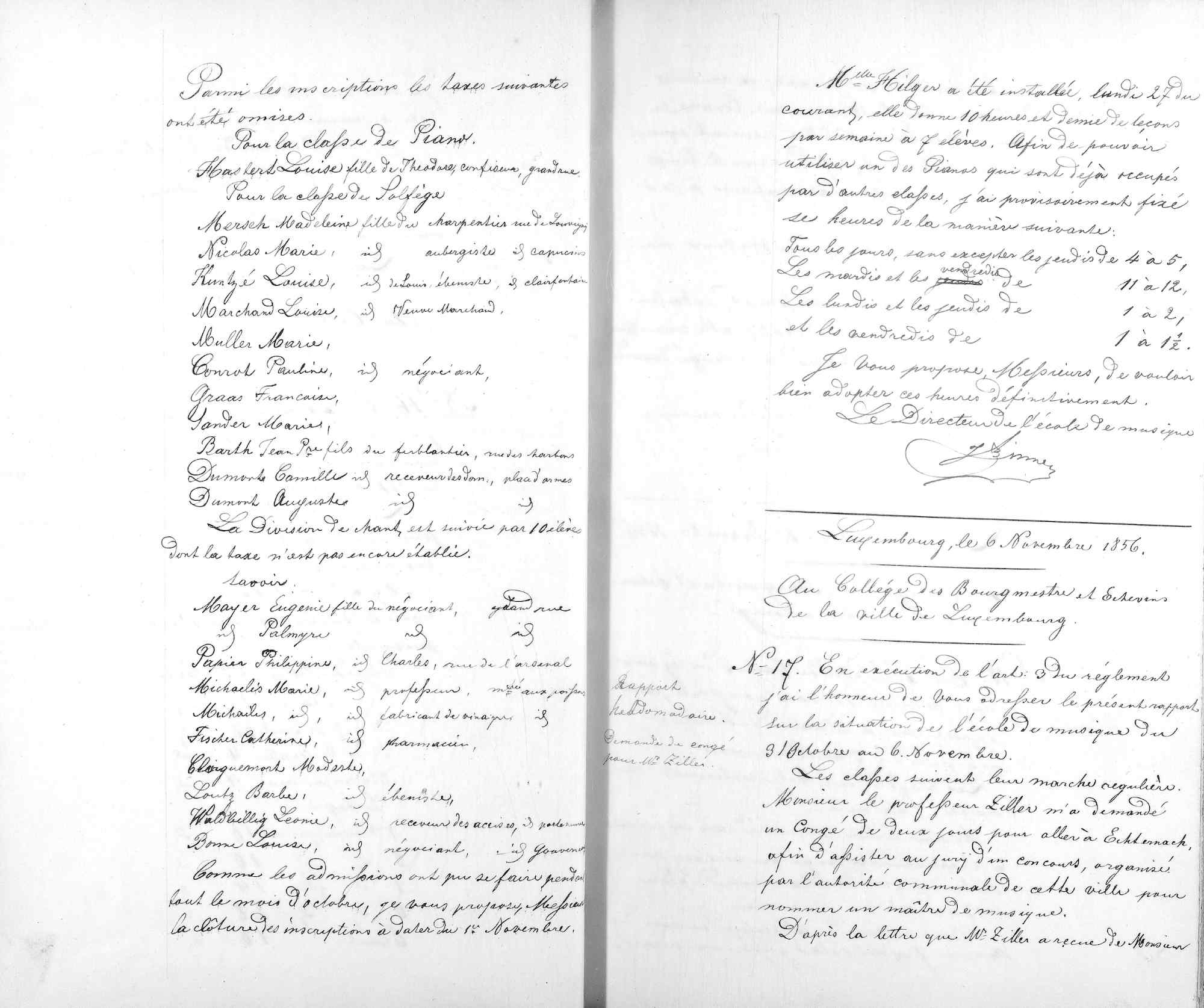
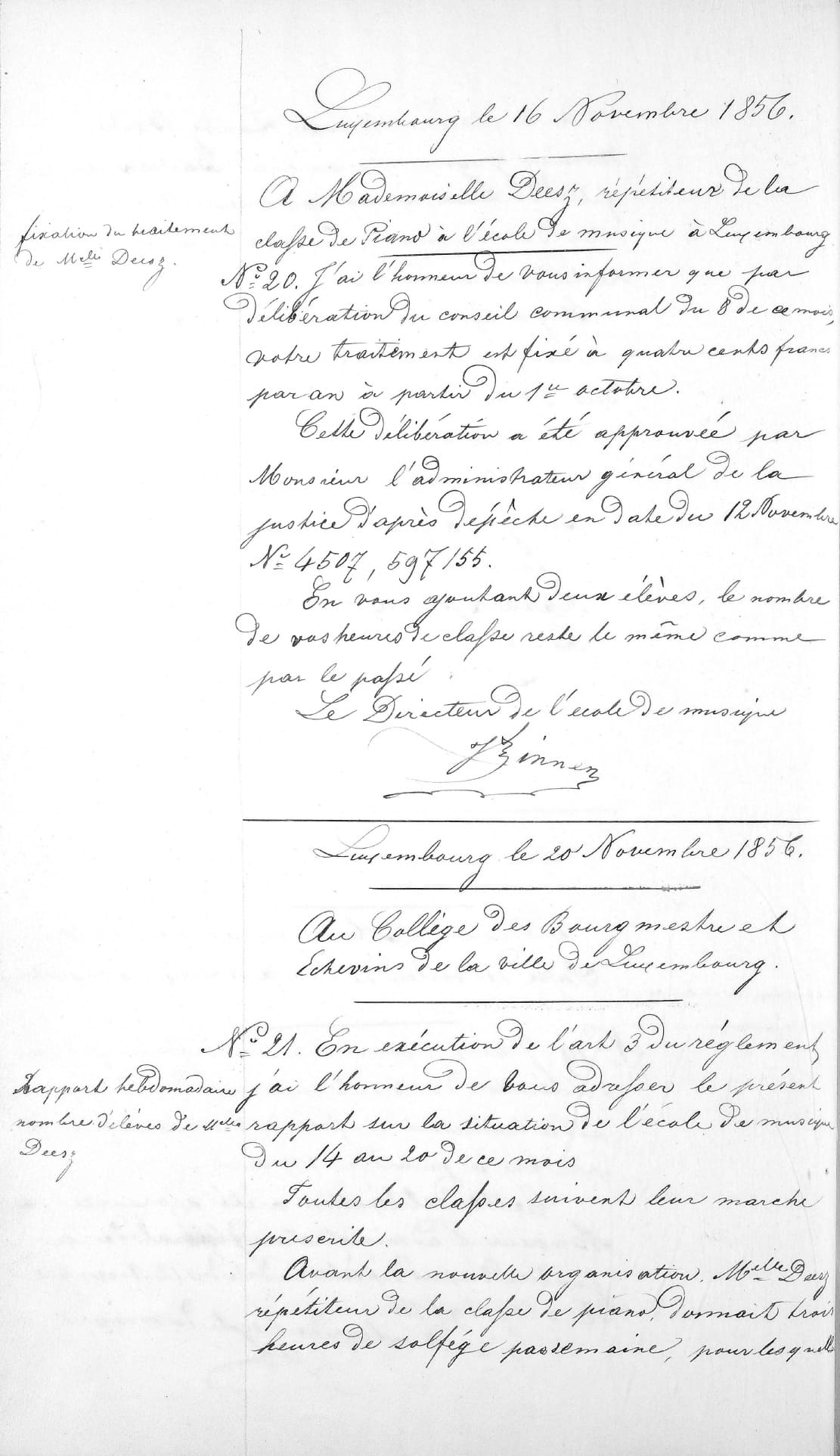
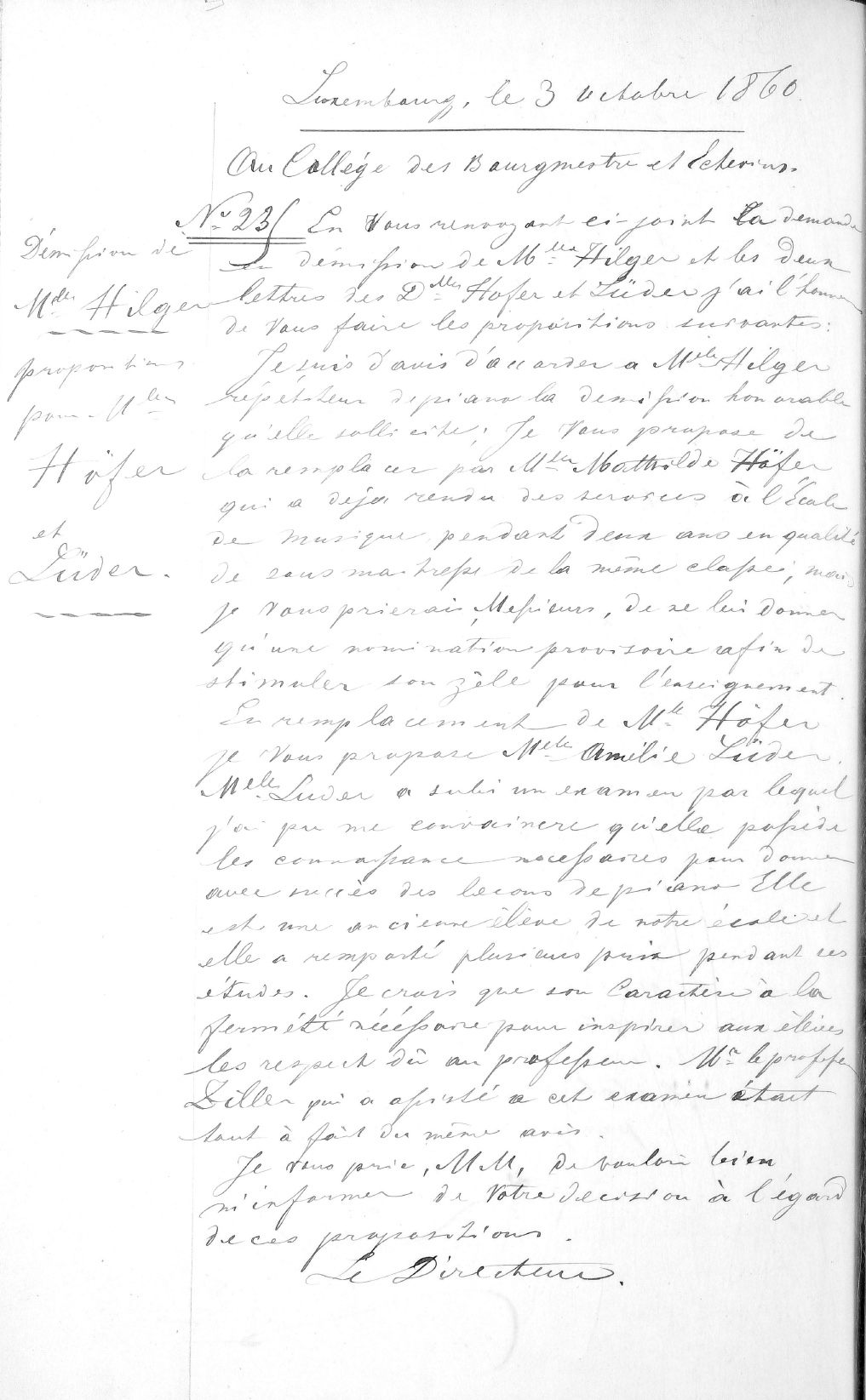
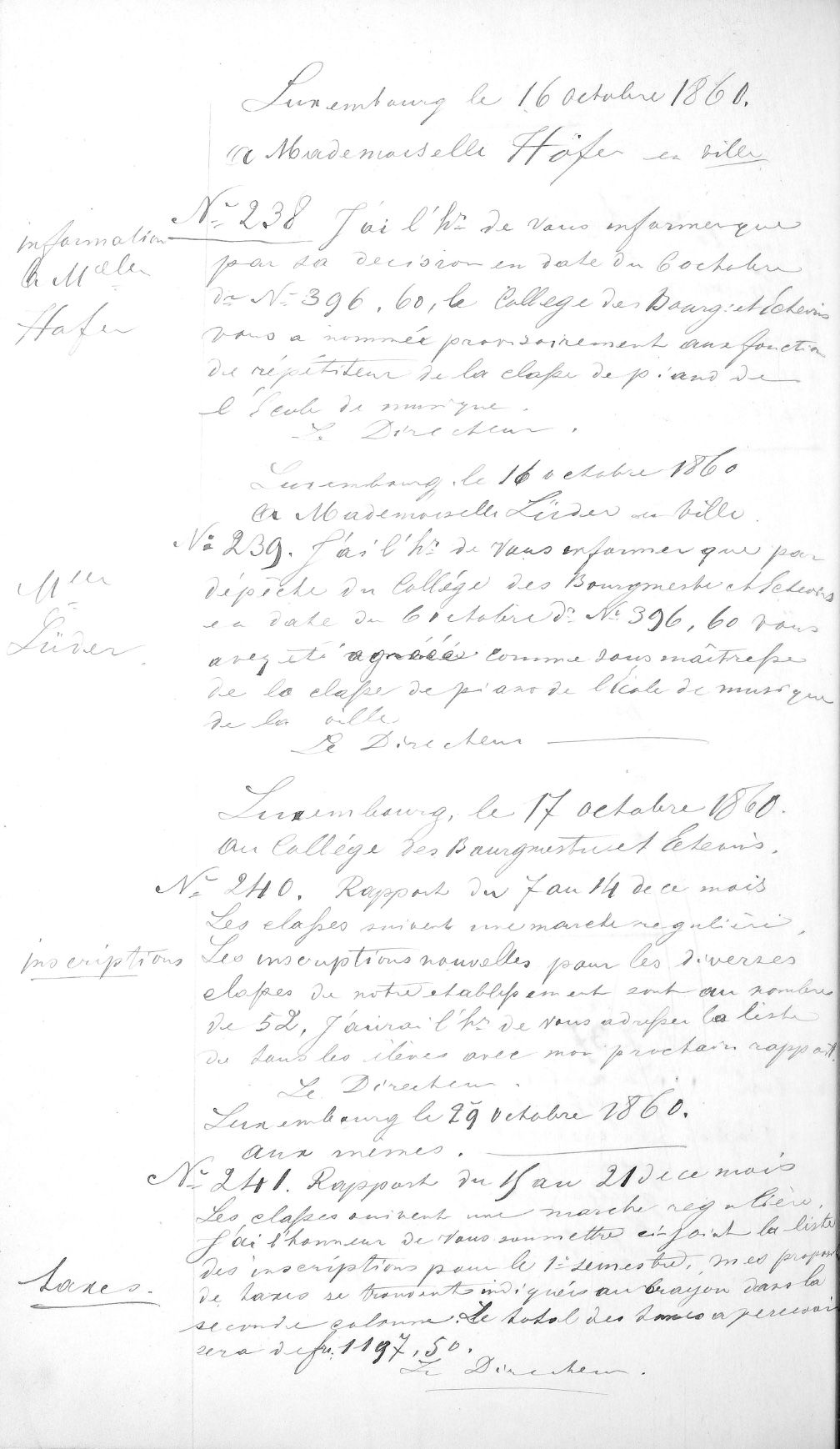
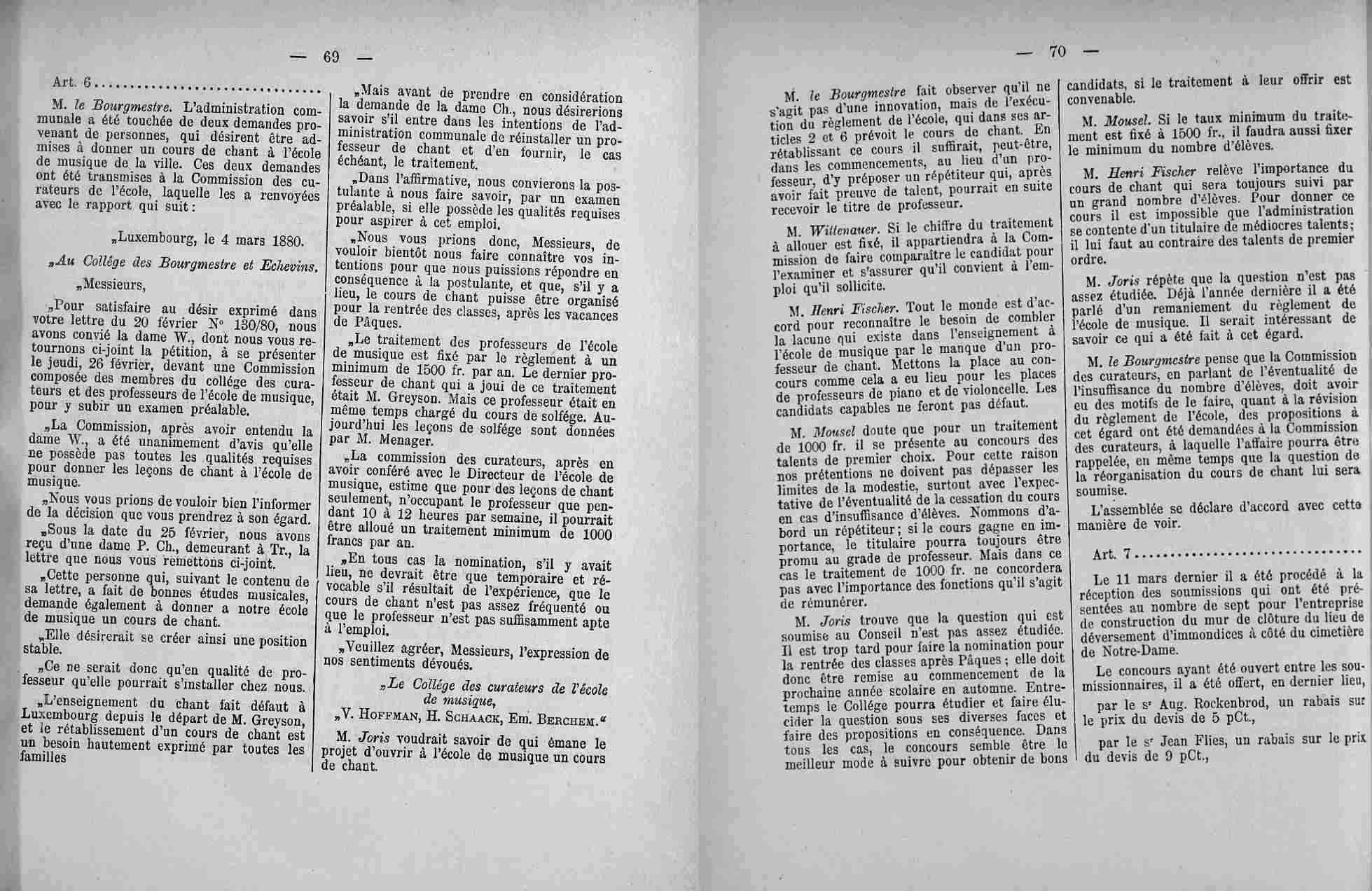
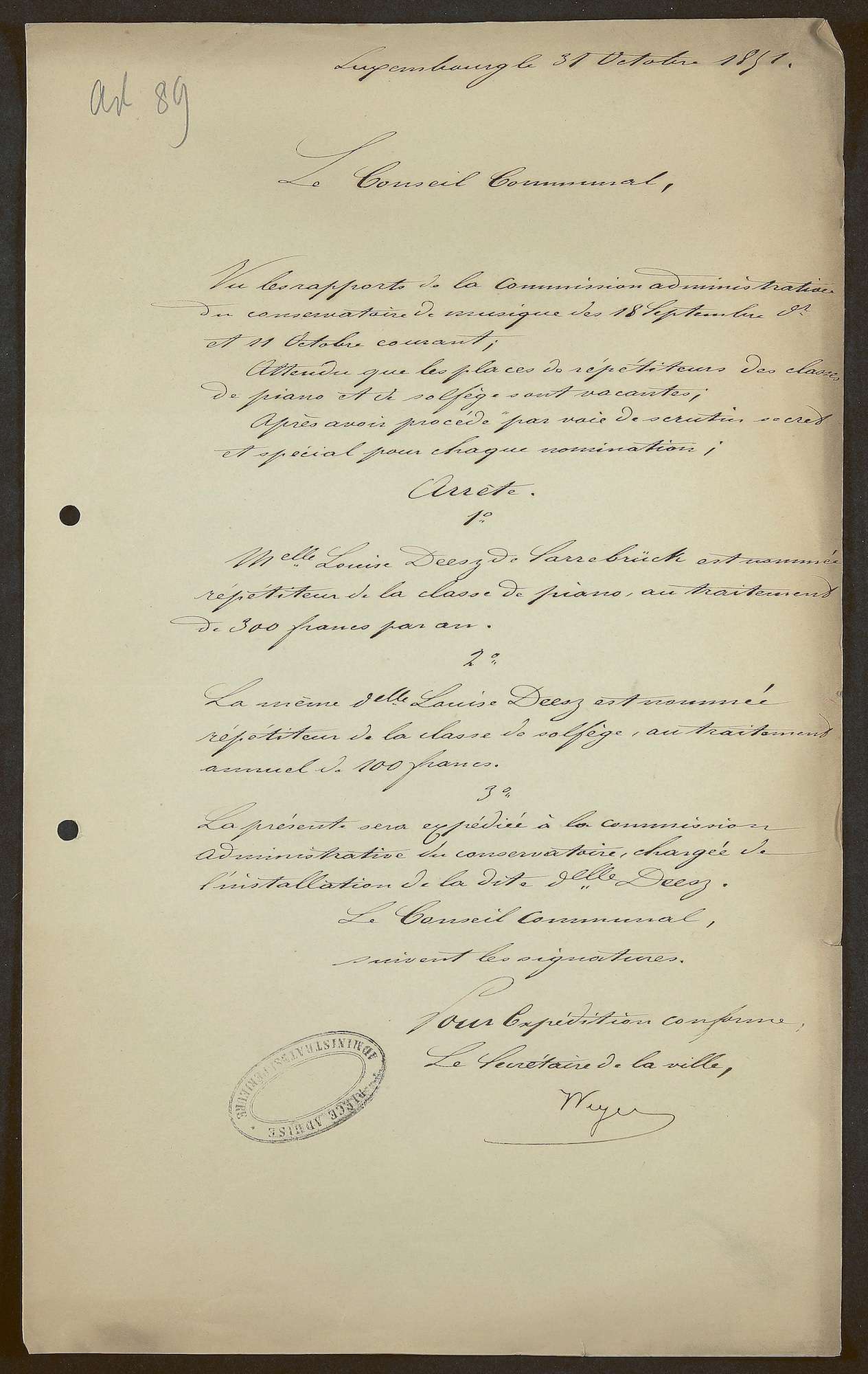
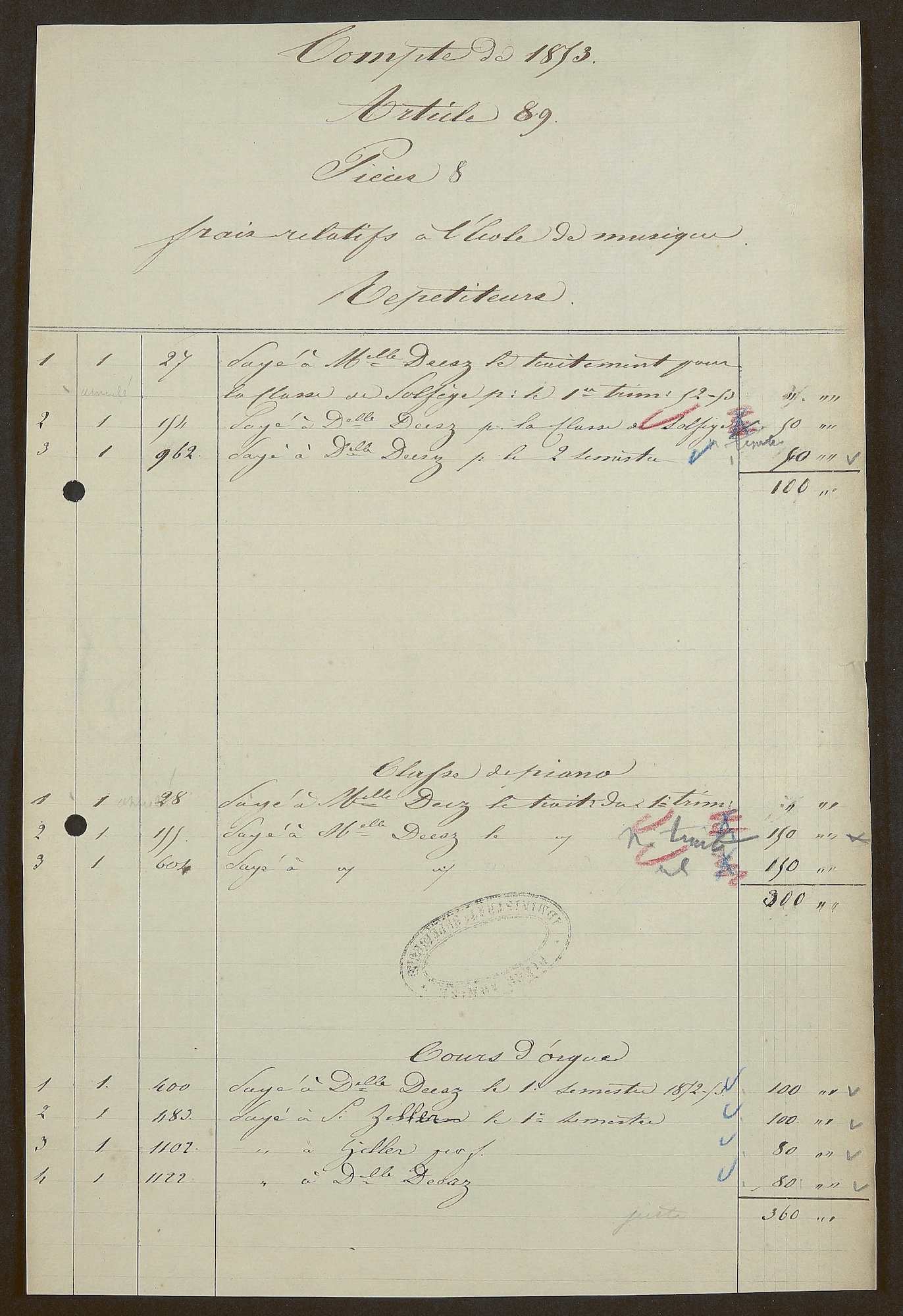
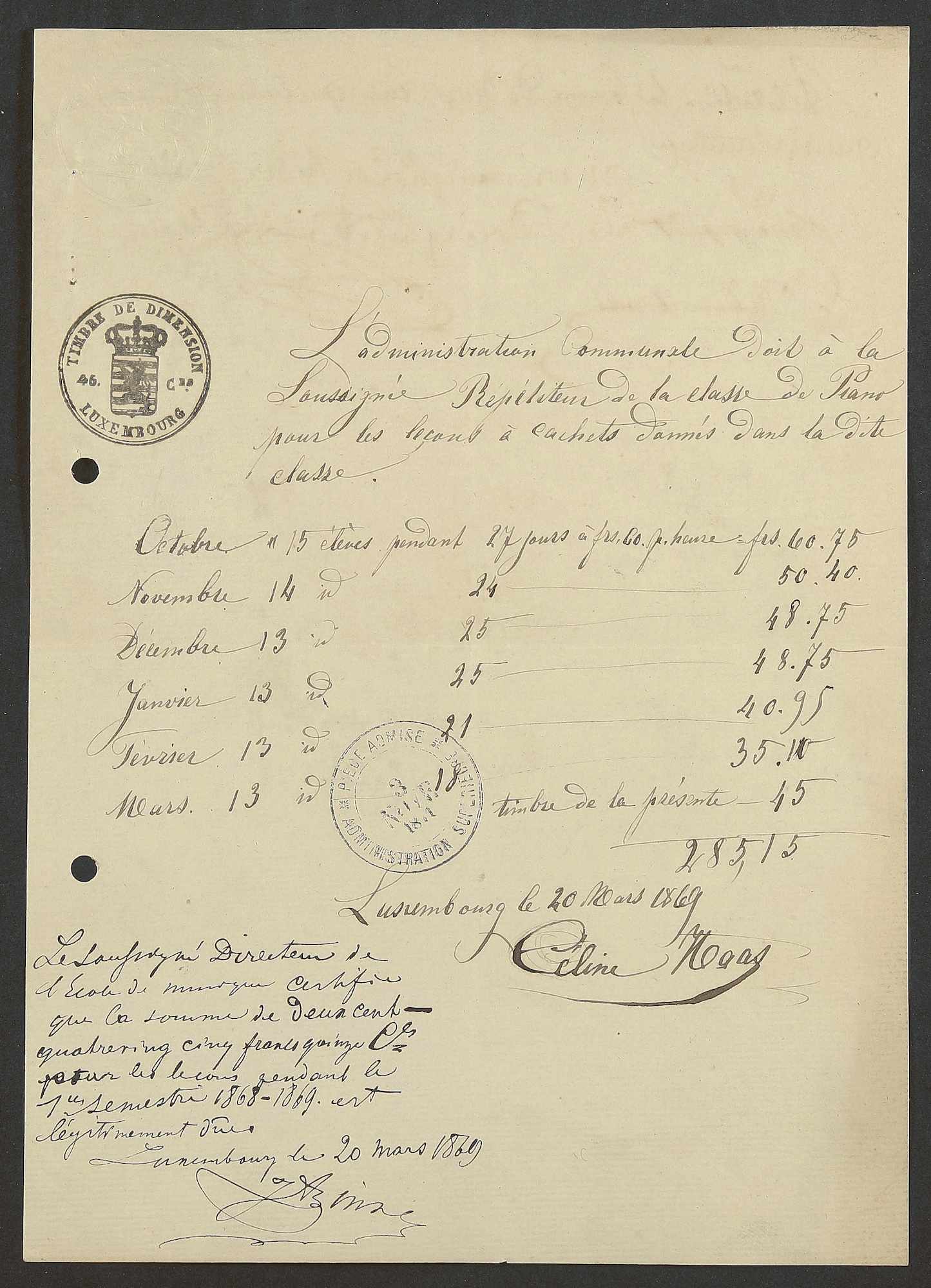
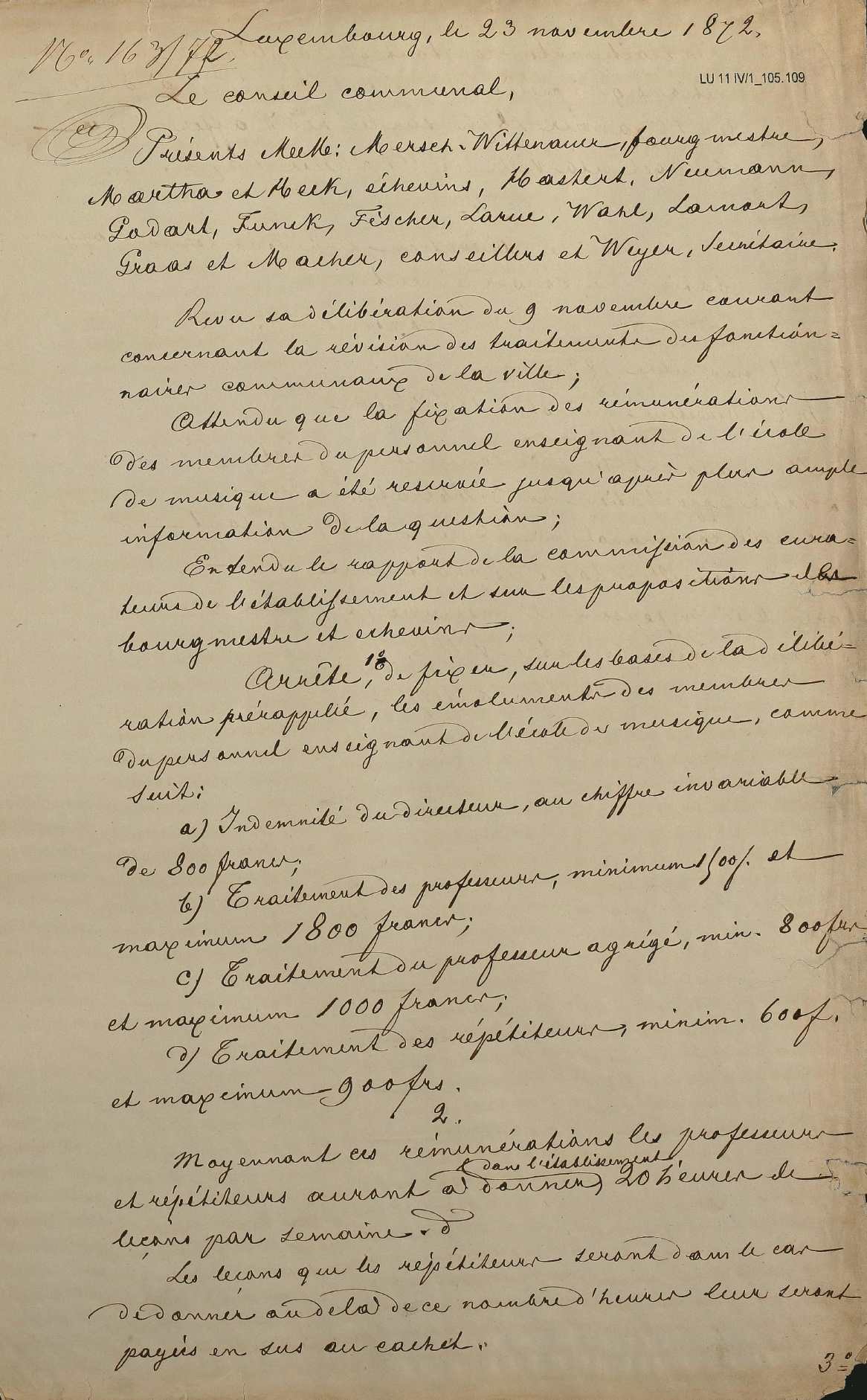
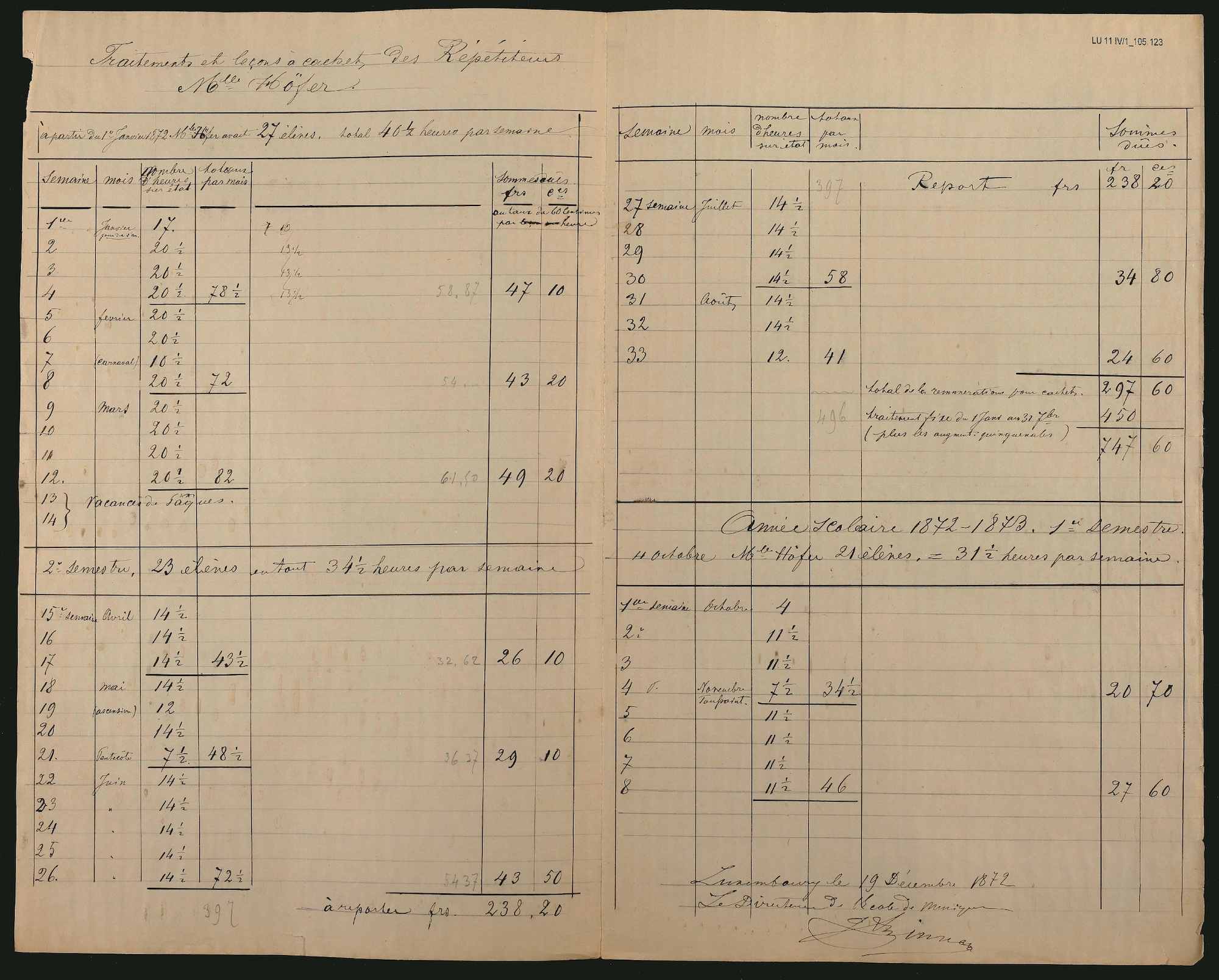
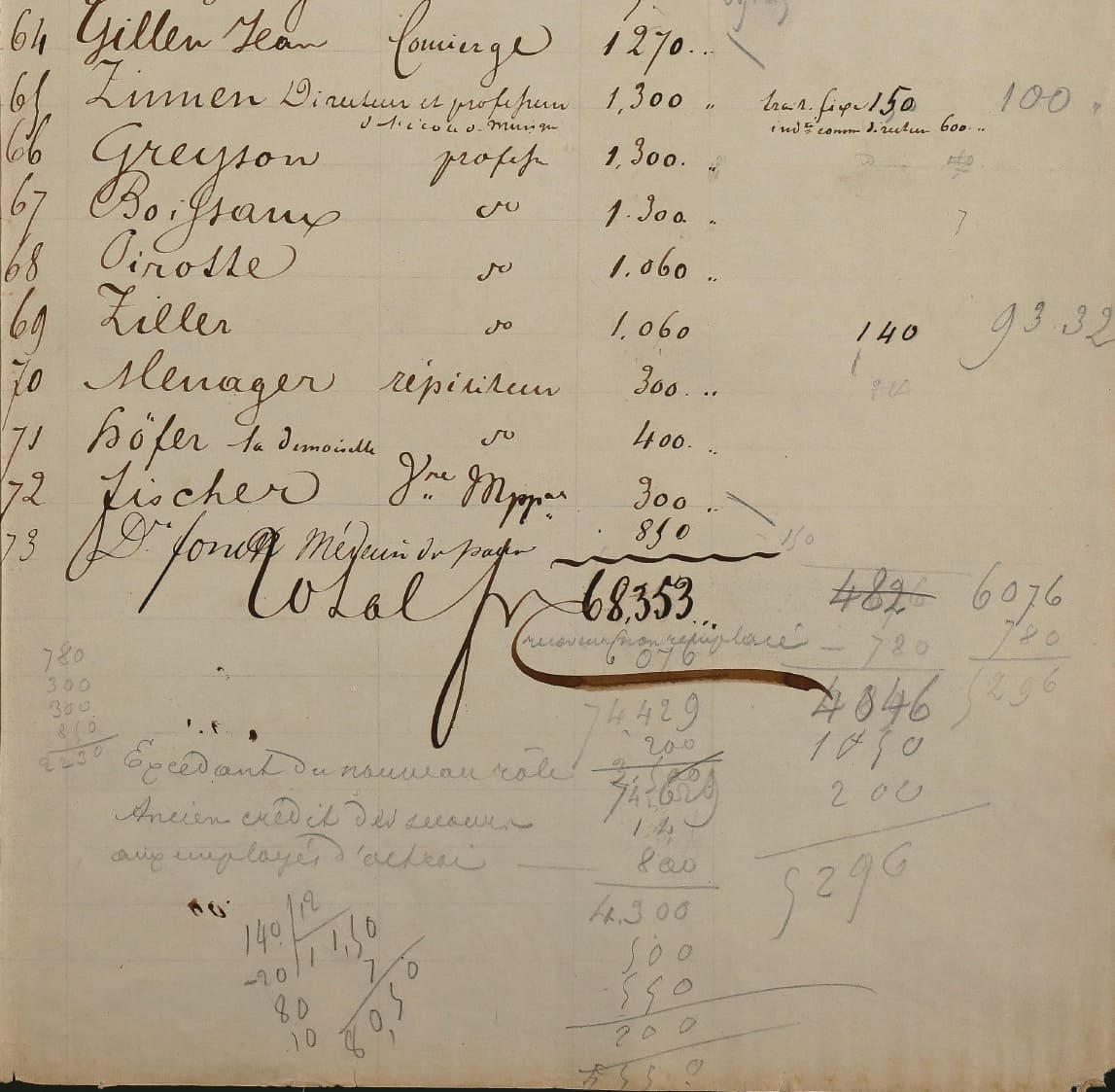
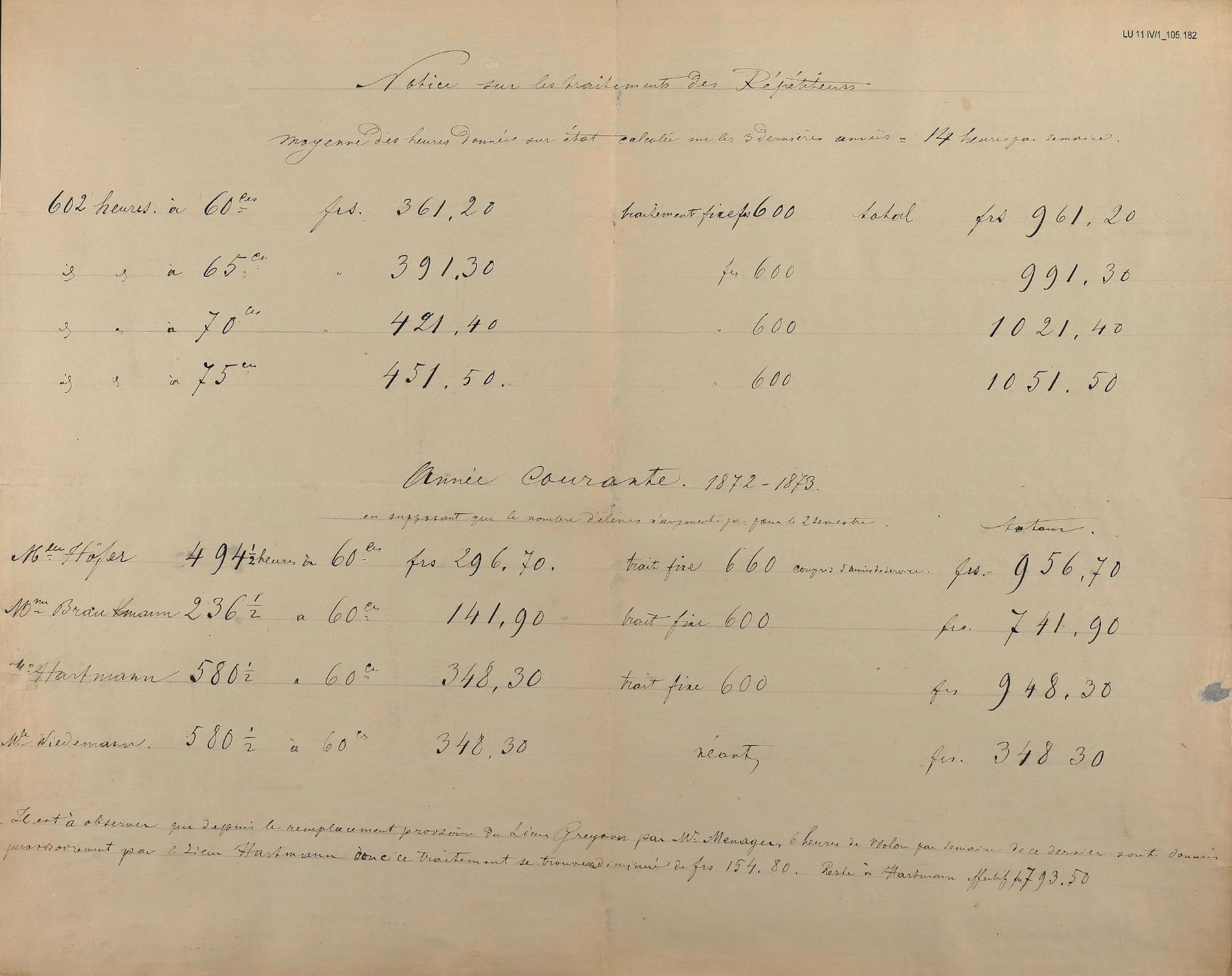
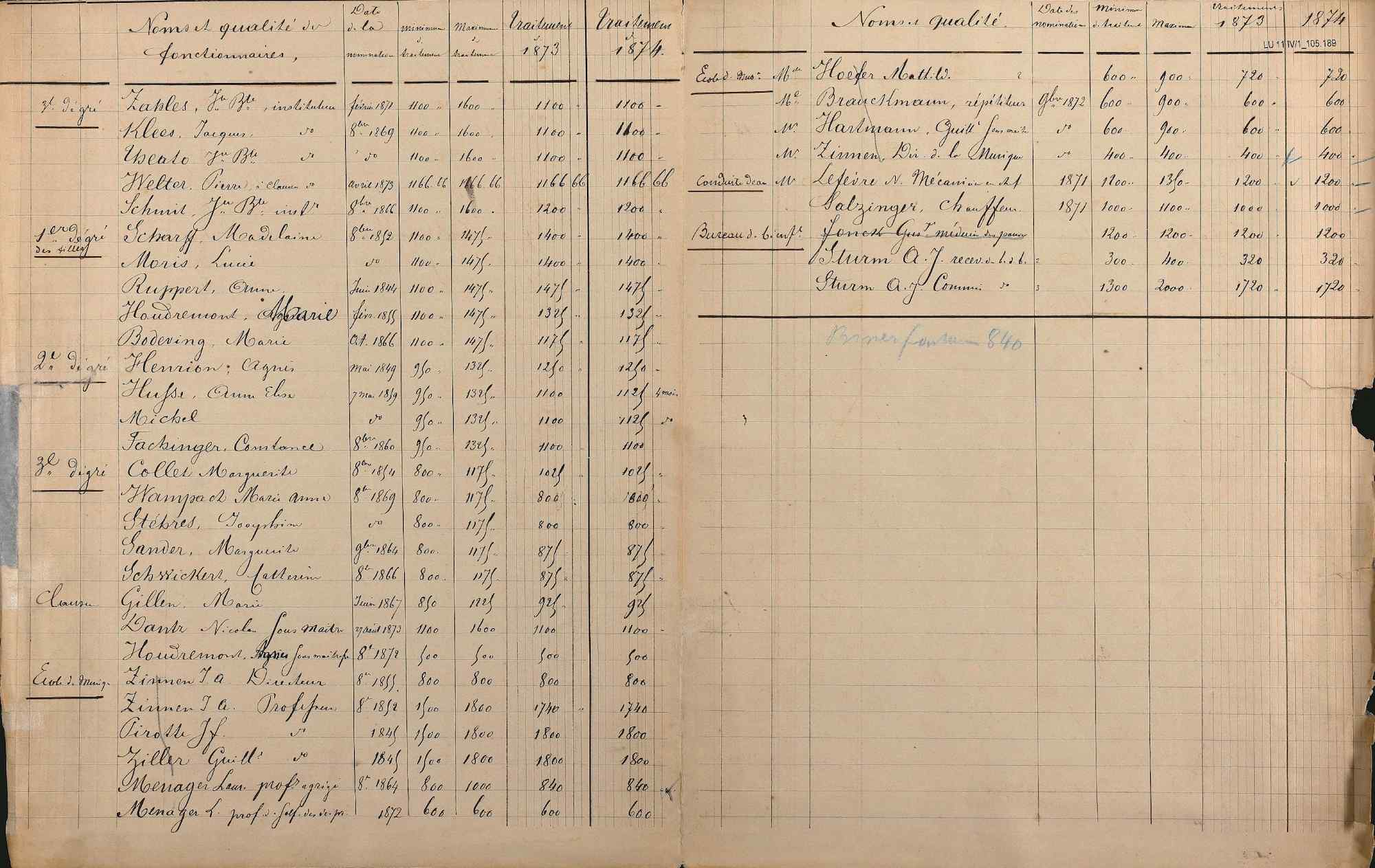
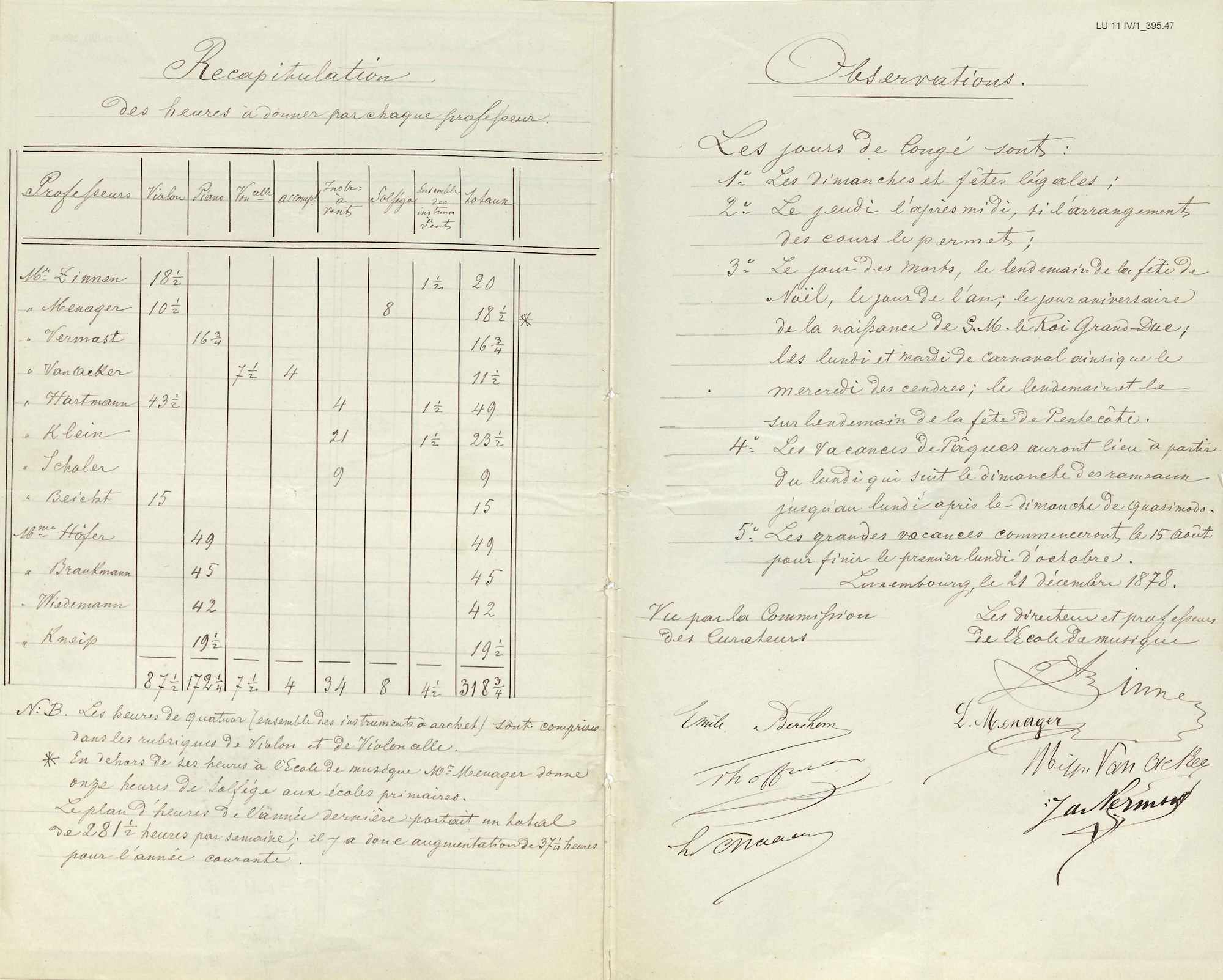
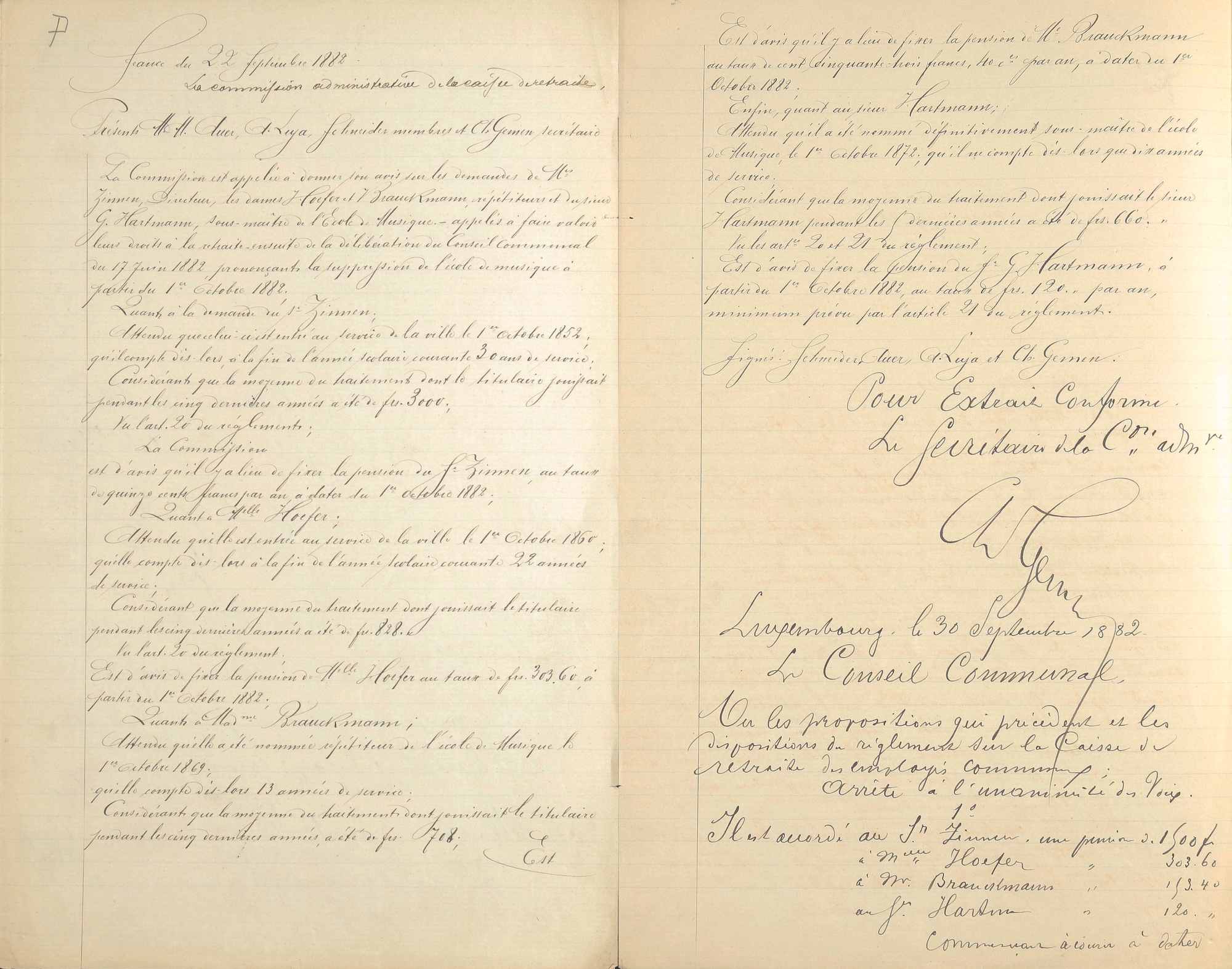
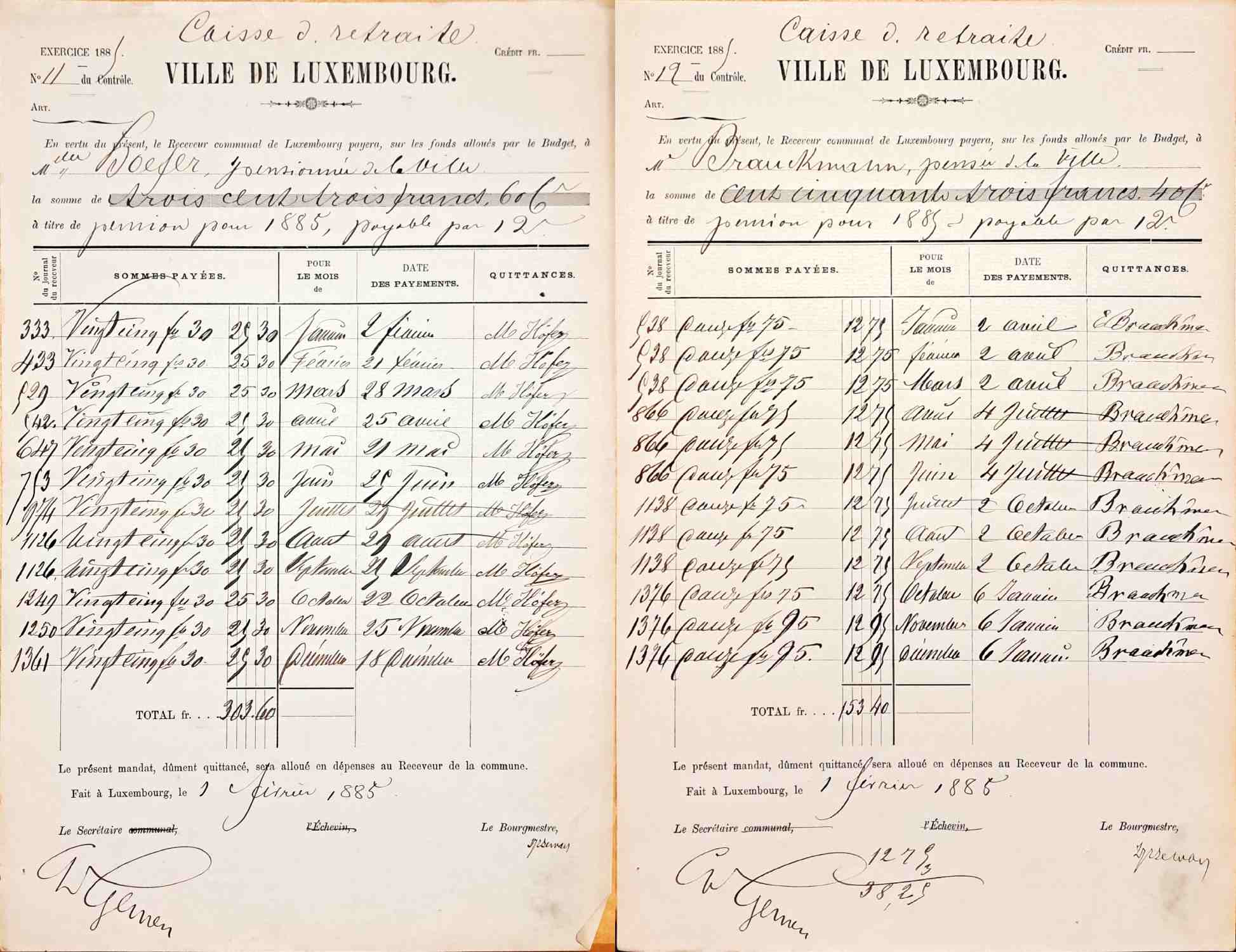
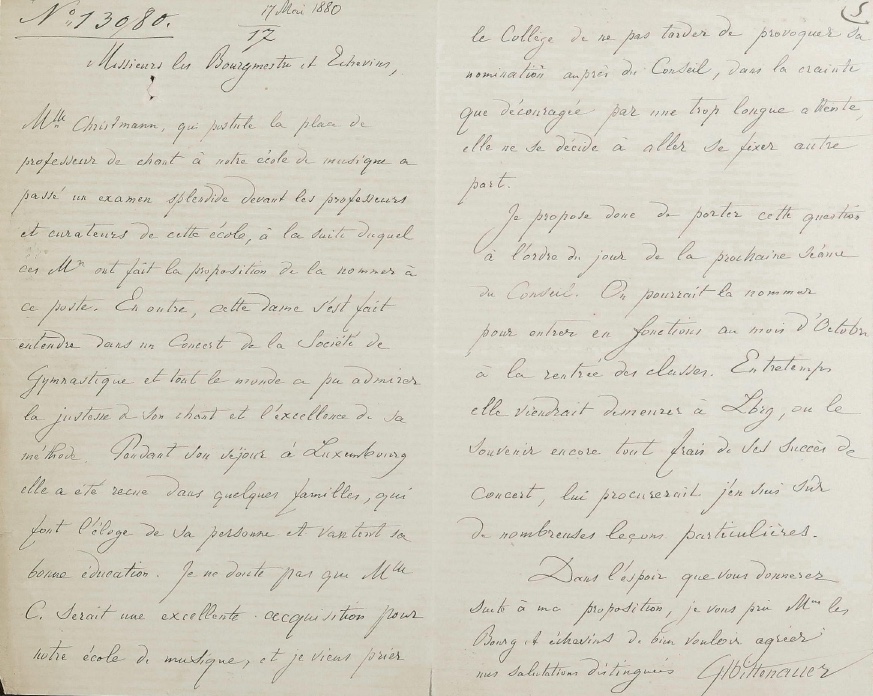
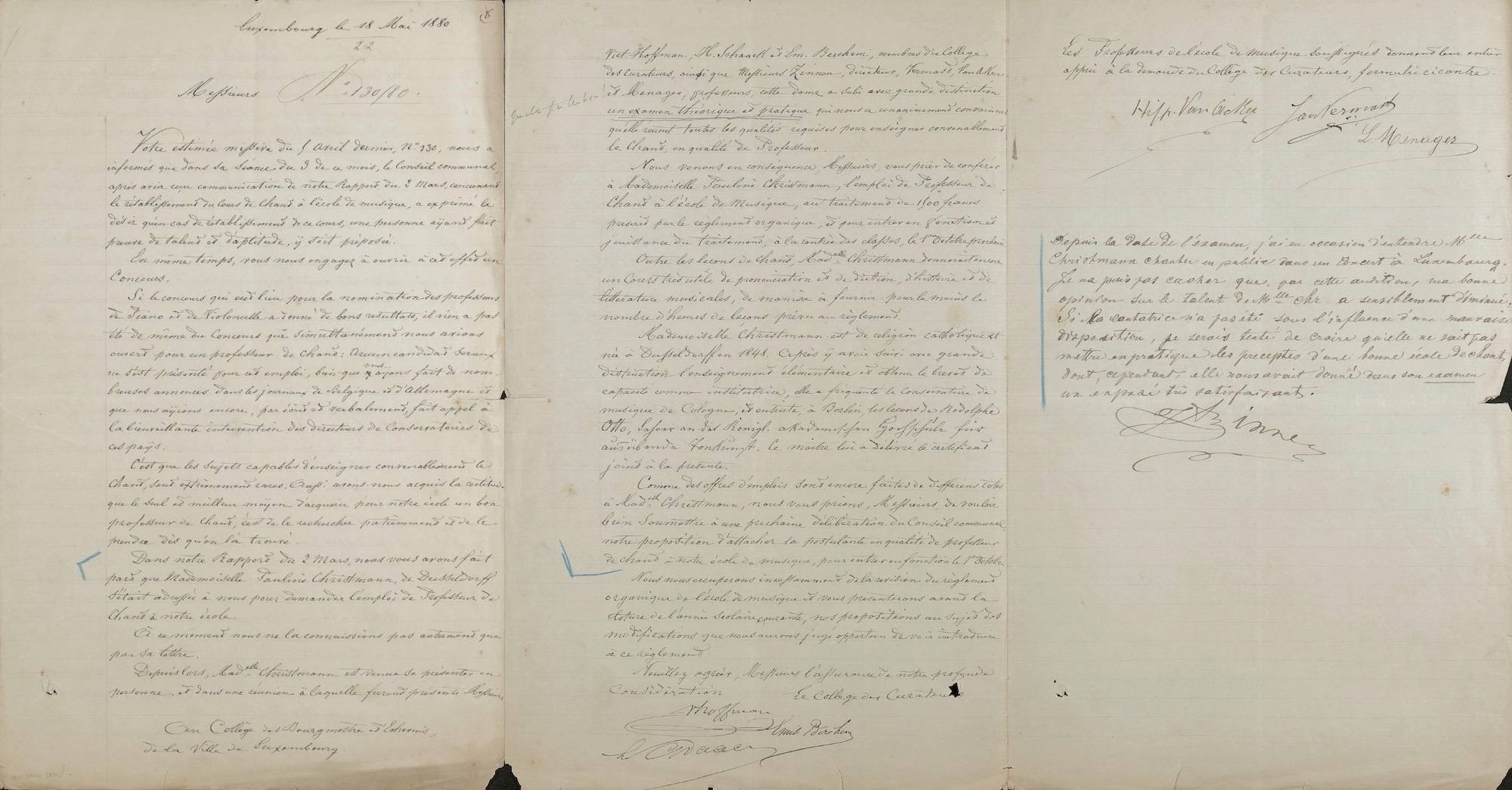
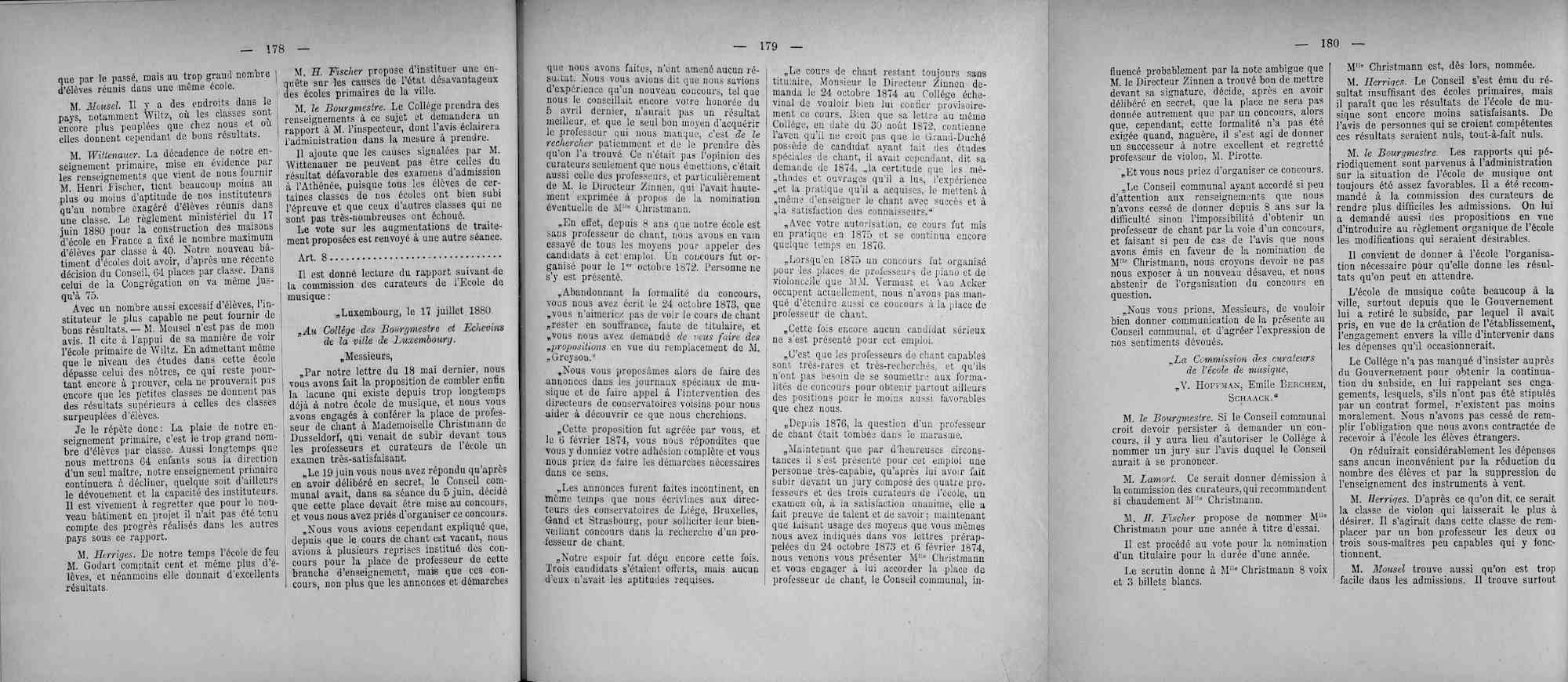
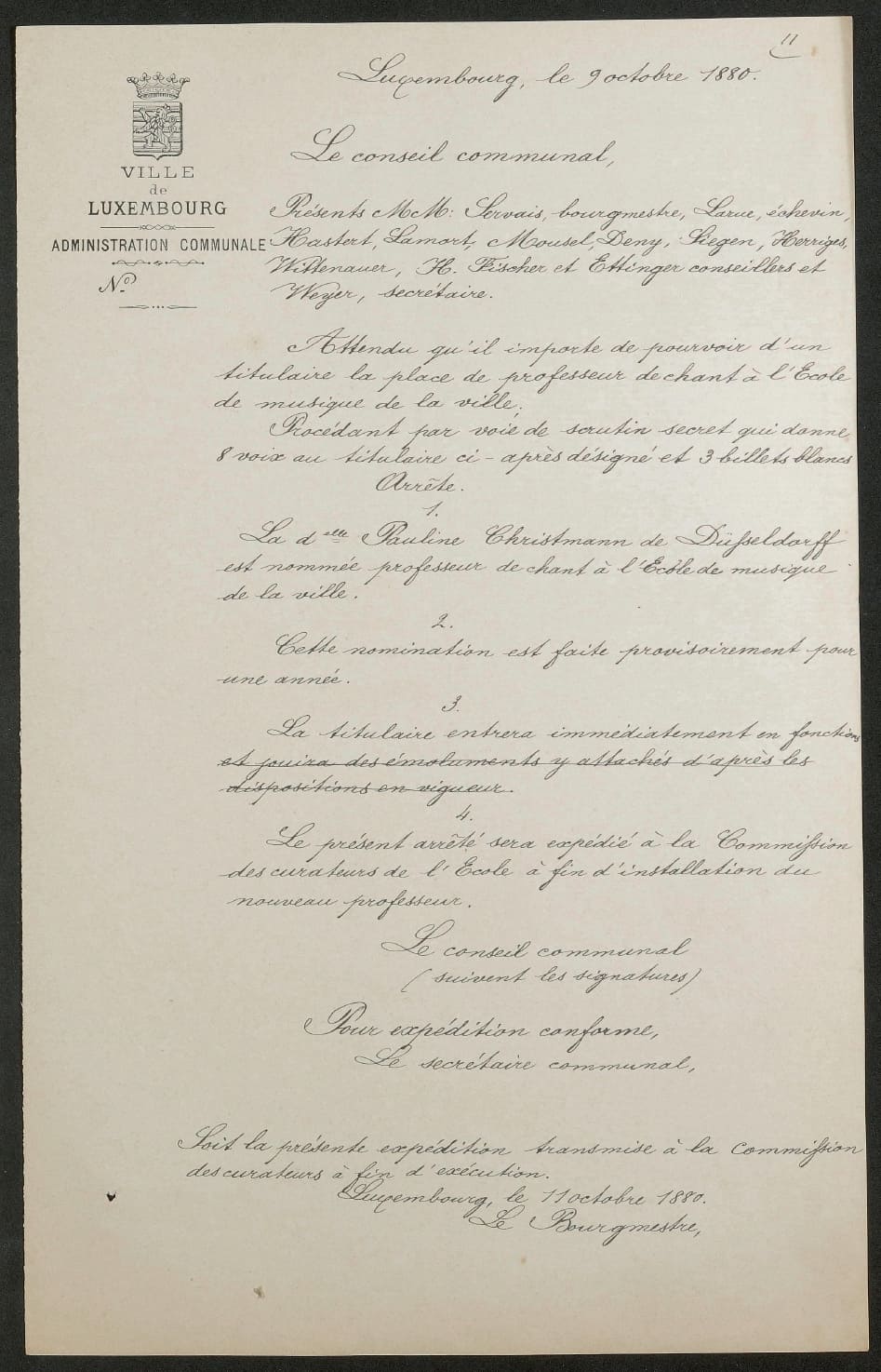
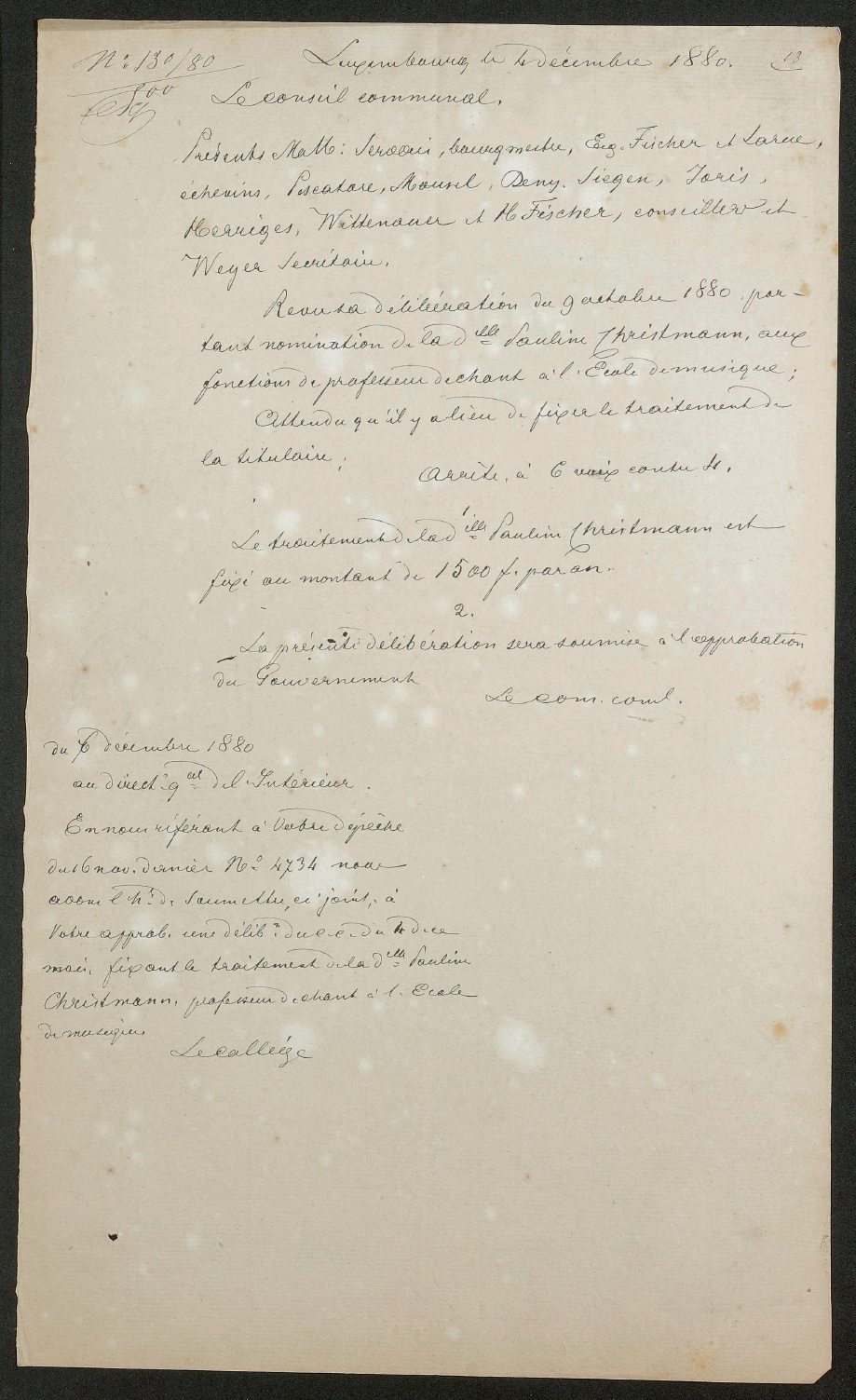
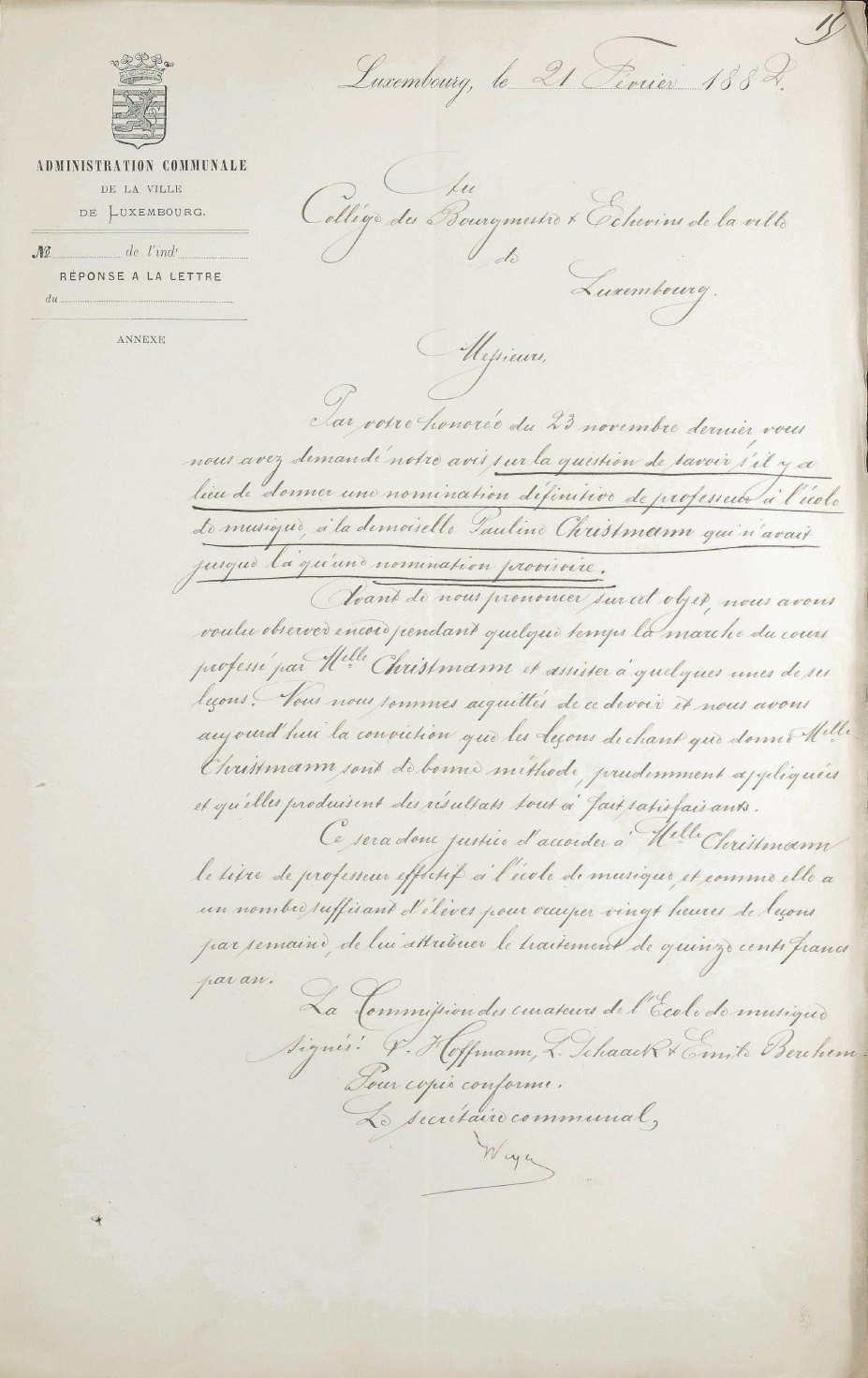
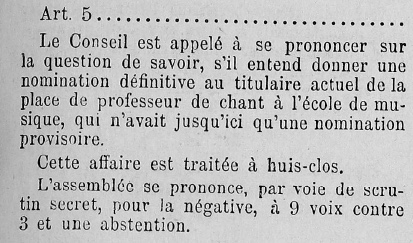
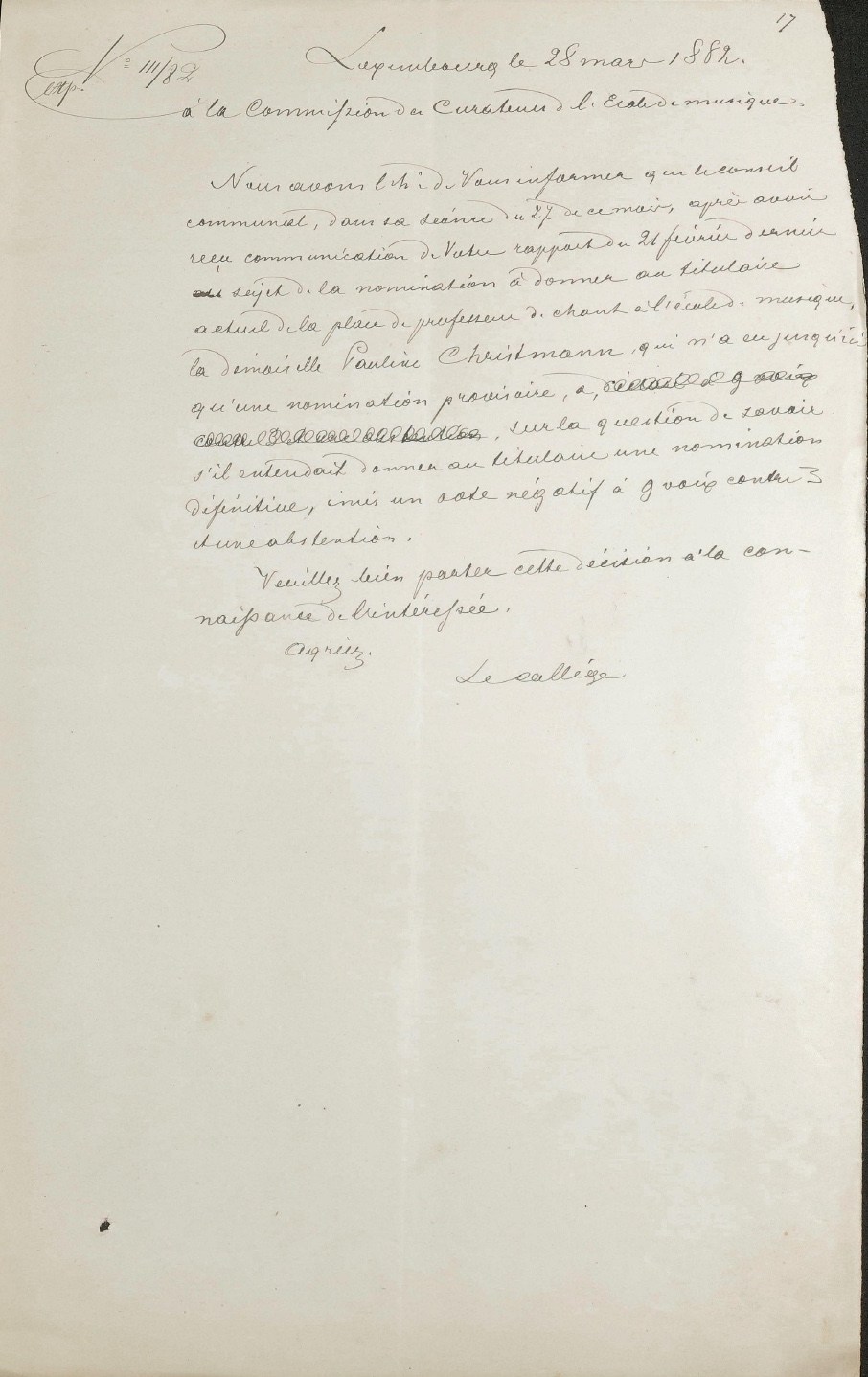
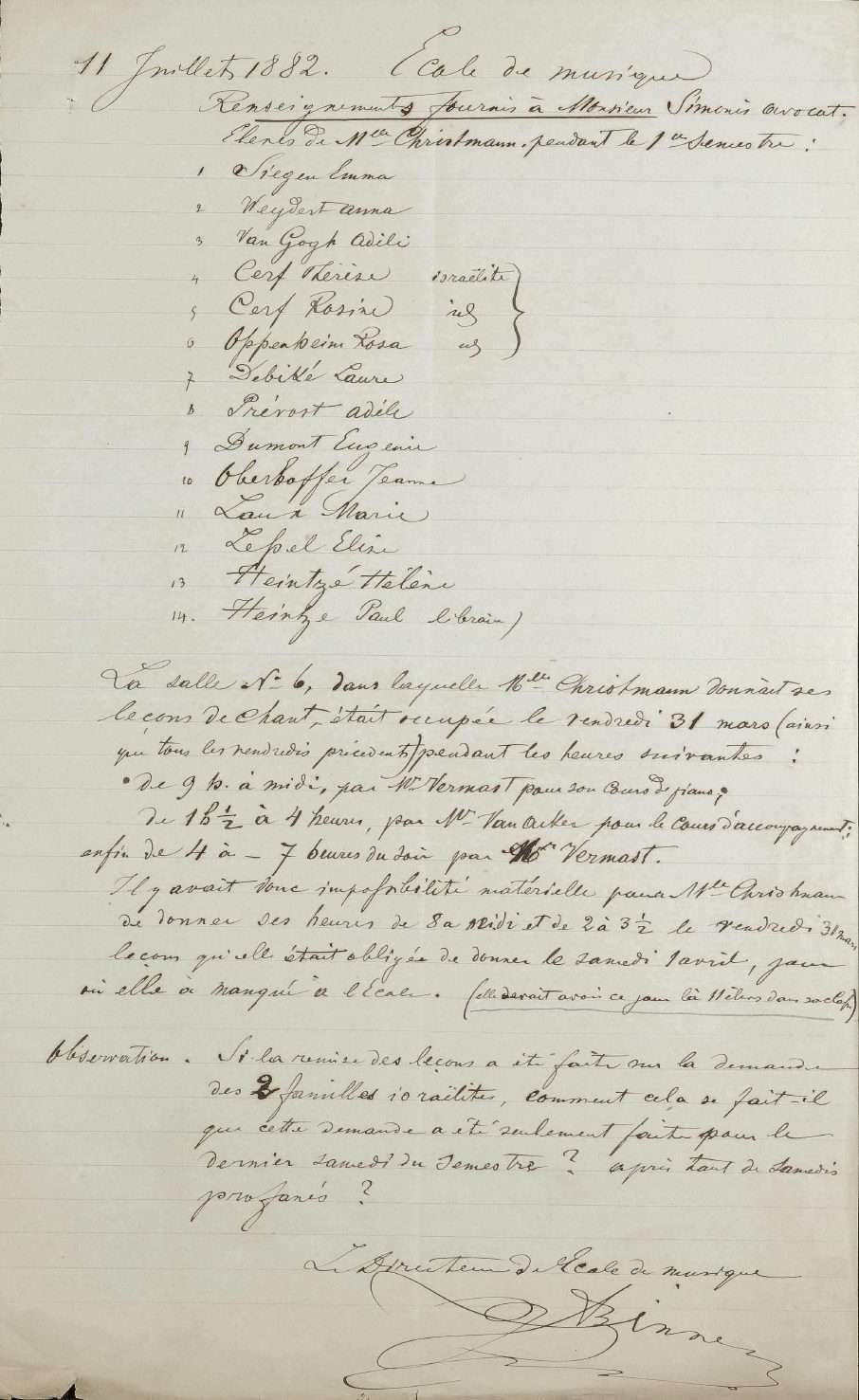
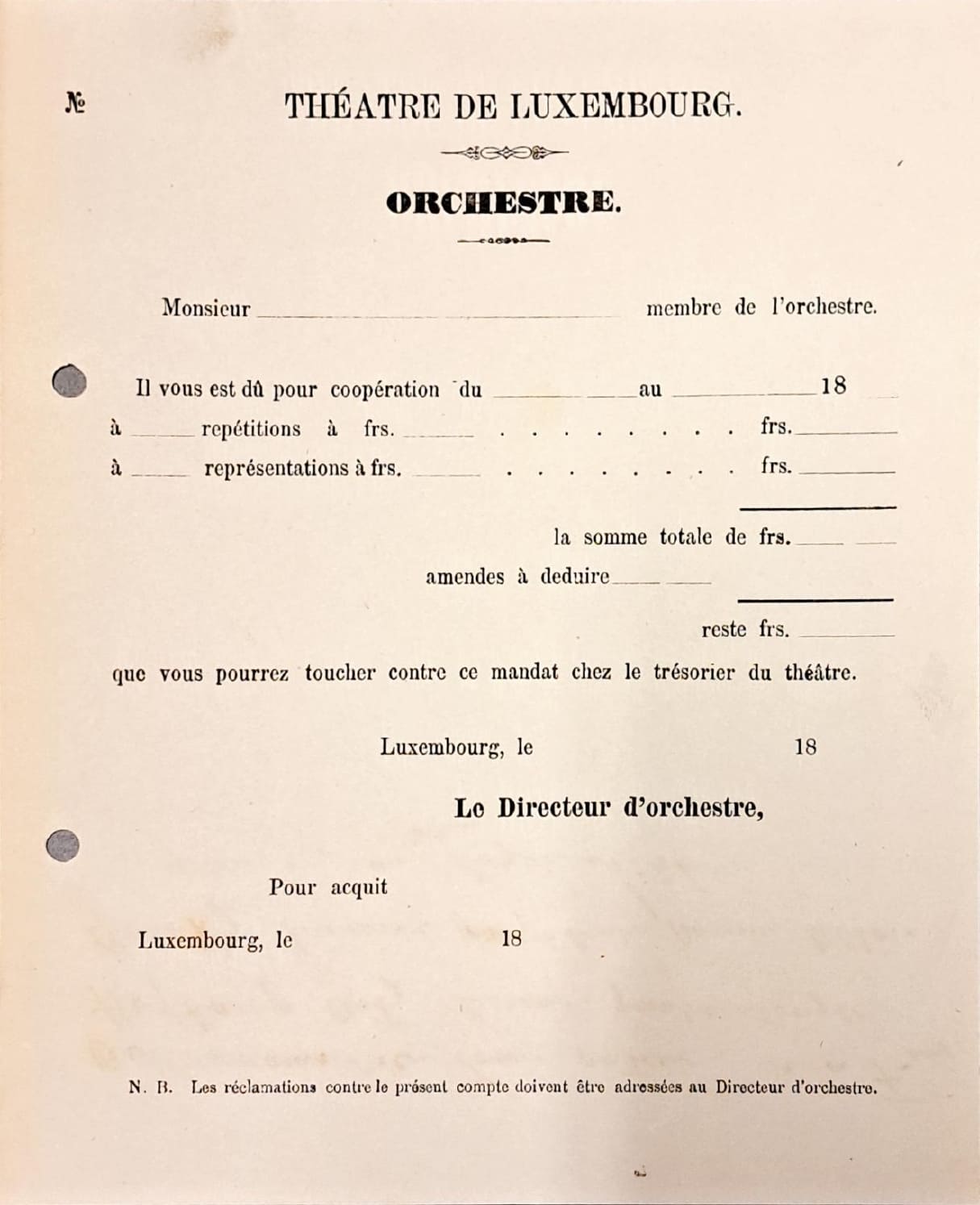
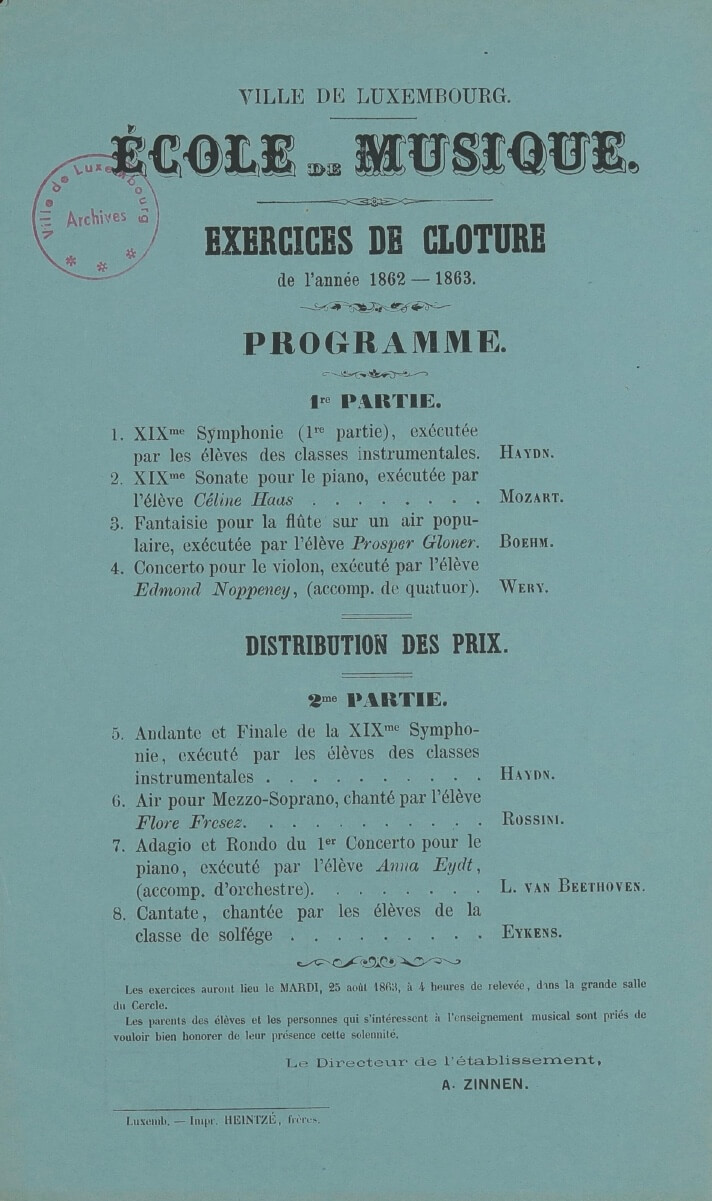
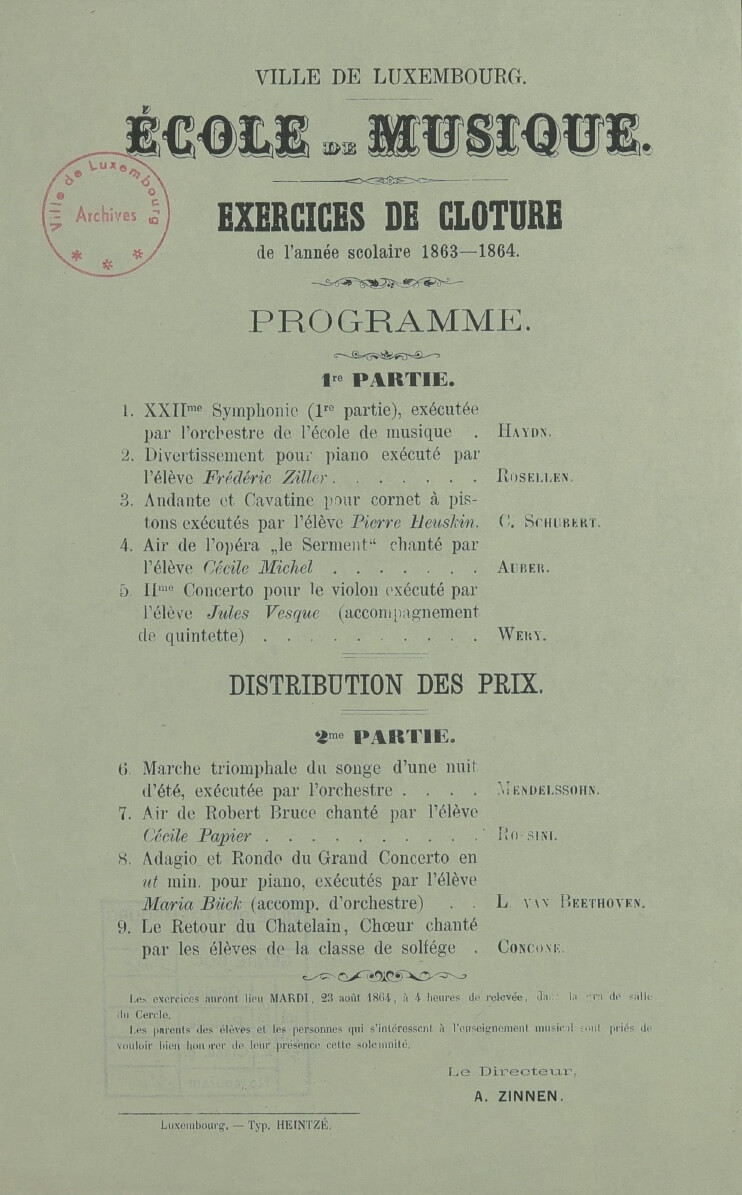
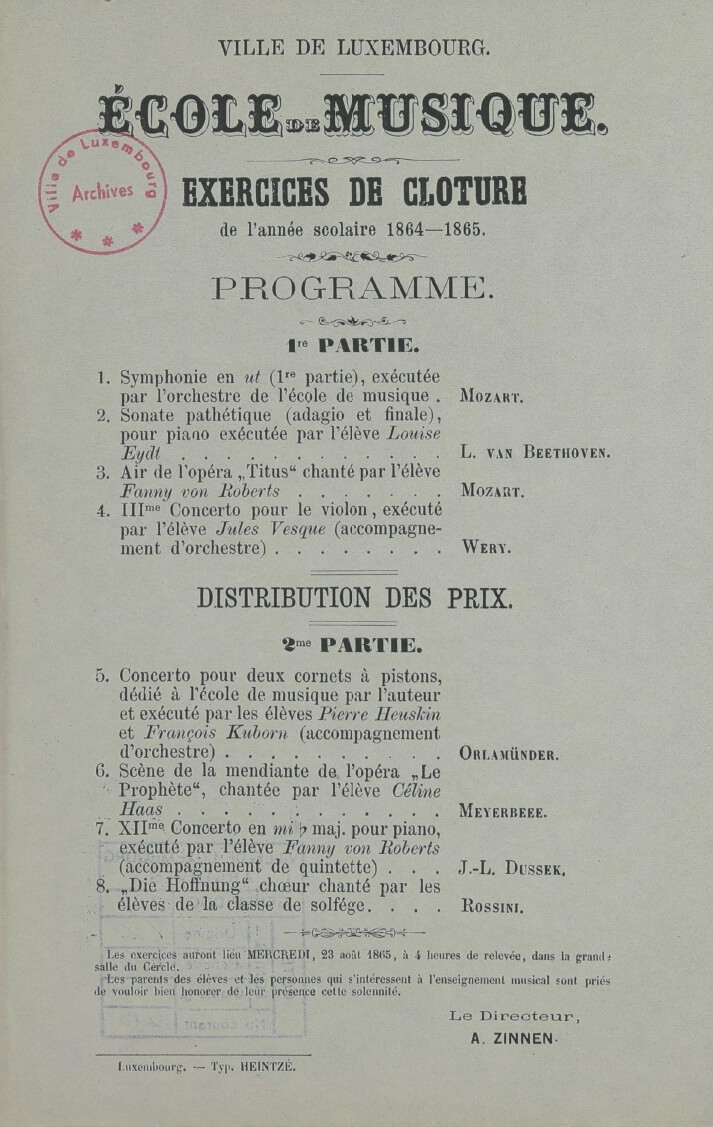
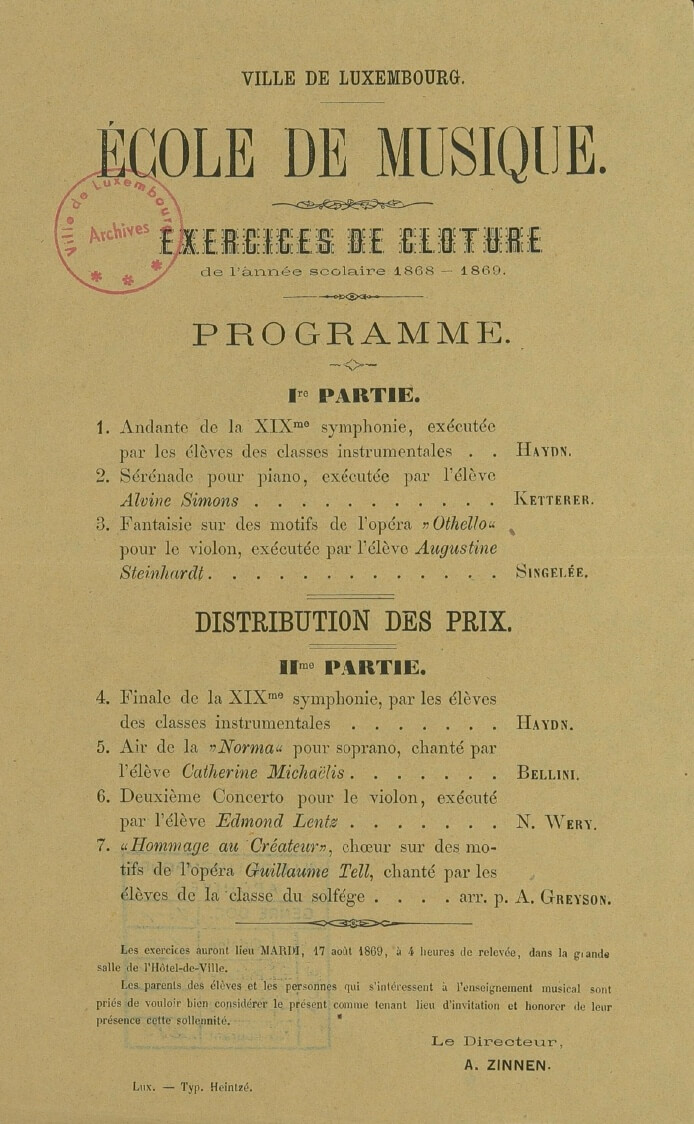
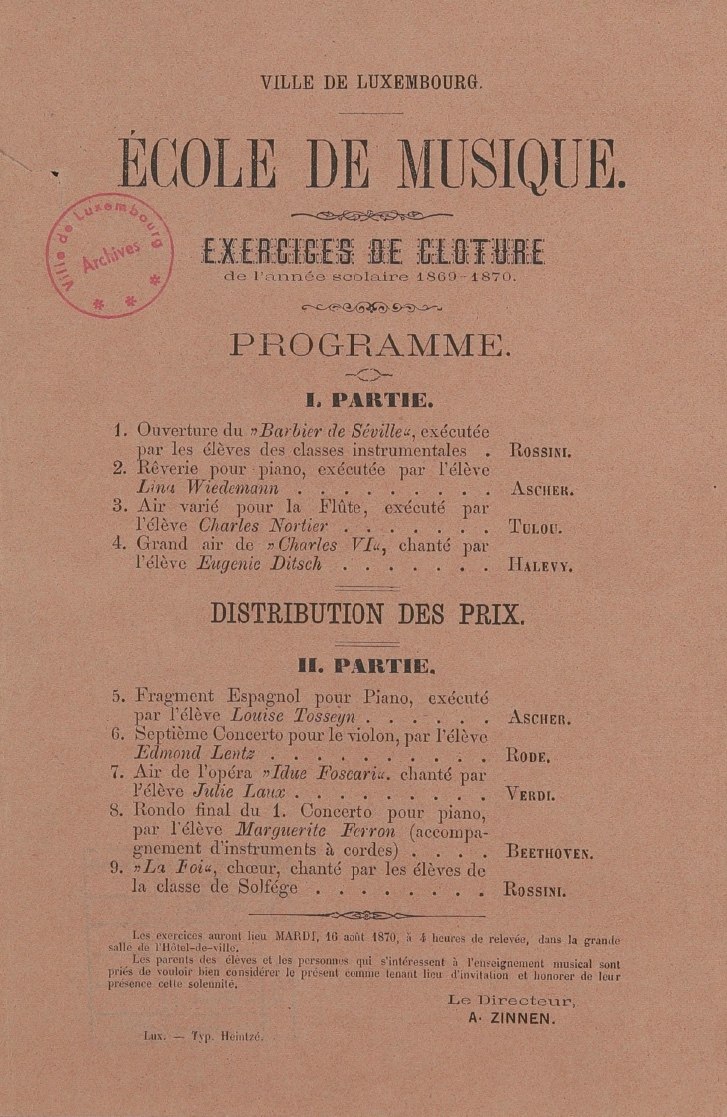
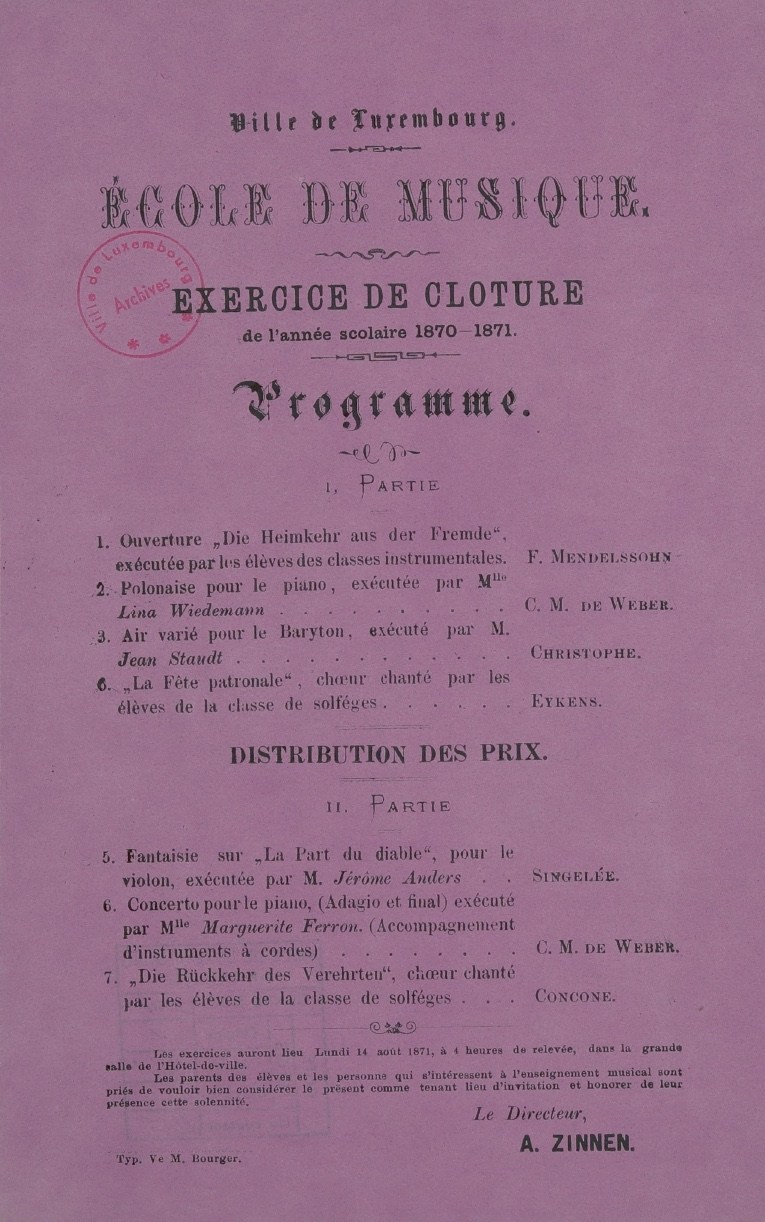
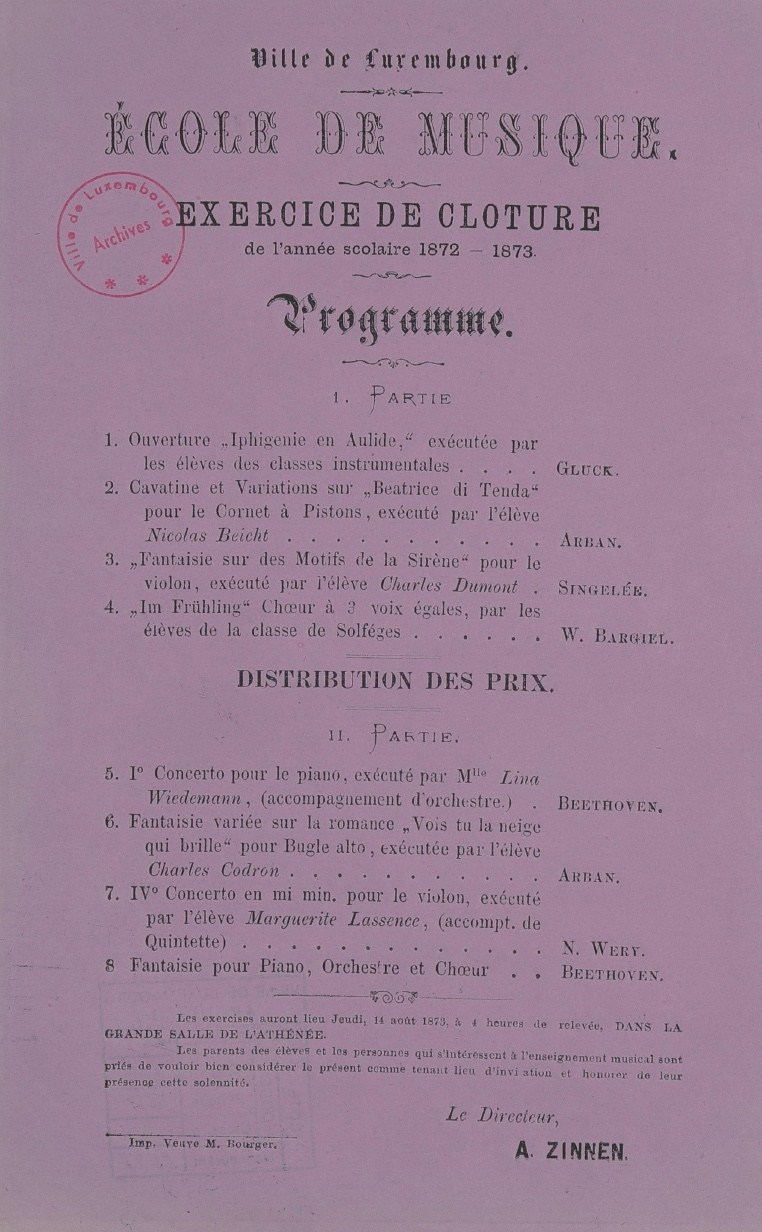
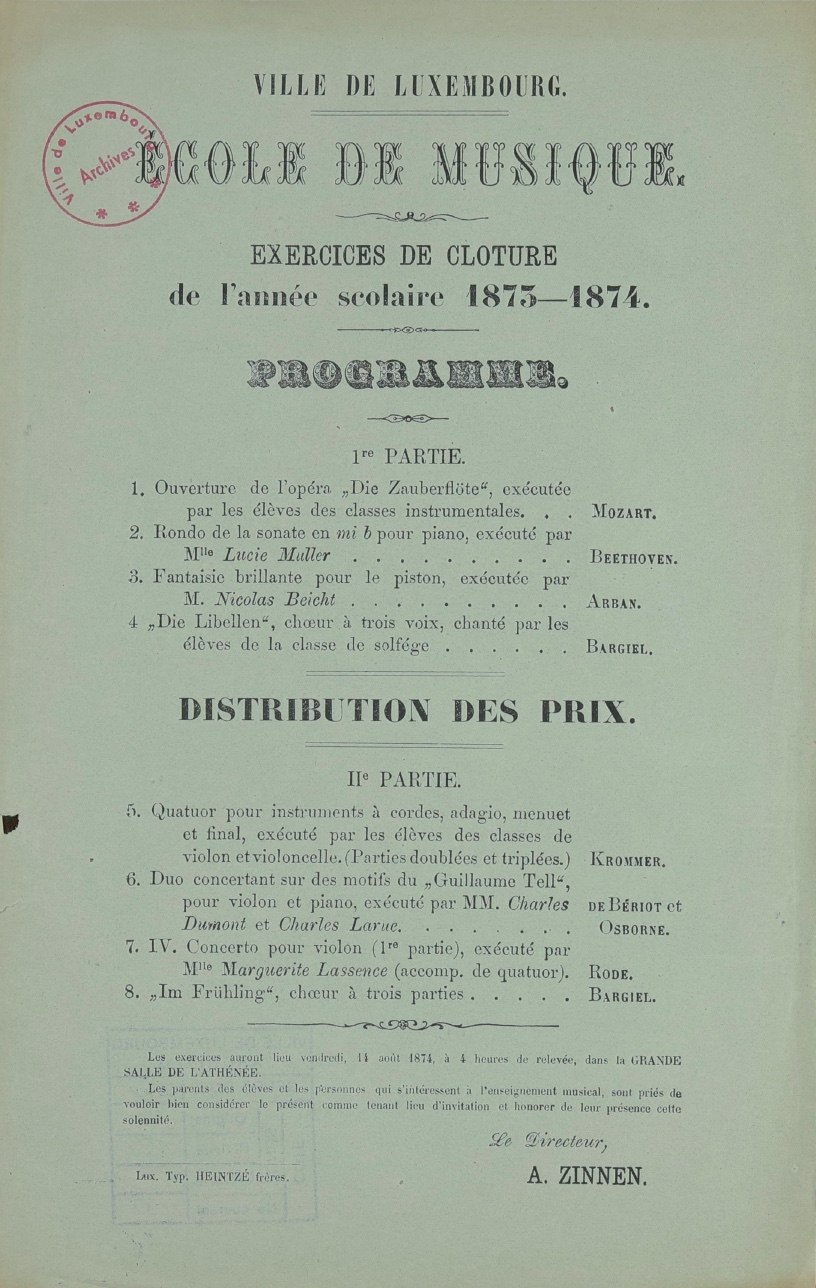
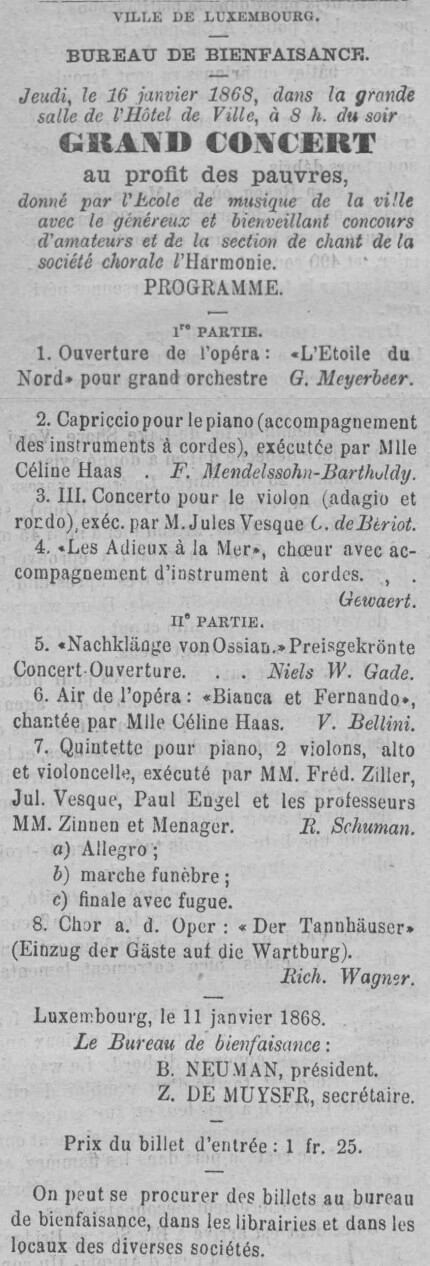
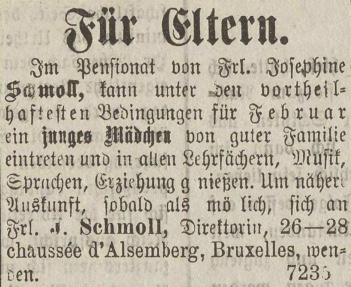
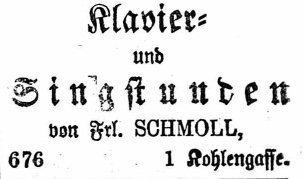
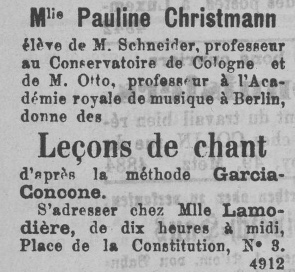
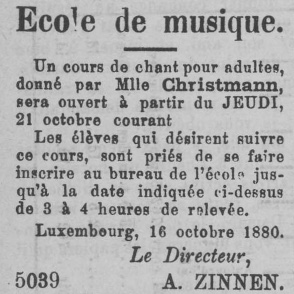
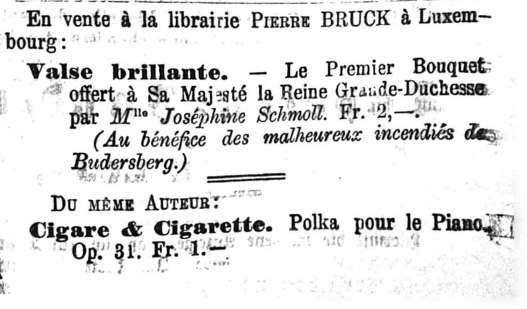
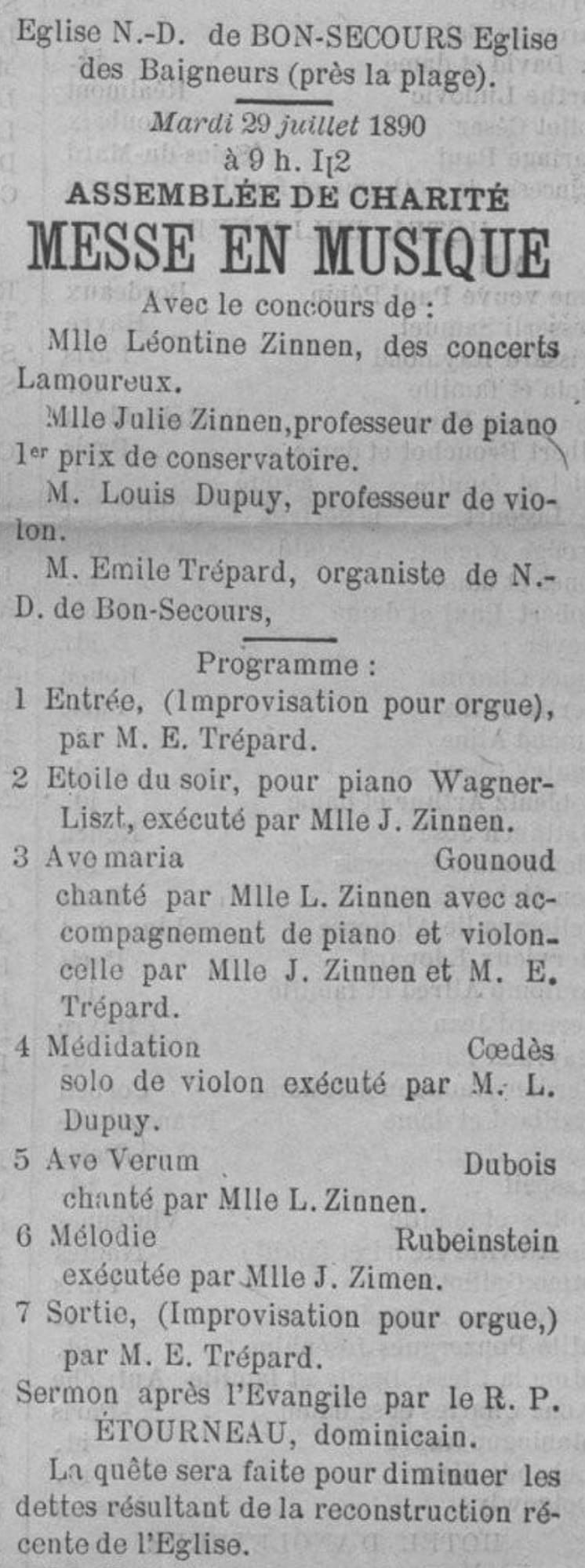
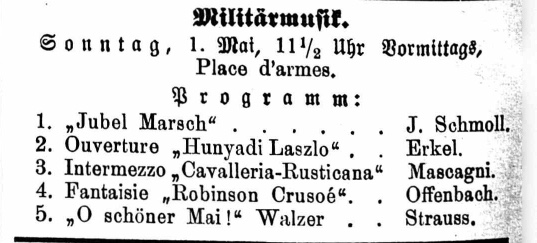
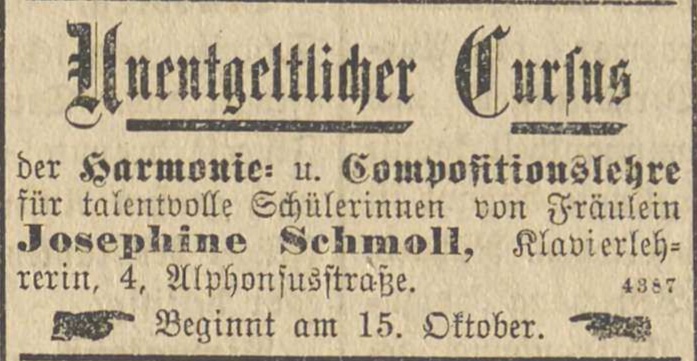
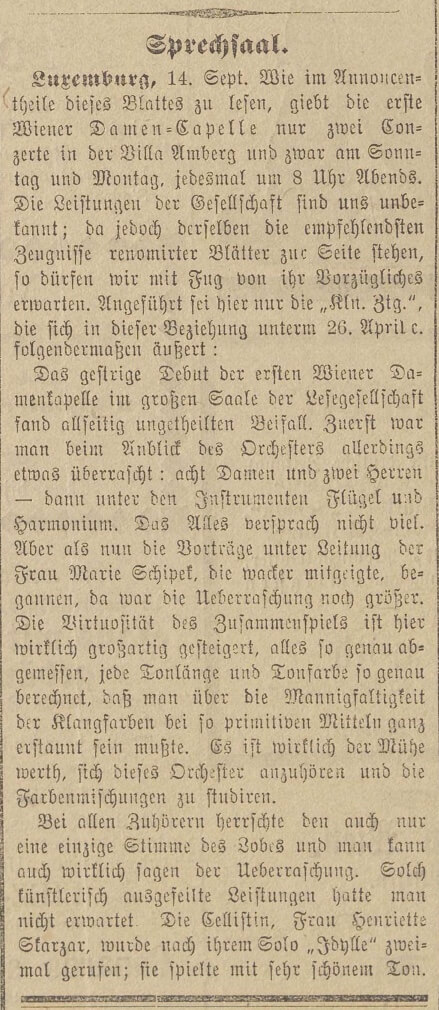
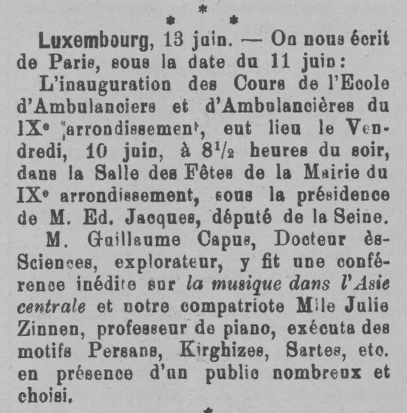
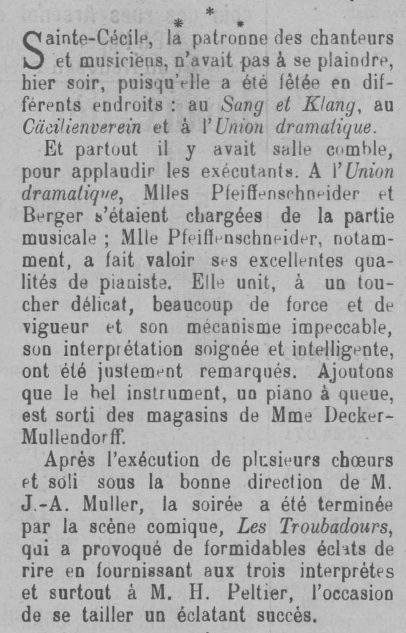
Between 1850 and 1882, a total of 13 women worked at the Luxembourg Music School, mostly as lower-paid piano “répétitrices” (tutors). One of the best-known music teachers in Luxembourg City, who also offered private lessons, was the composer Joséphine Schmoll (1836–1925), whose scores are presented here. New recordings of her work, commissioned by MuGi.lu, can be heard in the MUSIC gallery. It was not until 1880 that a woman, the singer Pauline Christmann (1848–1910), was appointed as a full “professor” for the first time. The court case mentioned above concerns precisely this musician, who was to become a women’s rights advocate. Other women also spoke up for themselves: surviving documents include applications, complaints about remuneration or denied positions, and petitions concerning pension entitlements.
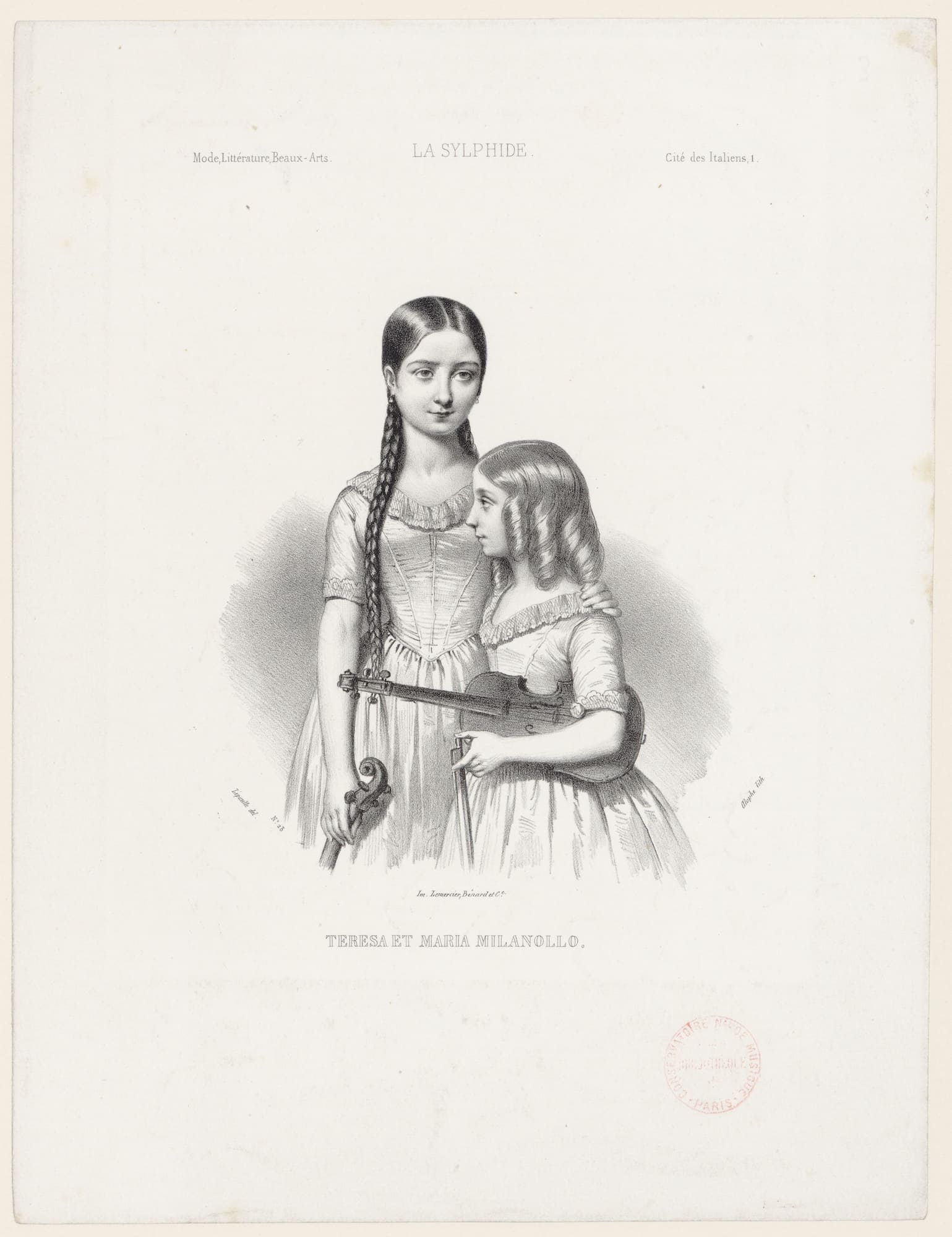
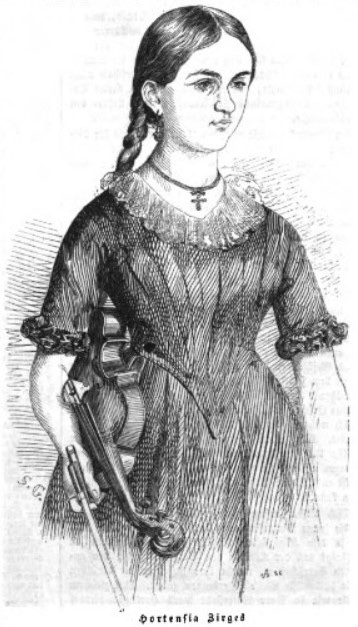
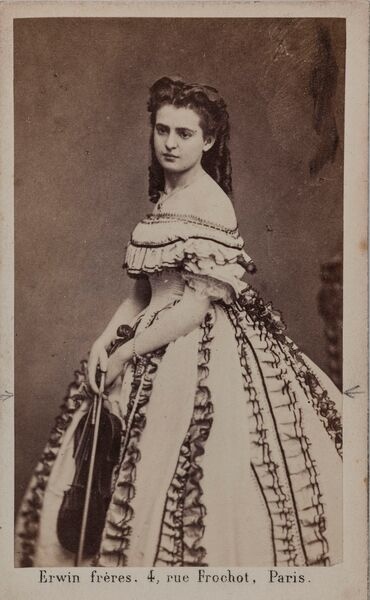
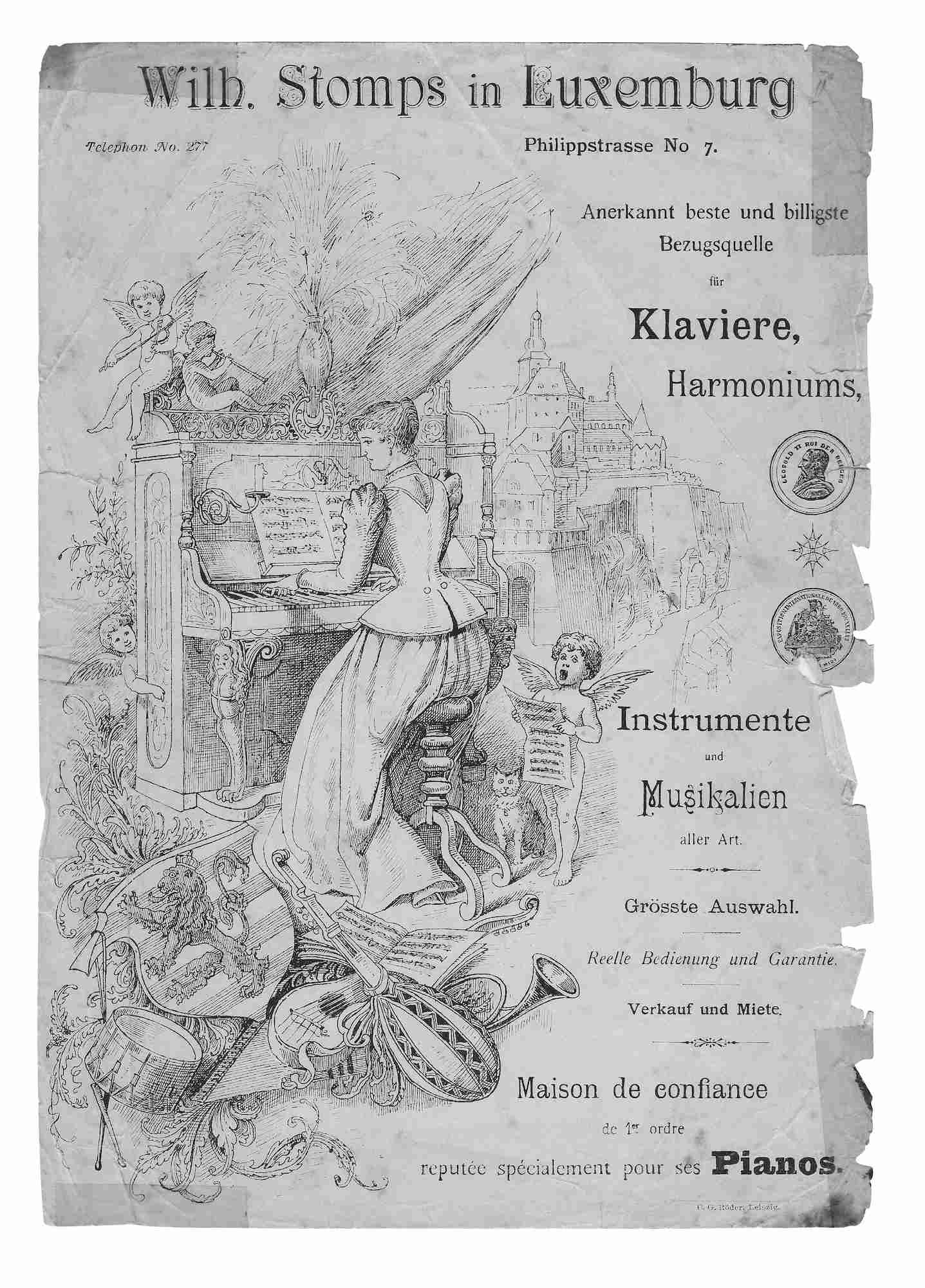
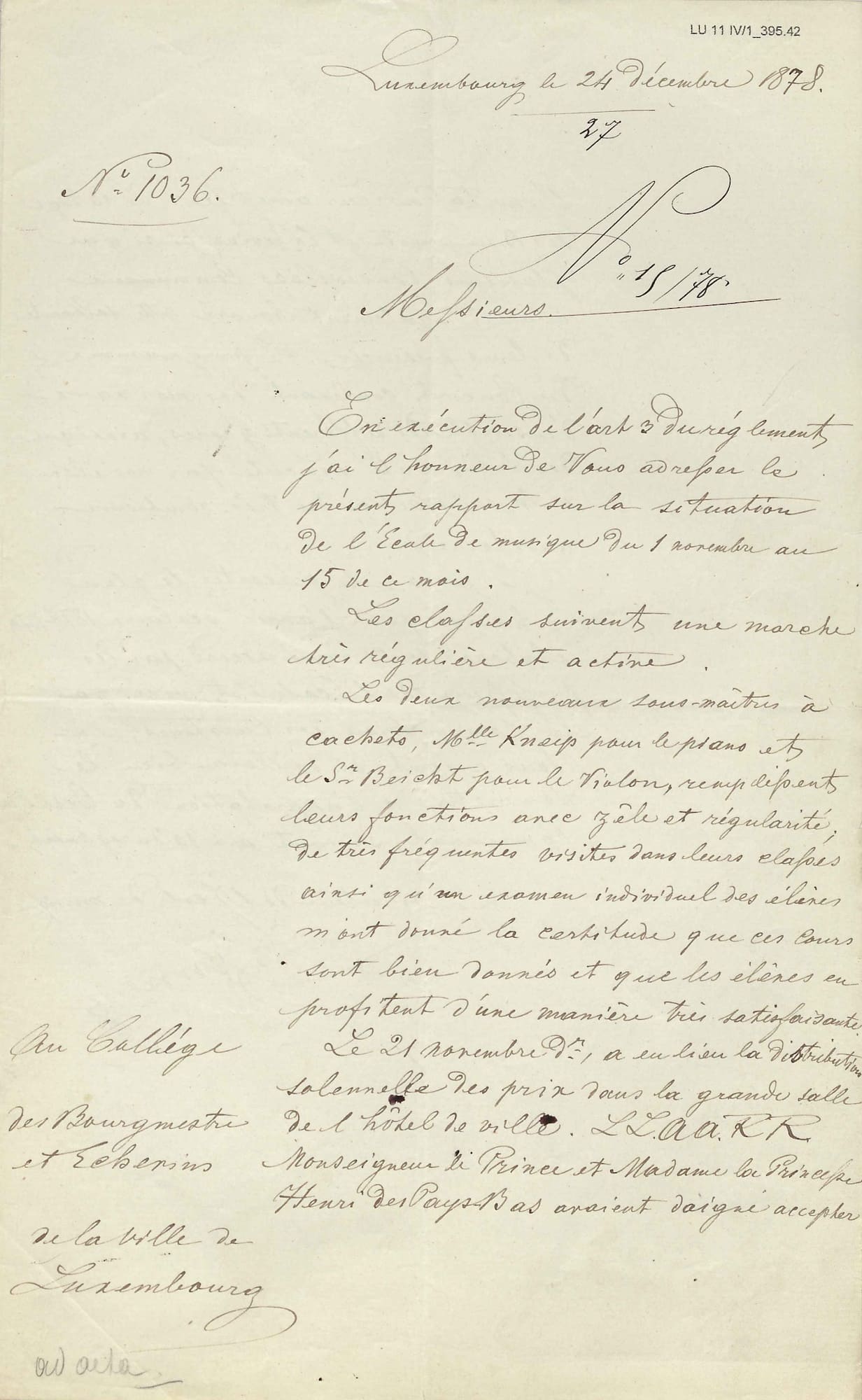
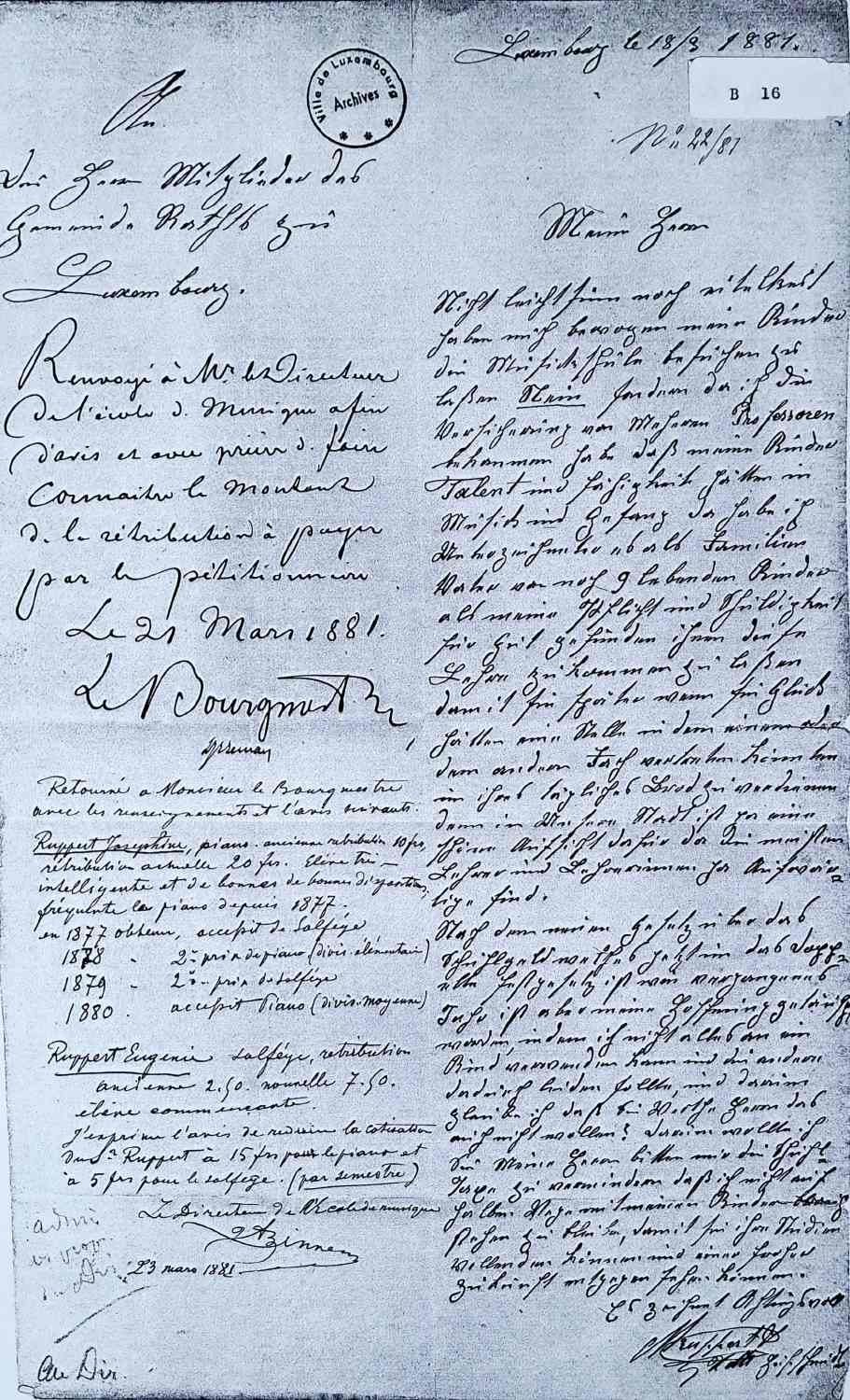
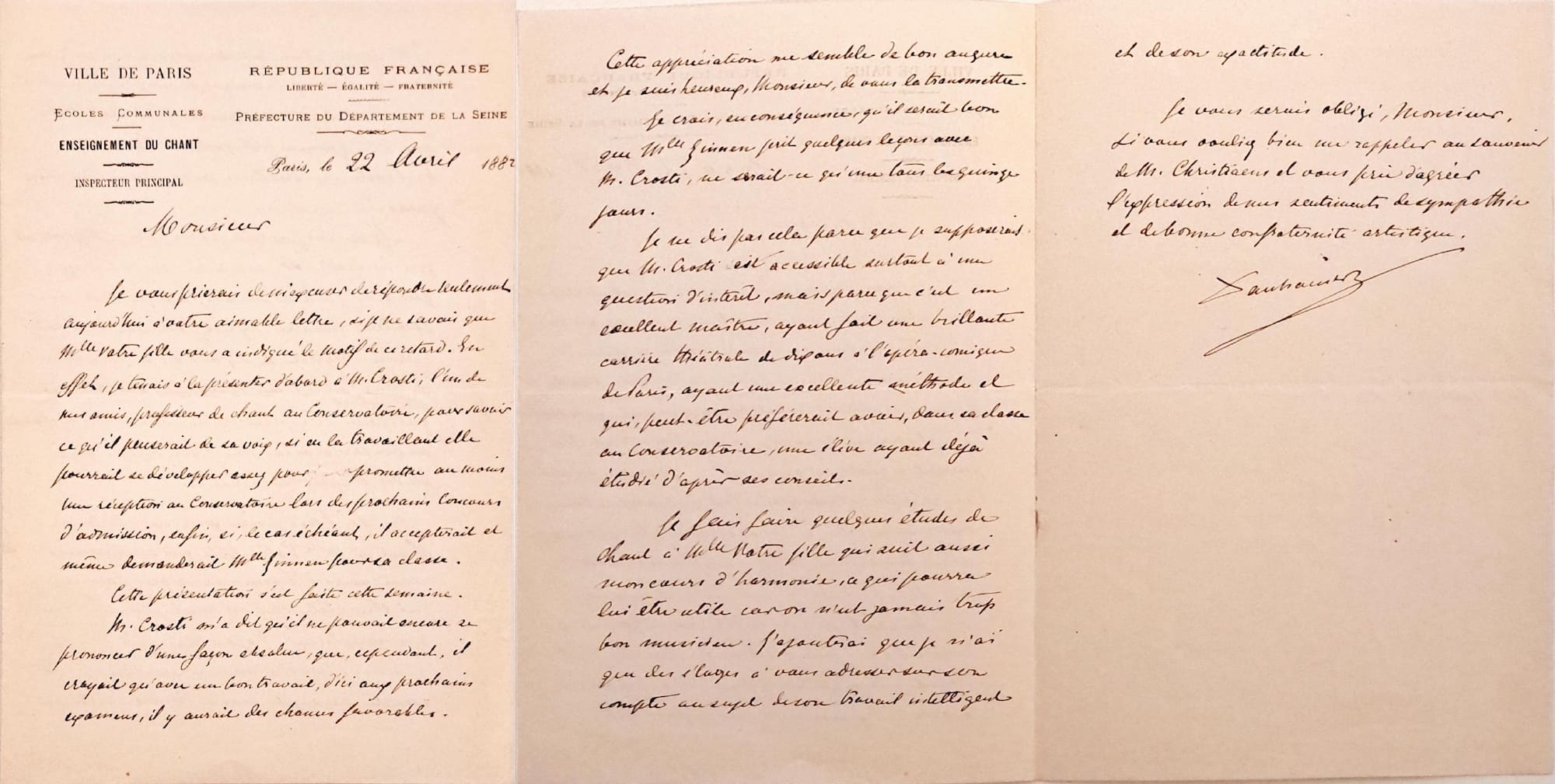
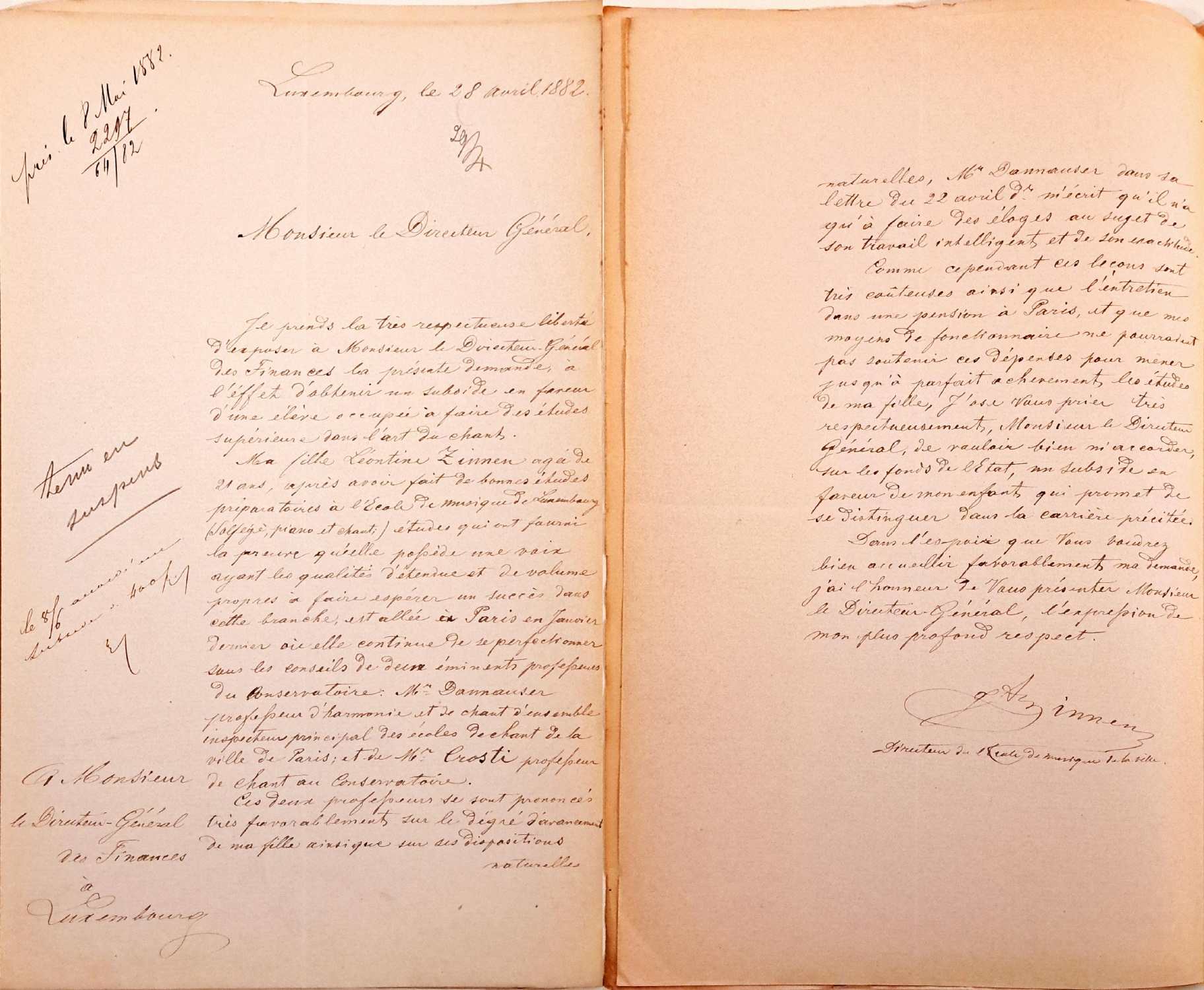
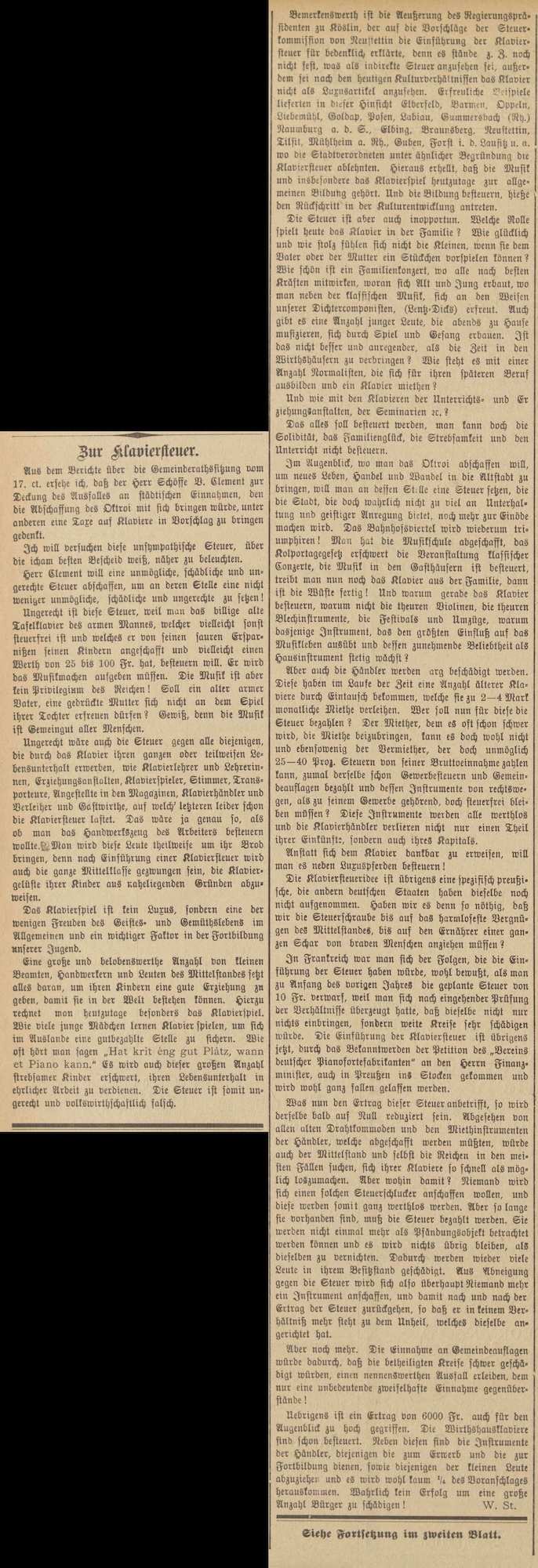
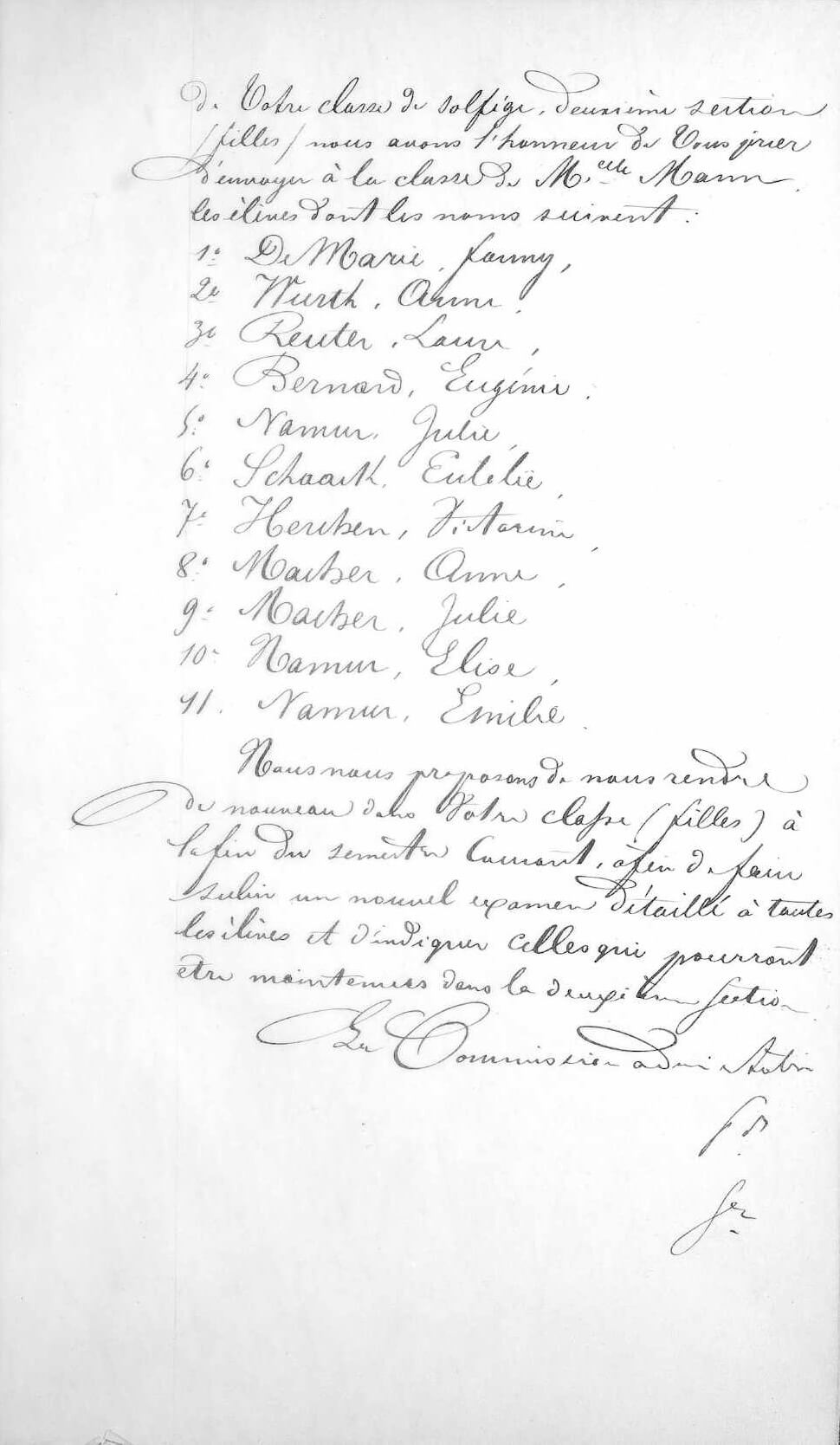
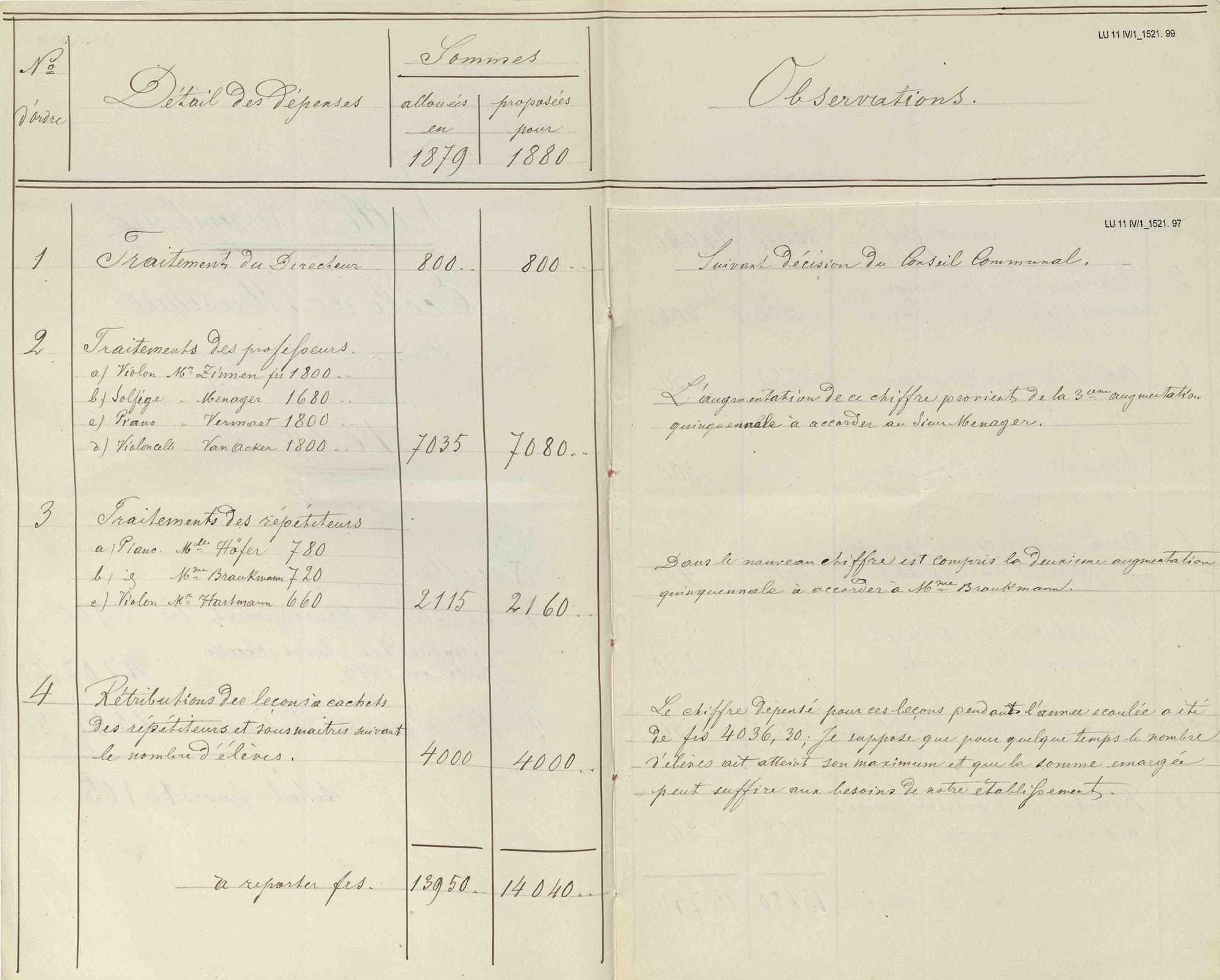
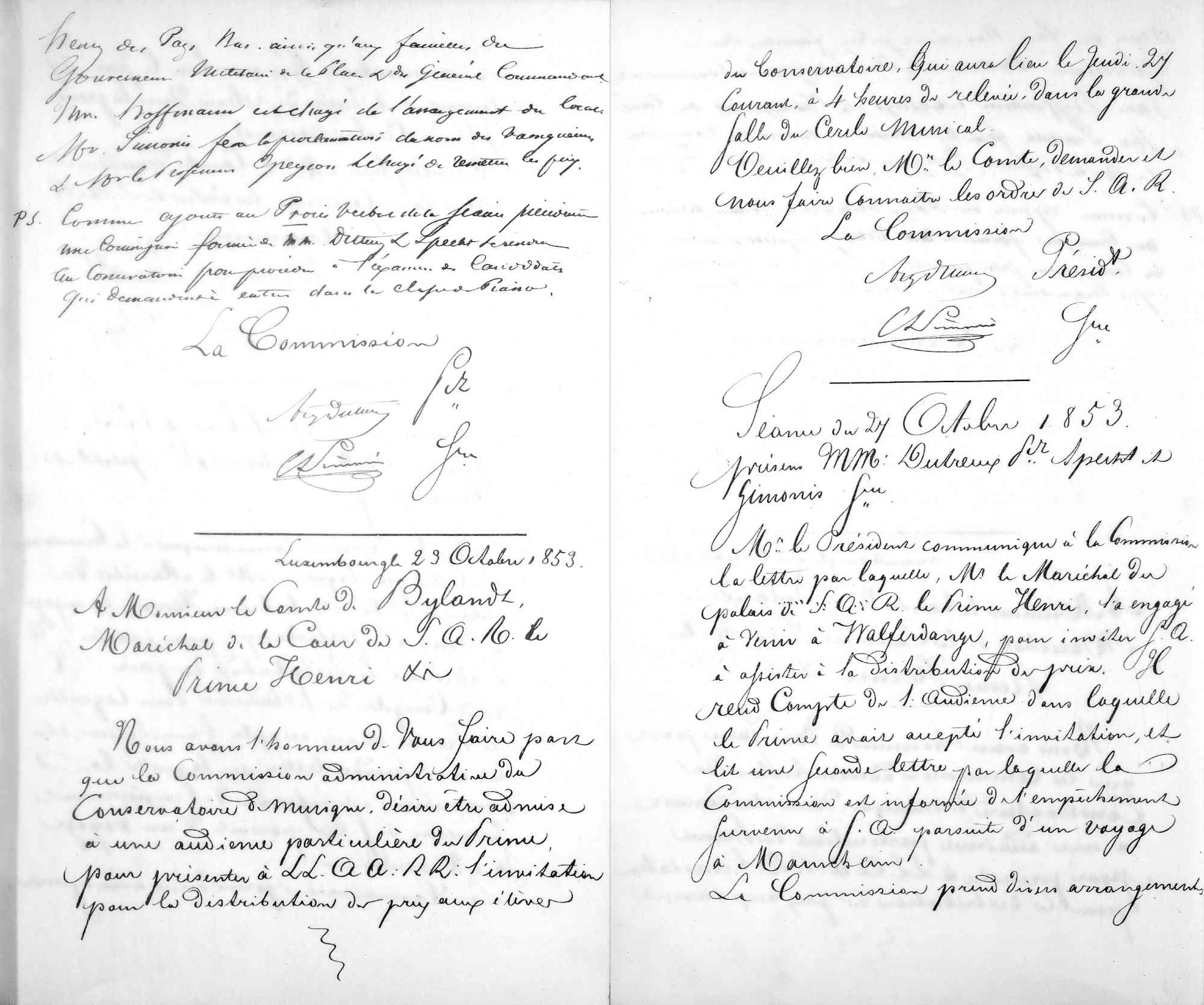
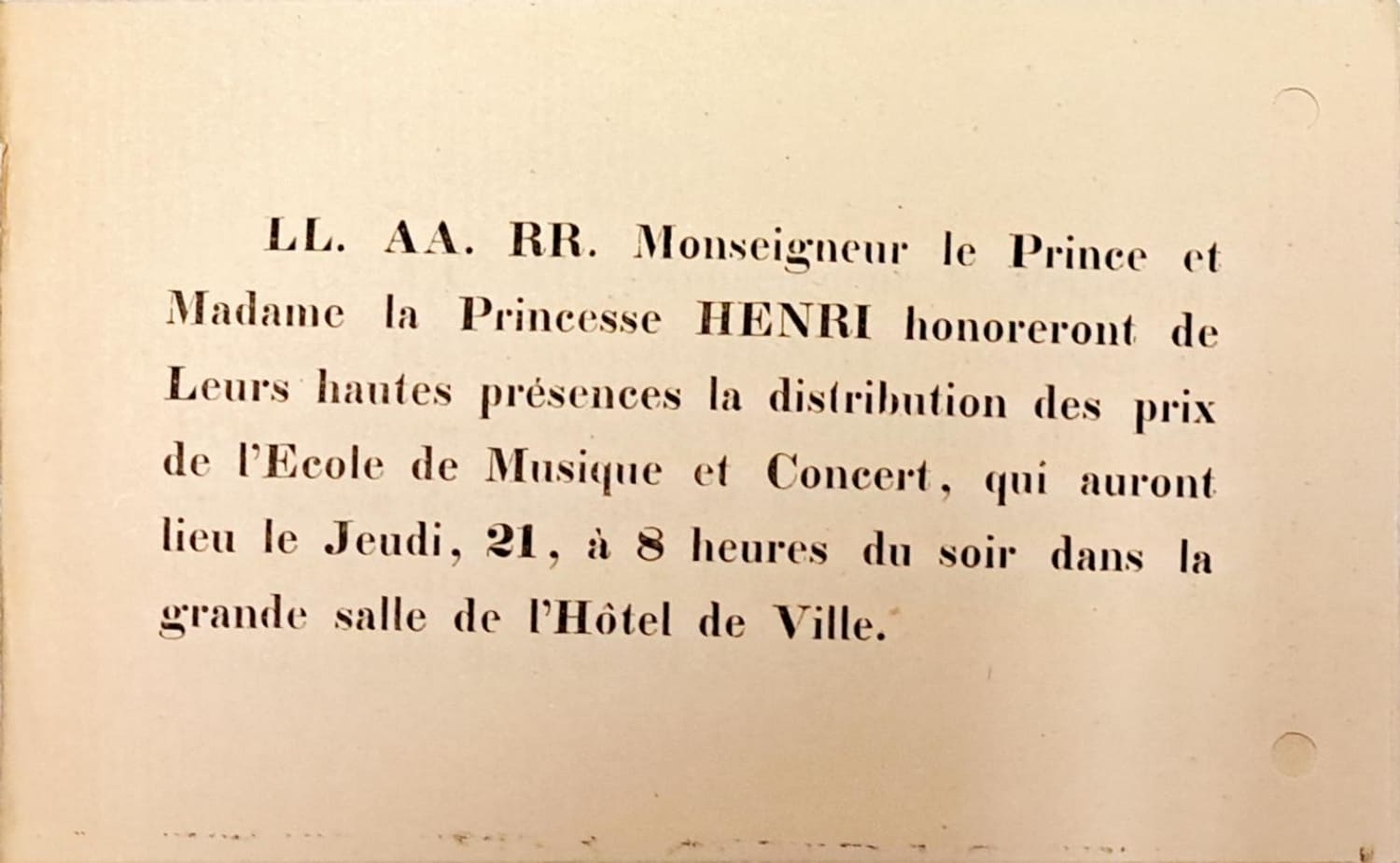
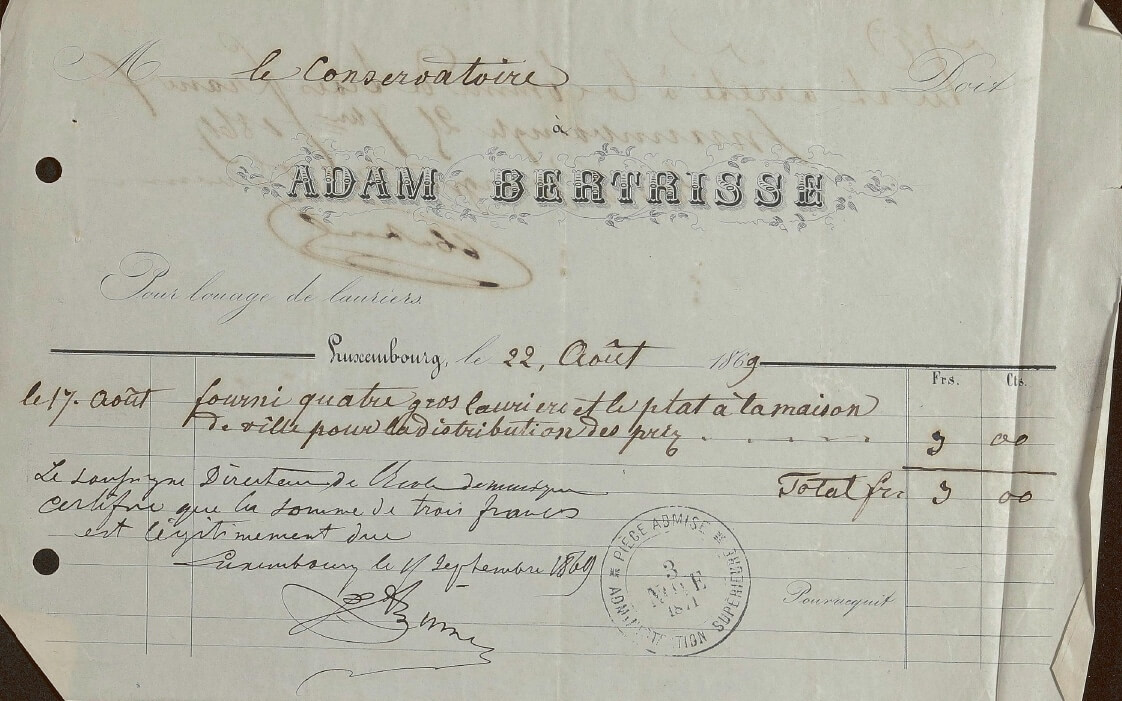
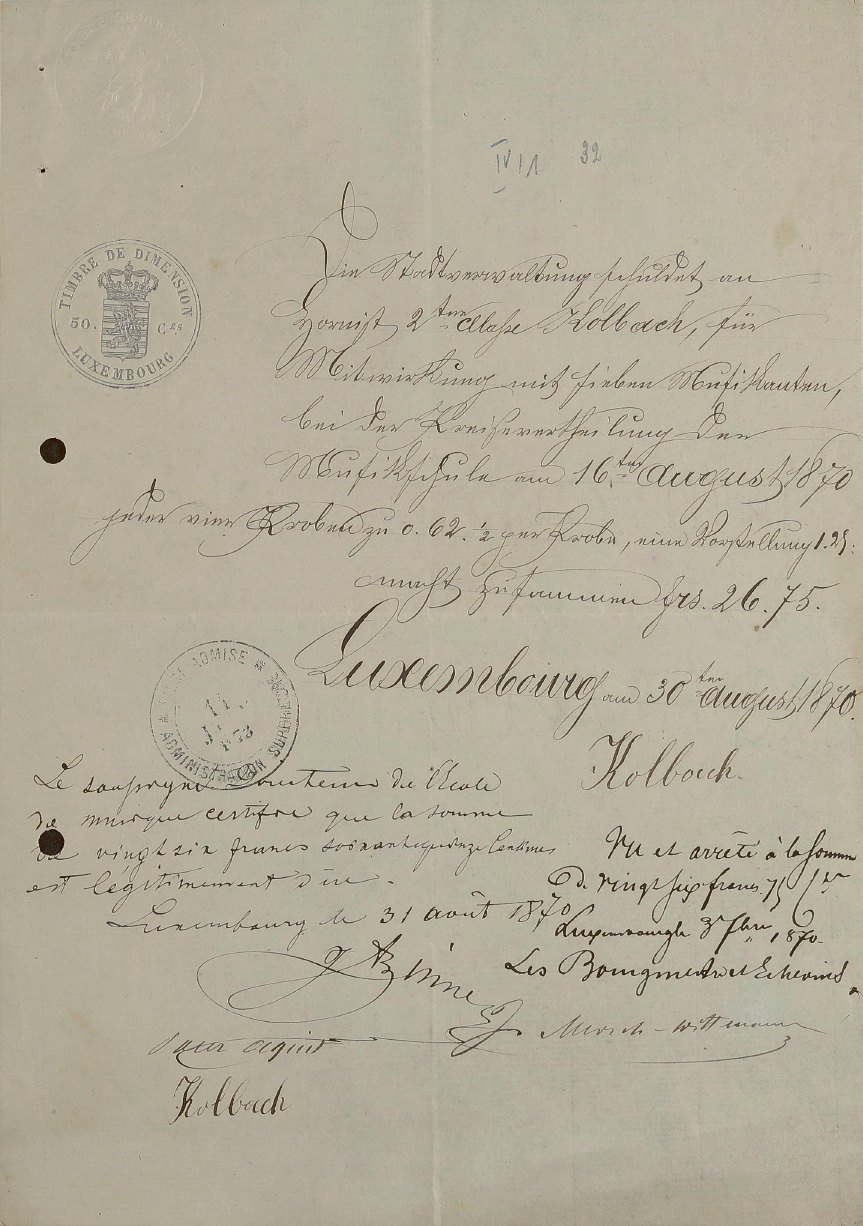
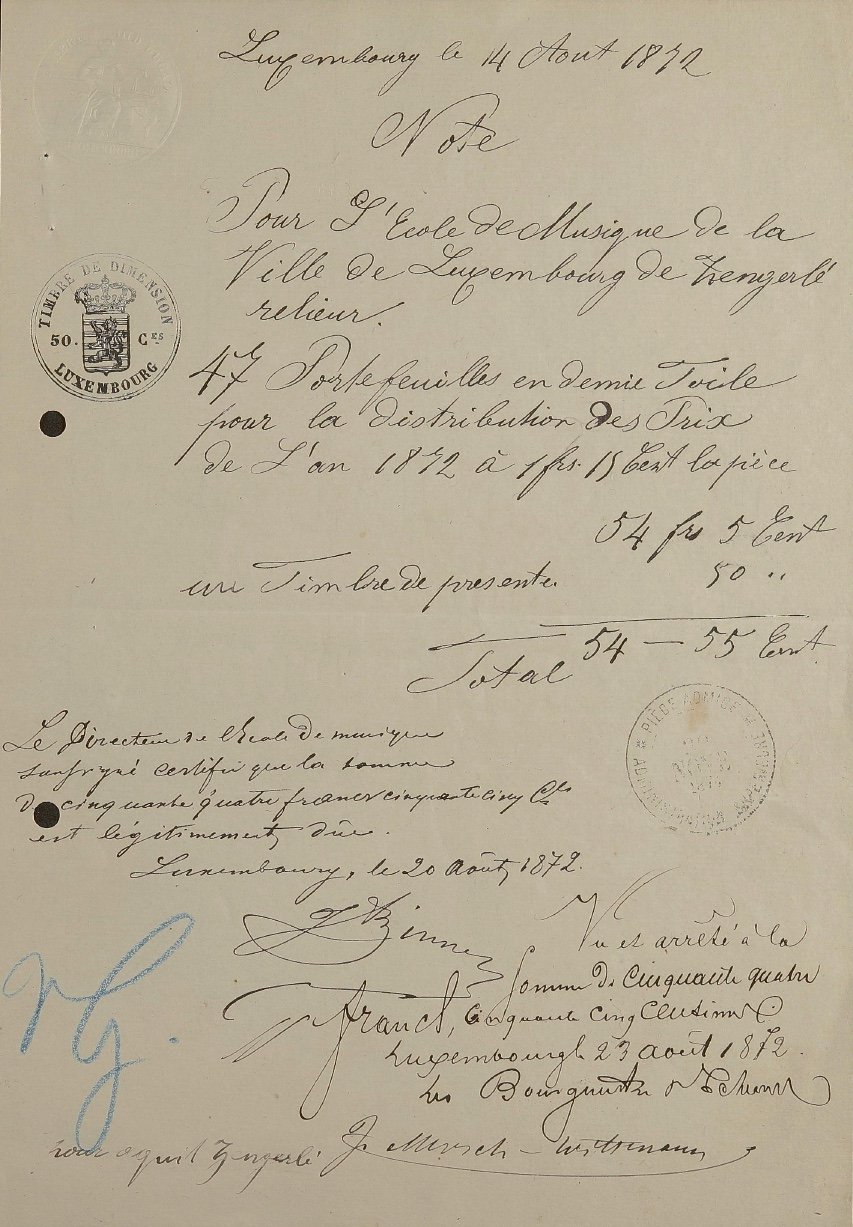
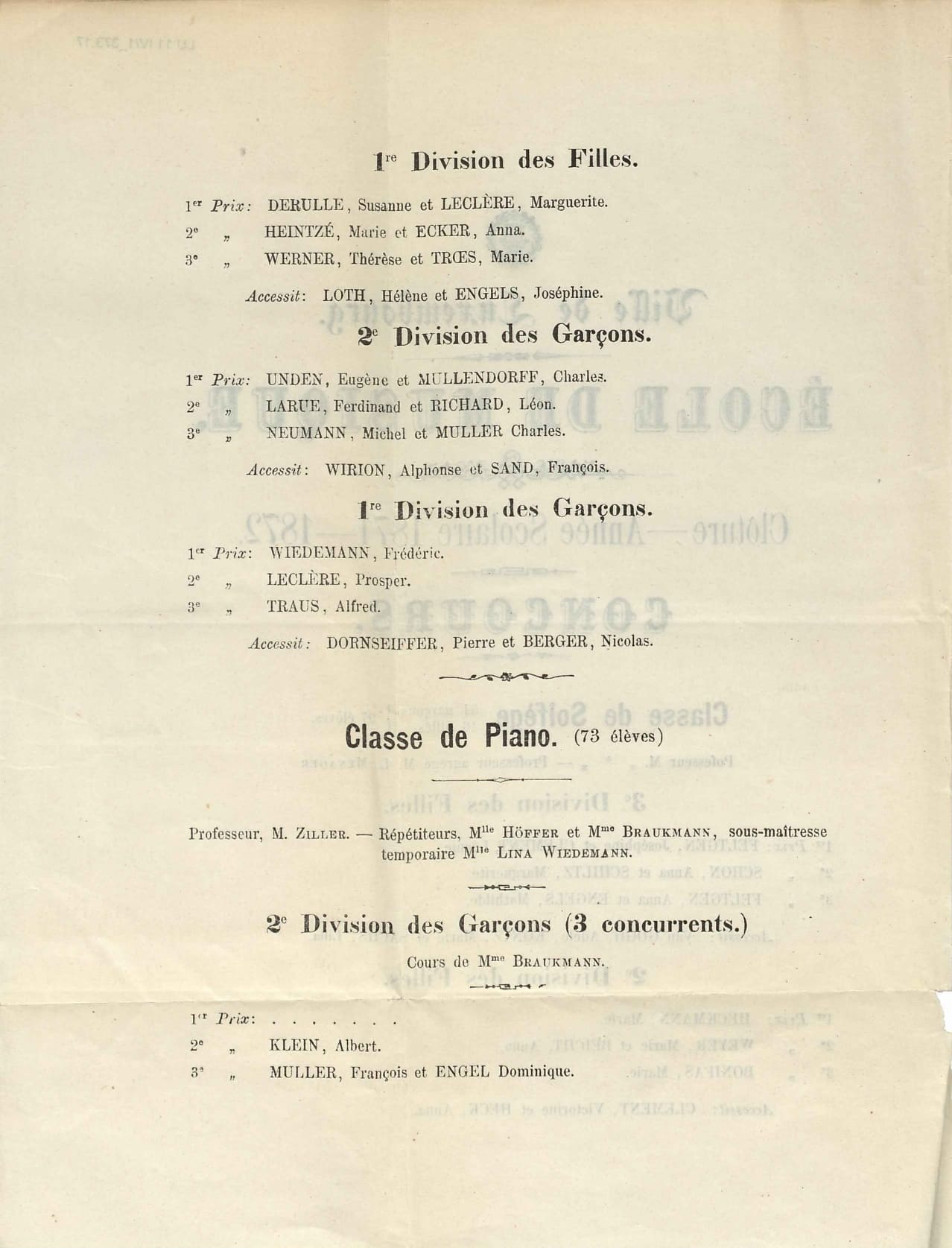
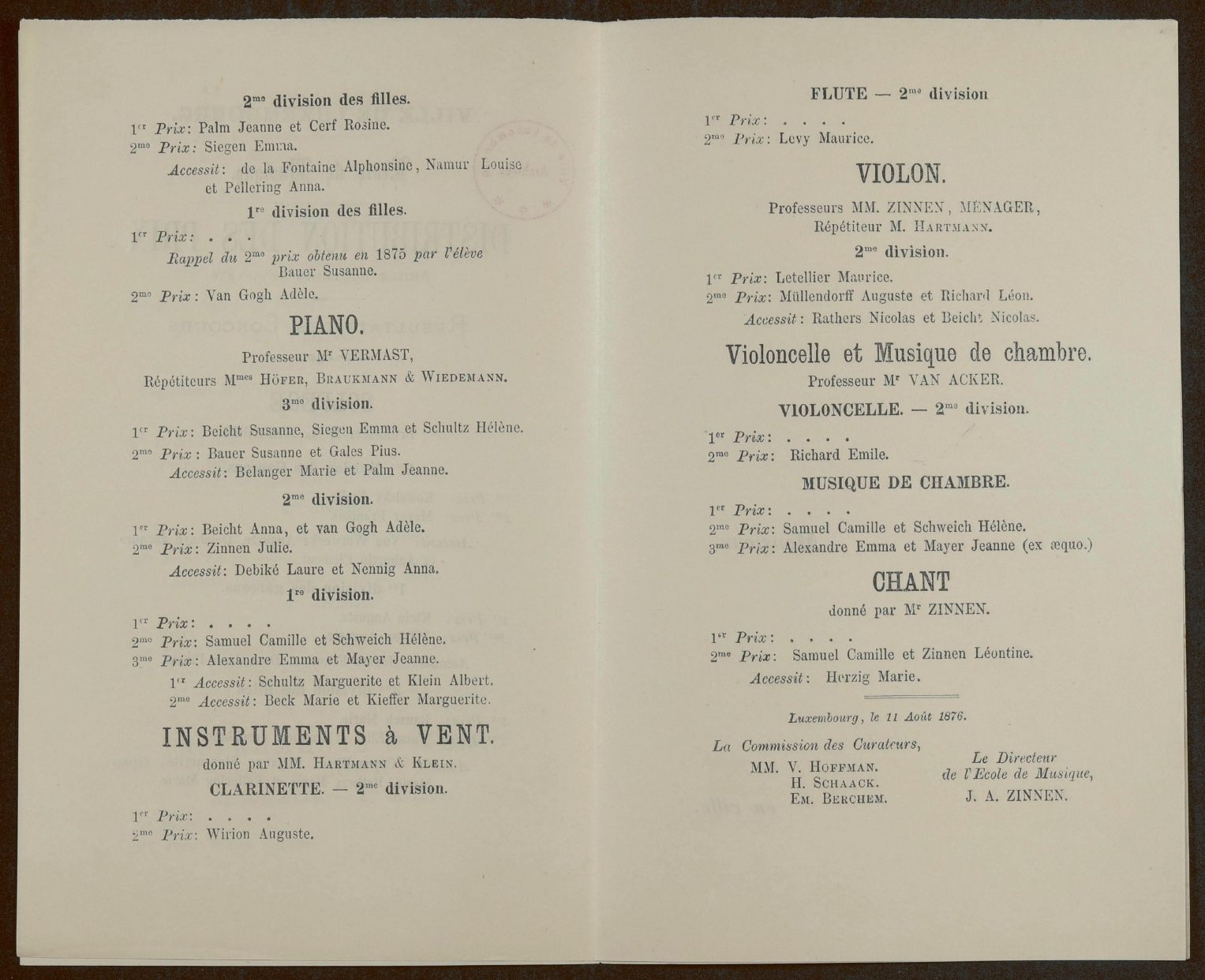
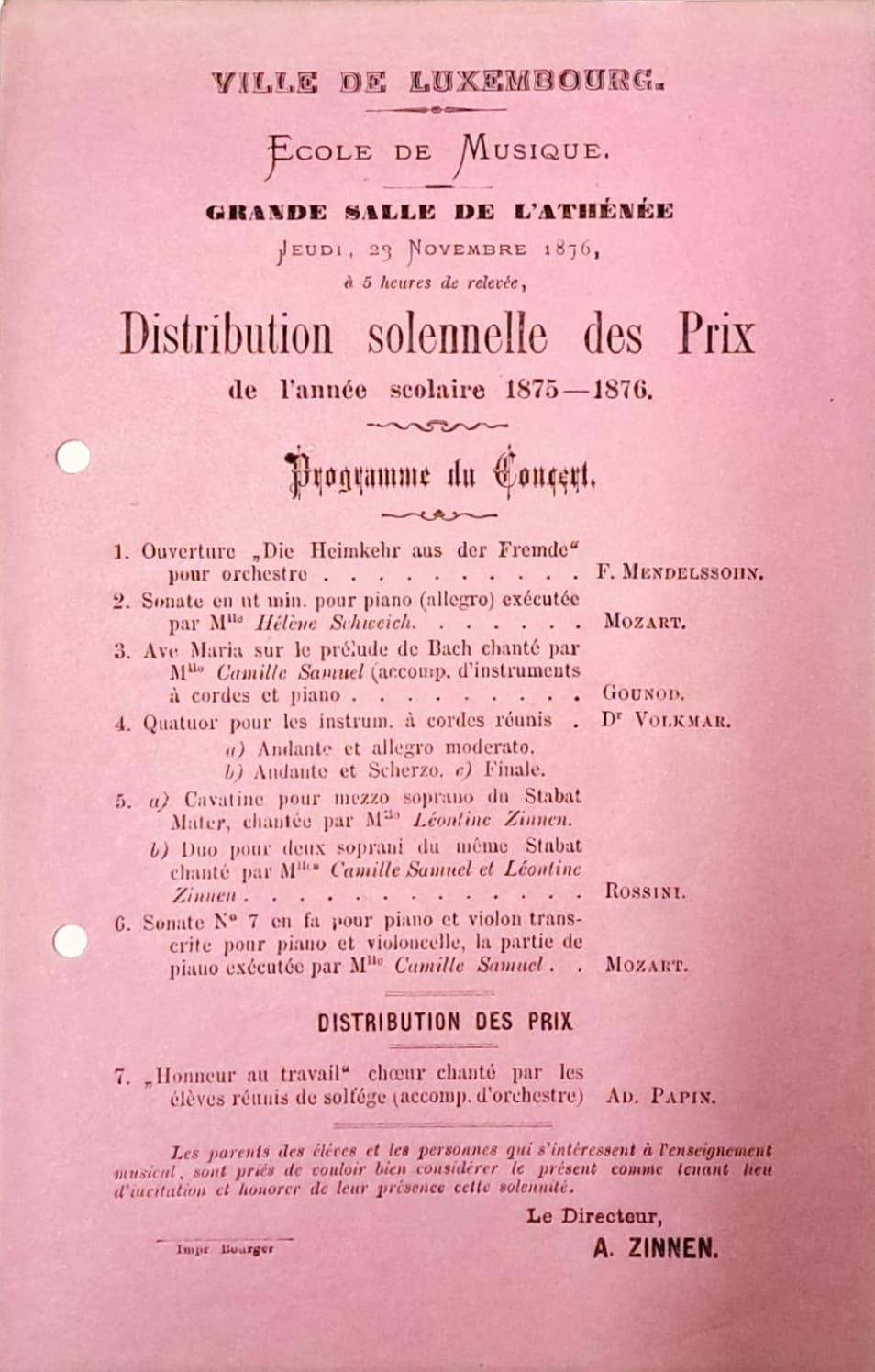
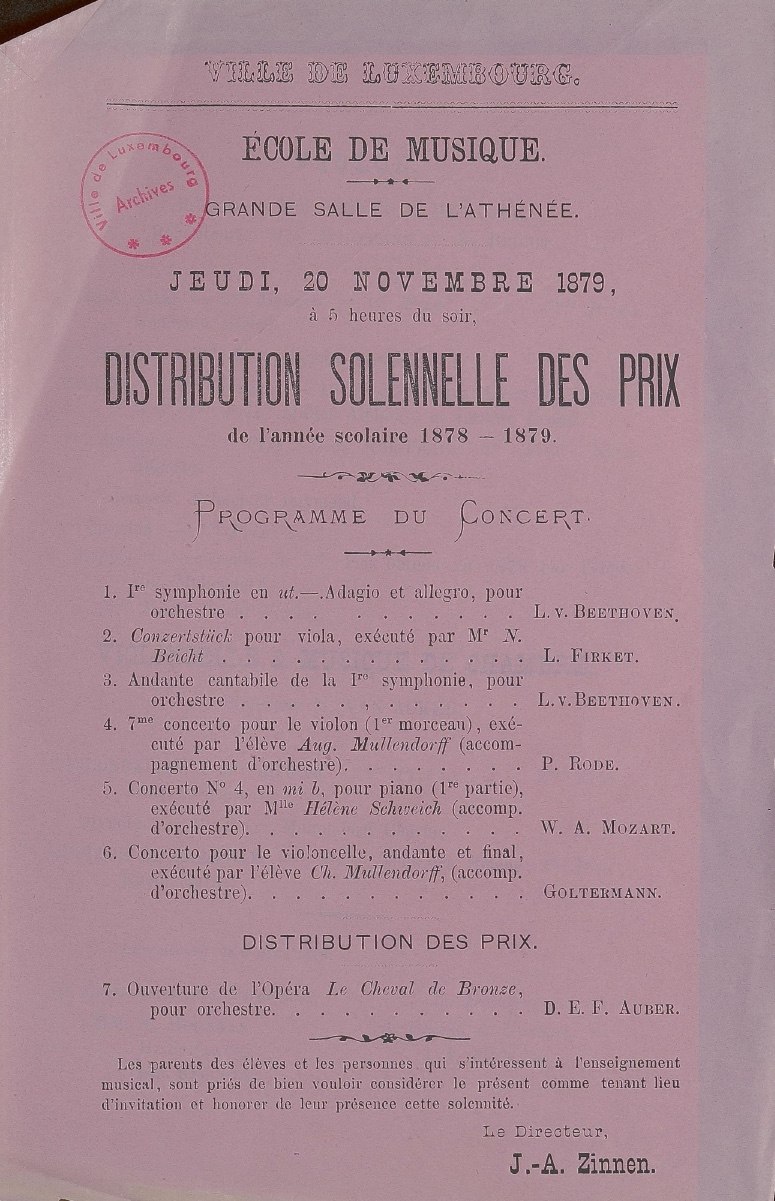
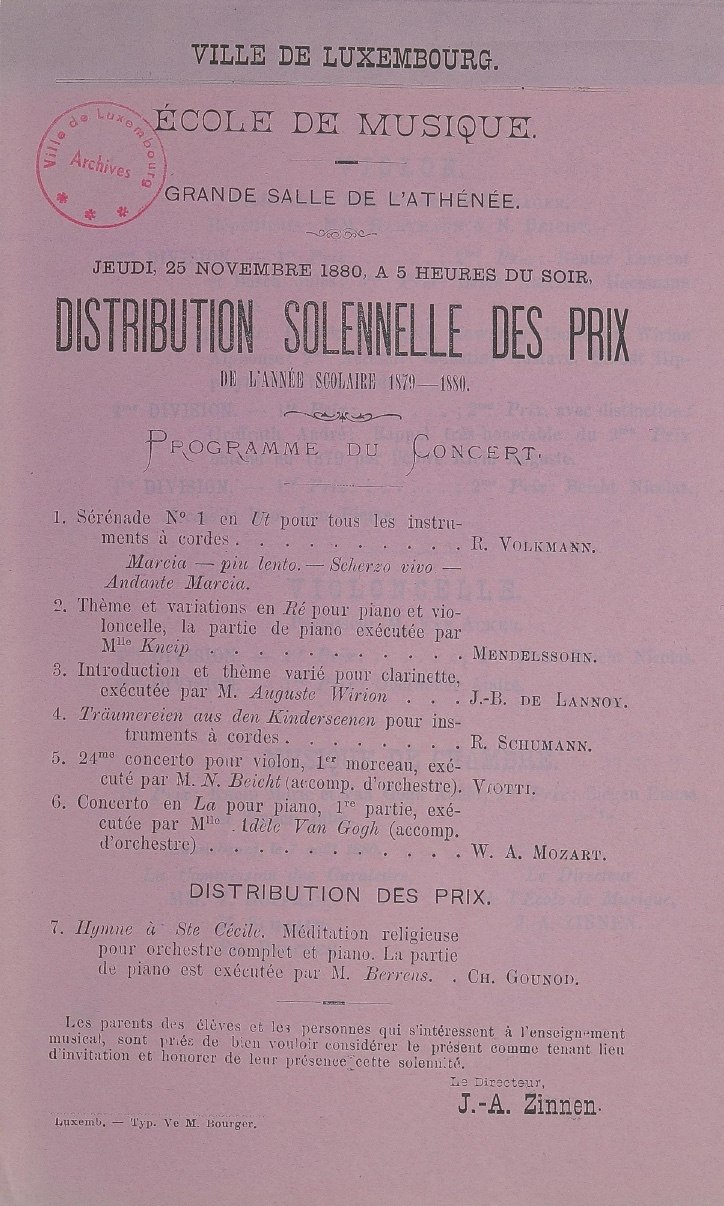
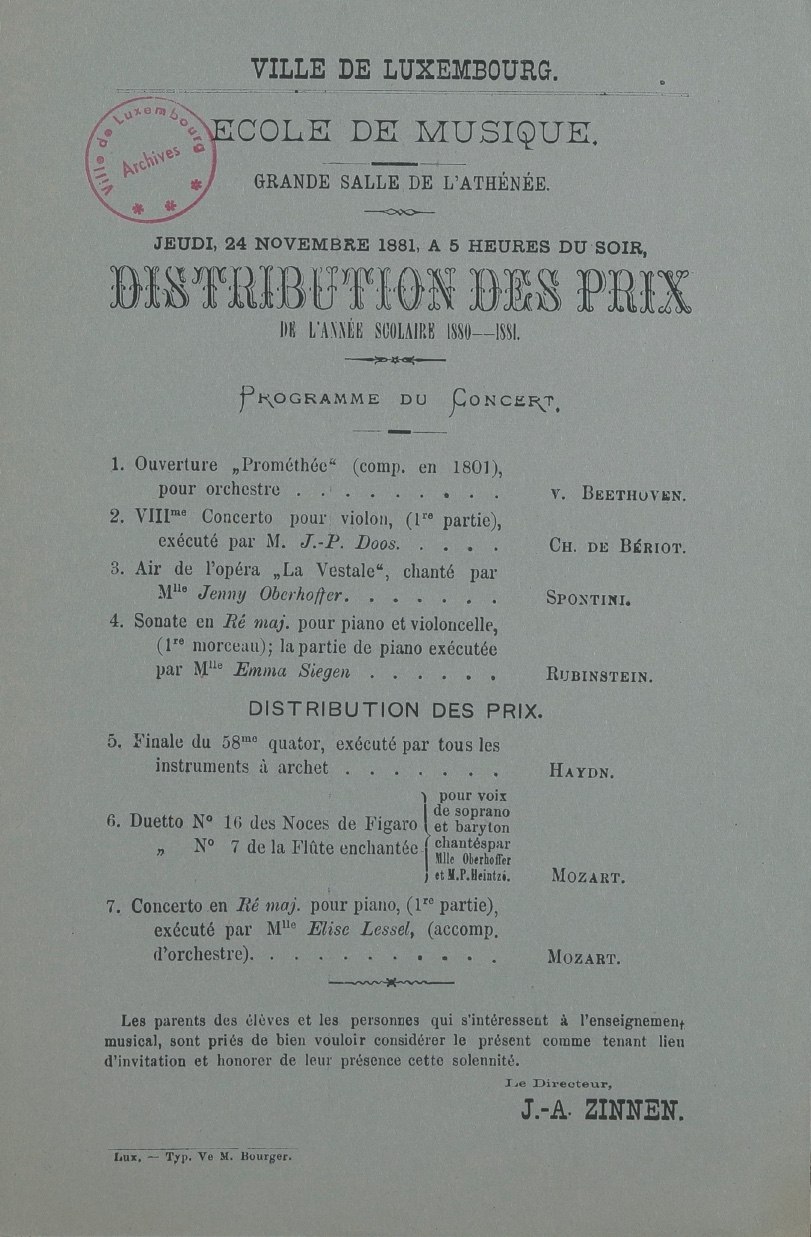
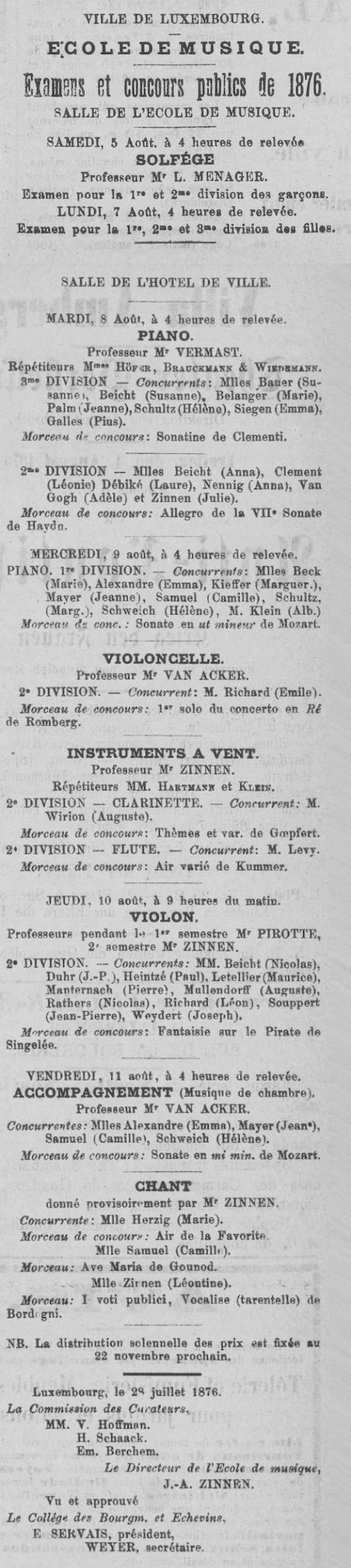
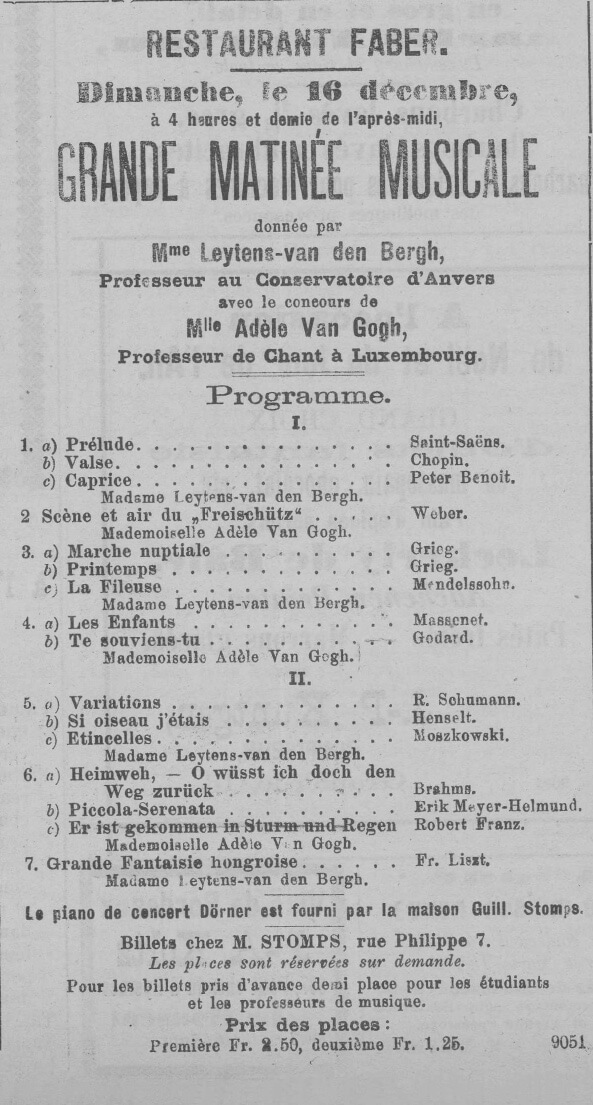
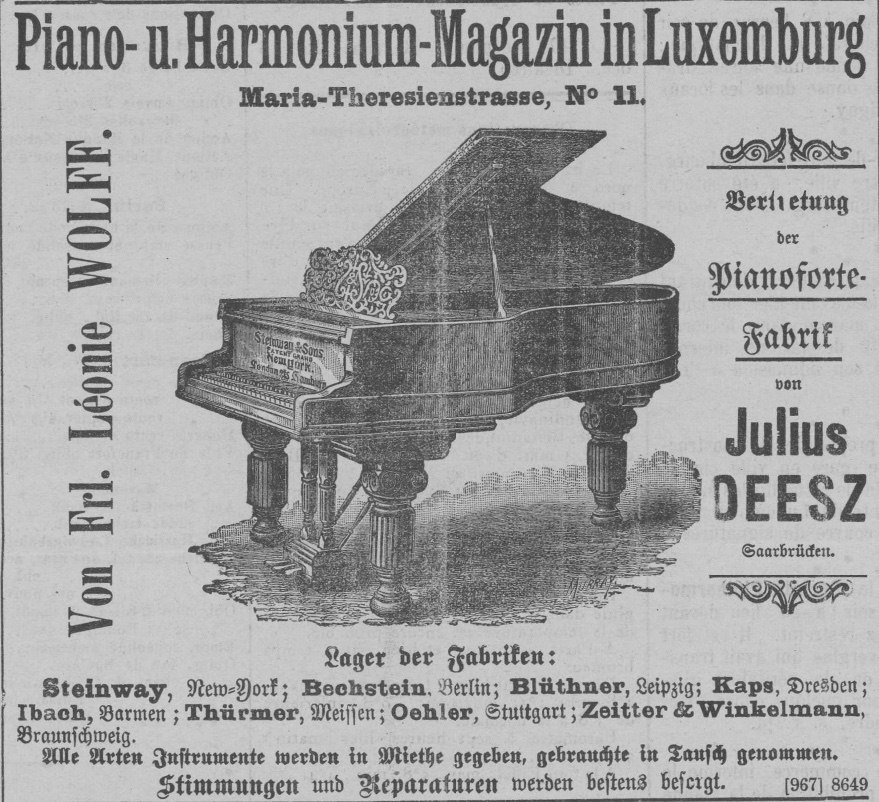
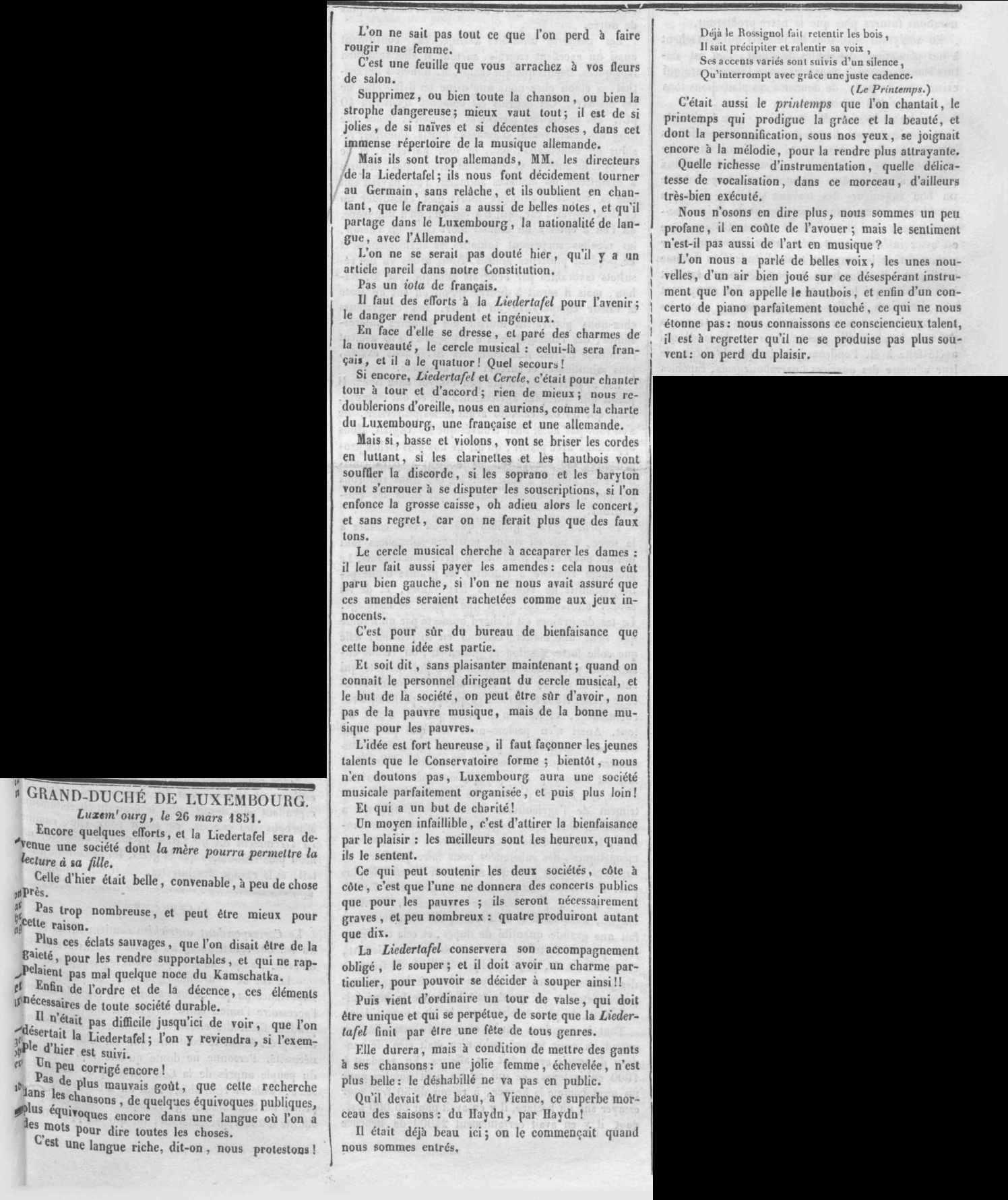
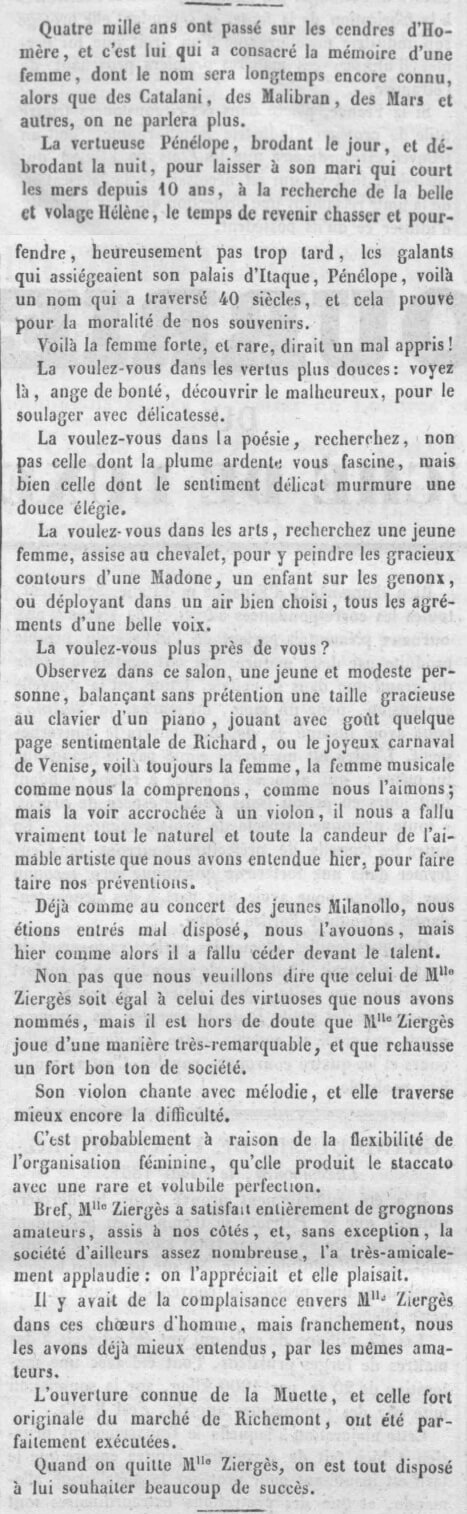
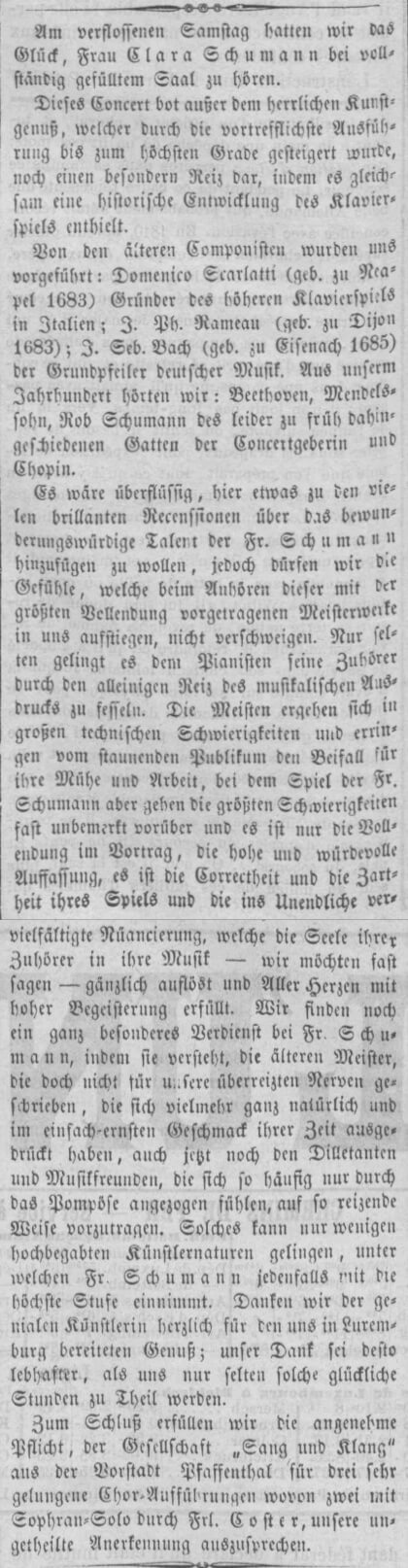
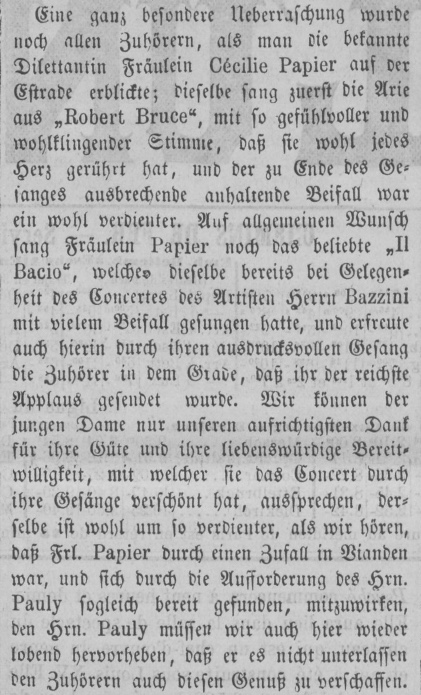
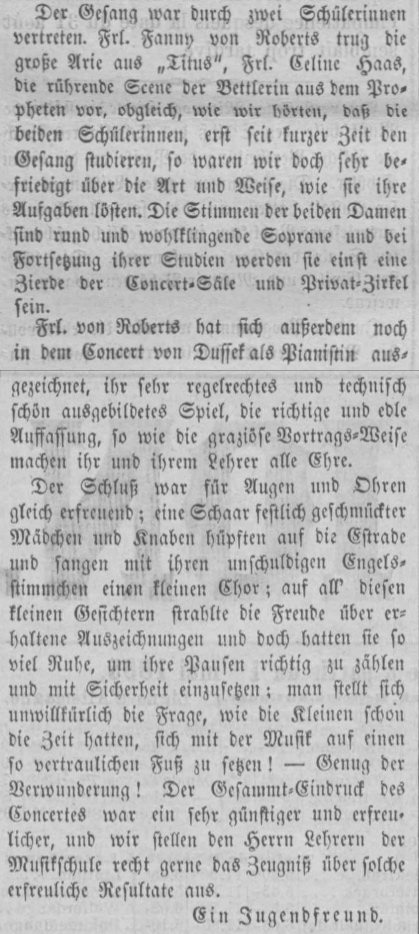
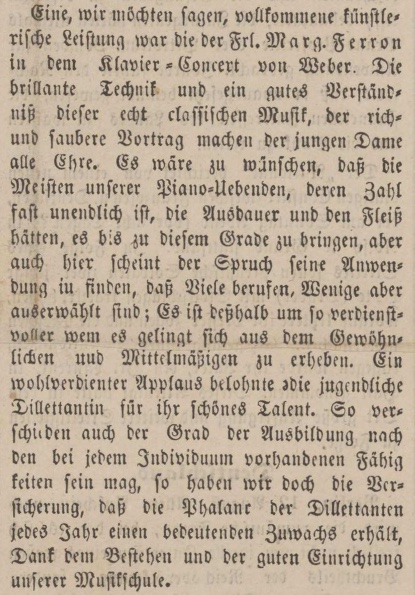
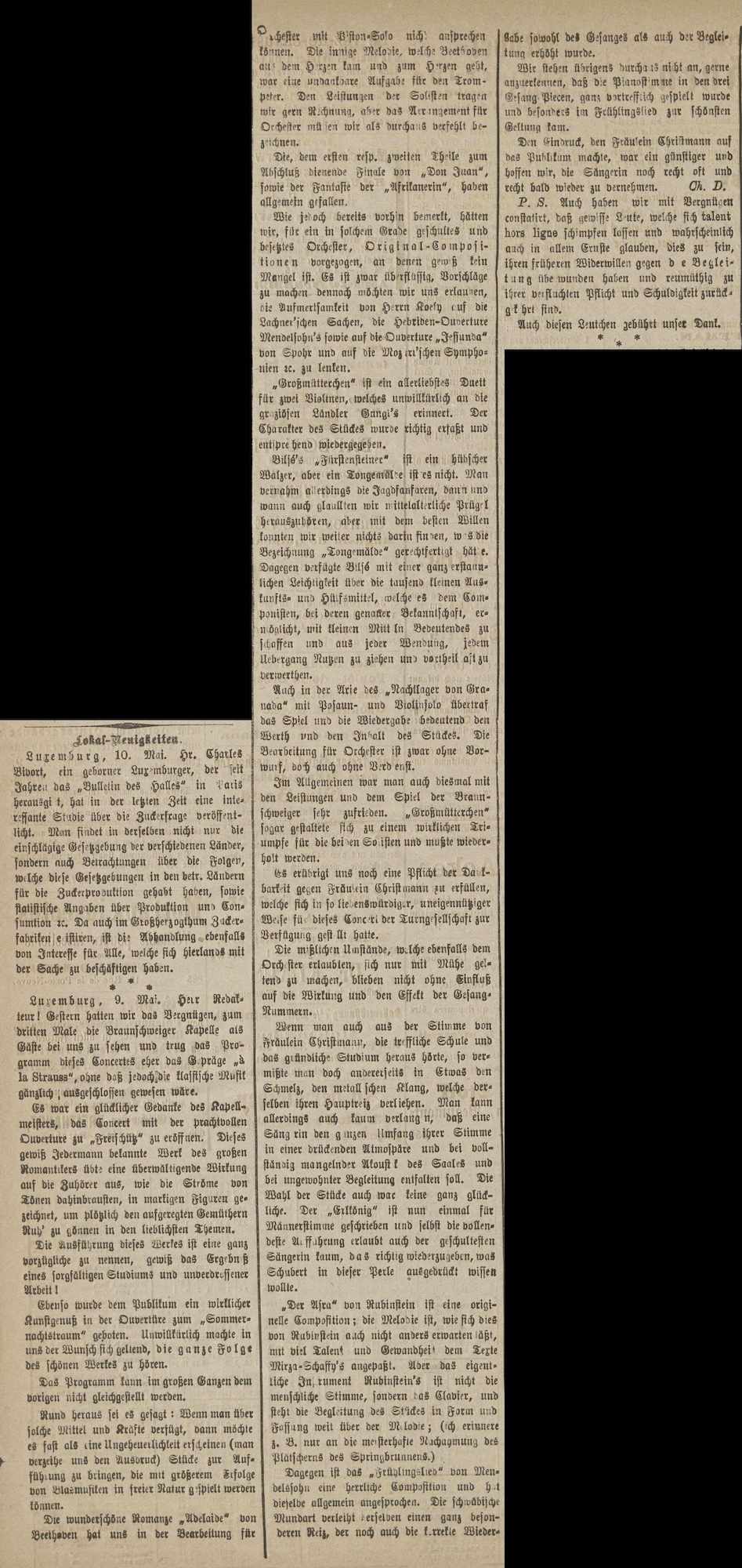
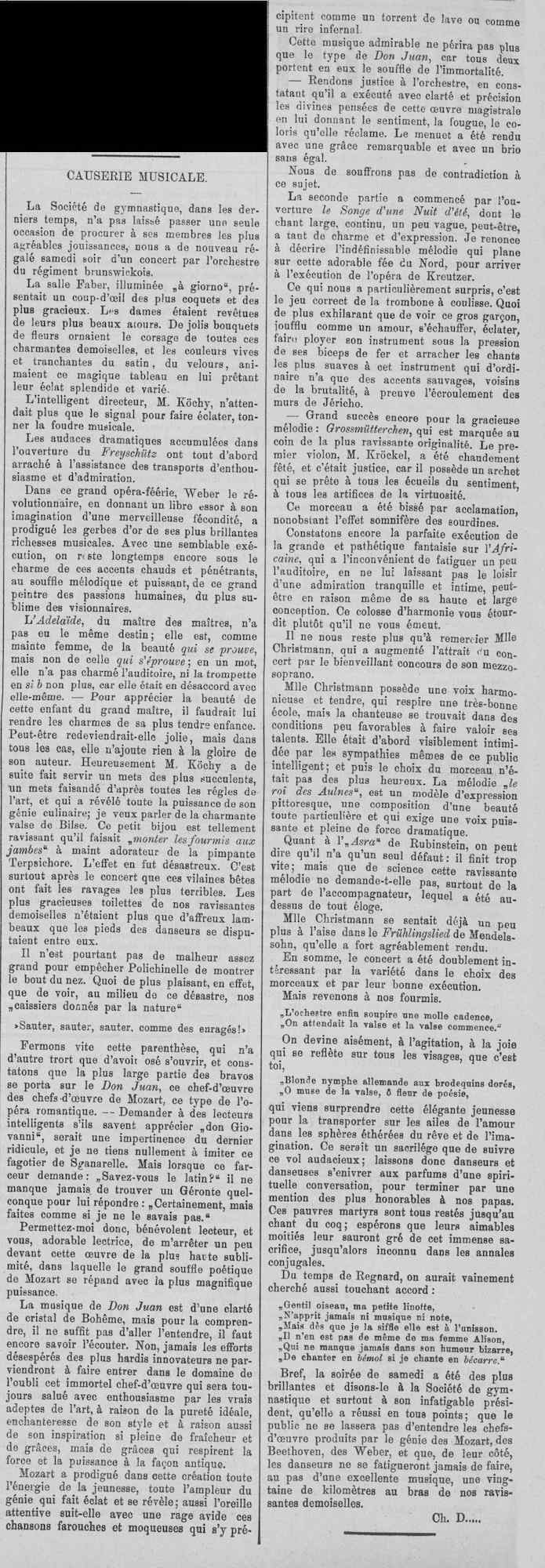
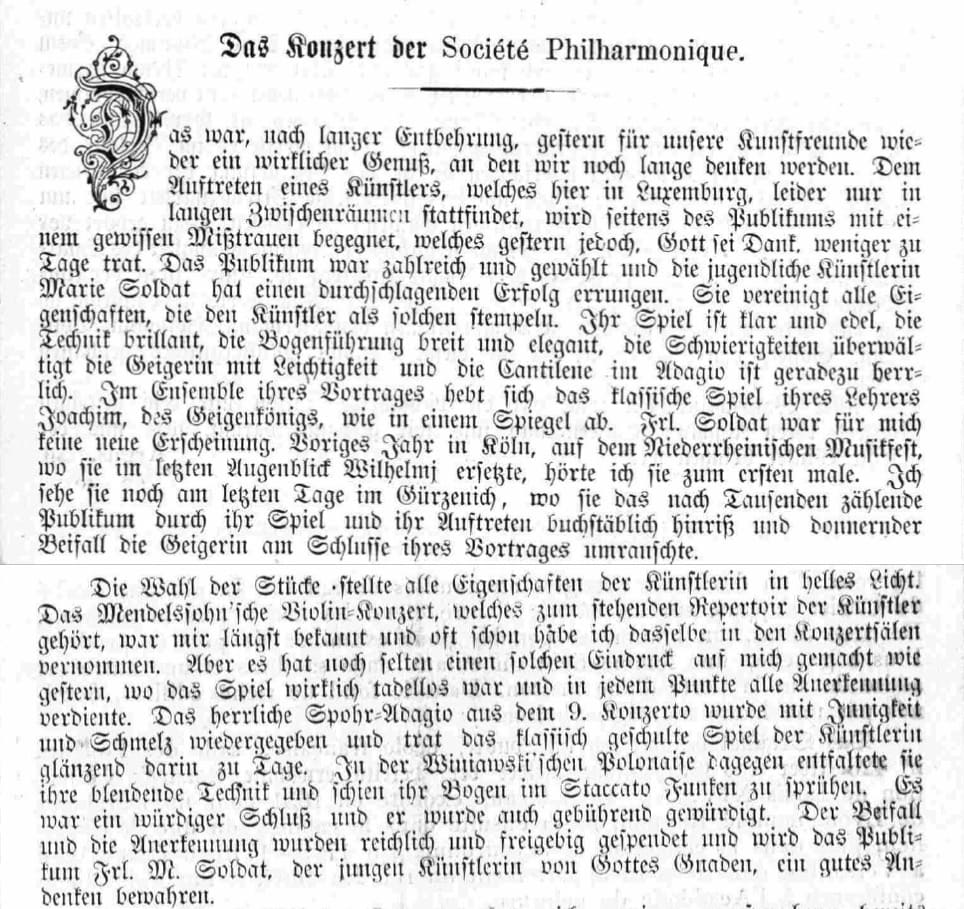
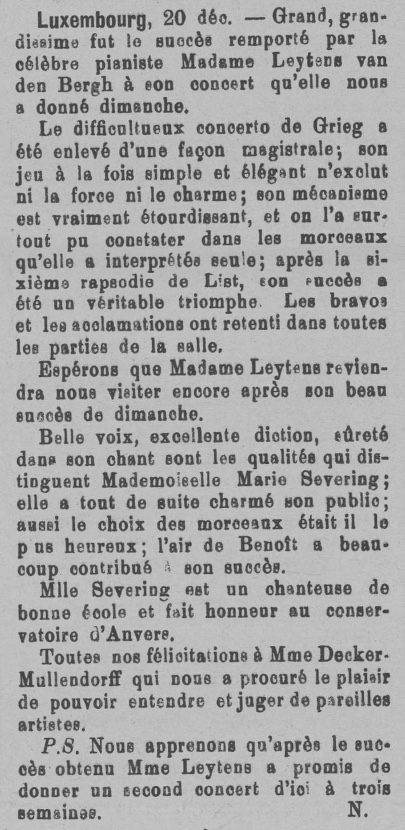
In her article (see appendix), Danielle Roster highlights the remarkable abundance of available sources: around 85 file folders held by the Luxembourg Municipal Archives, supplemented by the Bulletins Communaux, newspaper articles, advertisements and private letters. This wealth of material is presented in several thematic “galleries” (including Scores, Music, Letters, Employer, Economy, Graduation and Reviews), which reveal the achievements of individual women musicians – such as the composer Joséphine Schmoll or the violinists Augustine Steinhardt and Marguerite Lassence. Two further appendices contain lists, compiled by Kenza Kiwy, of the female students and teachers at Luxembourg’s first Municipal Music School.
The portal presents a multifaceted picture of early public music education, which for the first time enabled girls and women to pursue professional musical careers despite significant structural disadvantages – and at the same time provides a treasure trove of previously little-known women’s biographies of nineteenth-century Luxembourg music history.
Luxemburgs erste kommunale Musikschule_Danielle Roster
Text, selection of sources and curation of the webpage: Danielle Roster
Creation of the digital archive on the portal: Danielle Roster and Kenza Kiwy
Online publication: Anne Schiltz
The portal “Luxembourg’s first Municipal Music School” was developed as part of the research and outreach project Klangbilder der Stadt Luxemburg, supported by the City of Luxembourg.
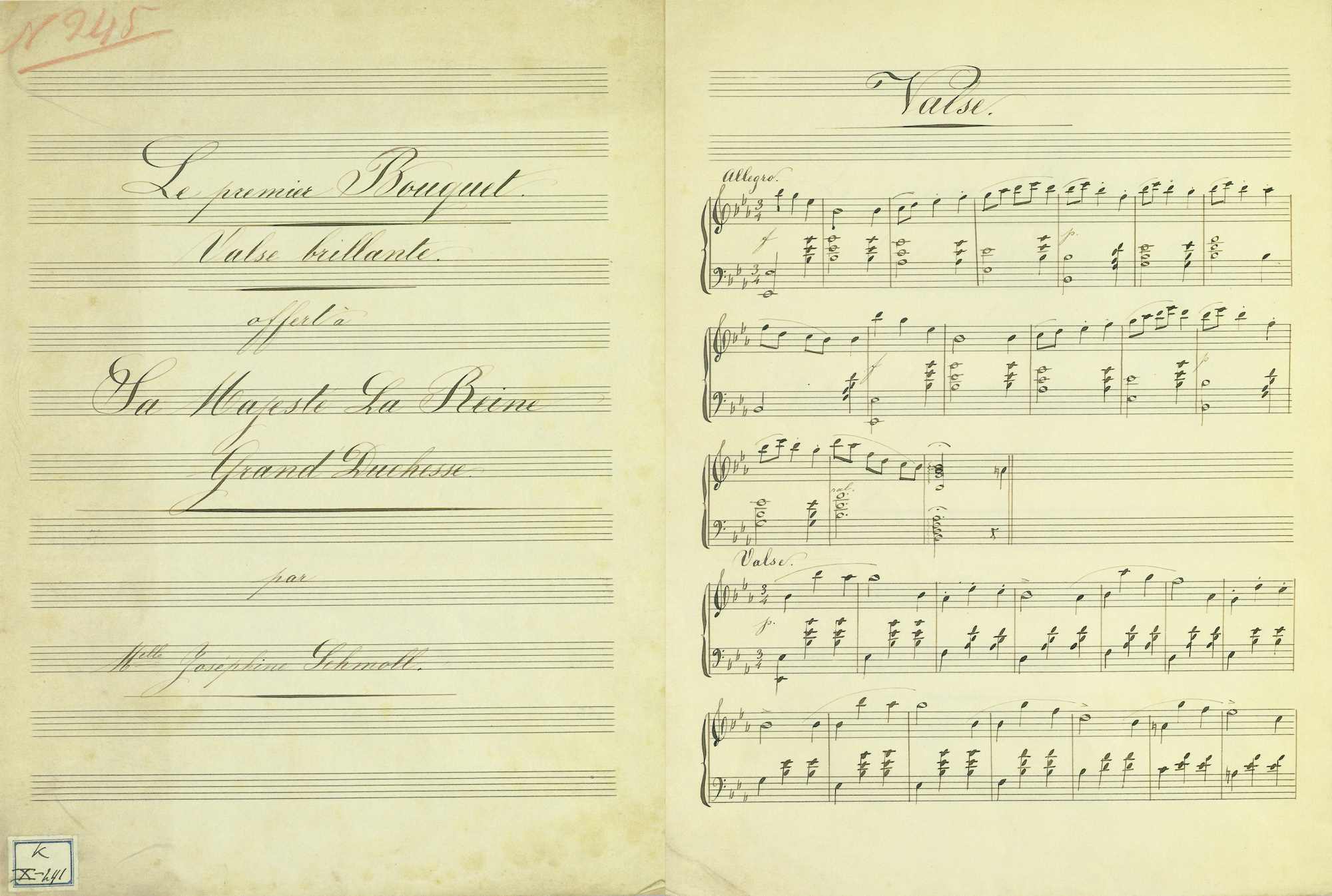
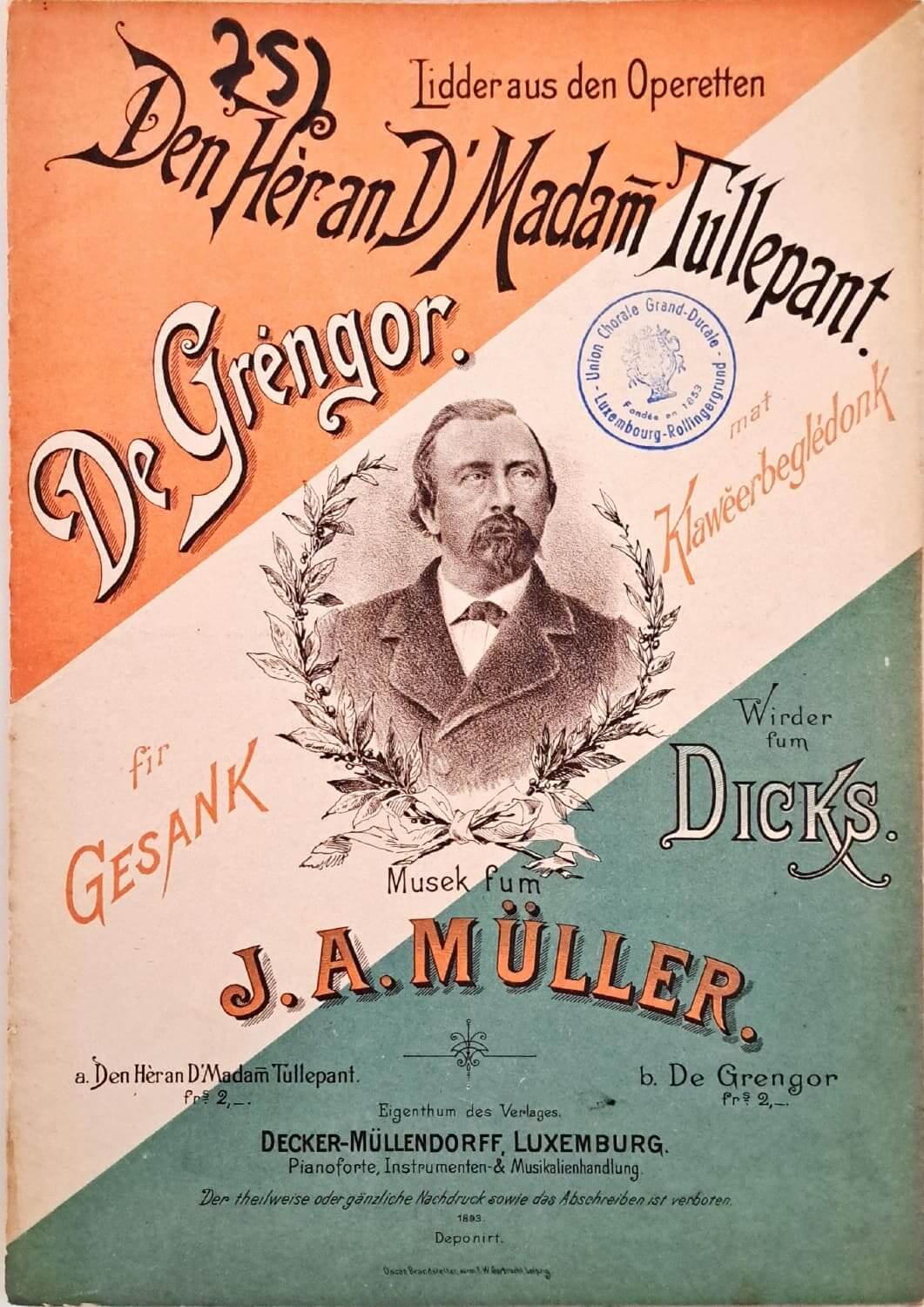
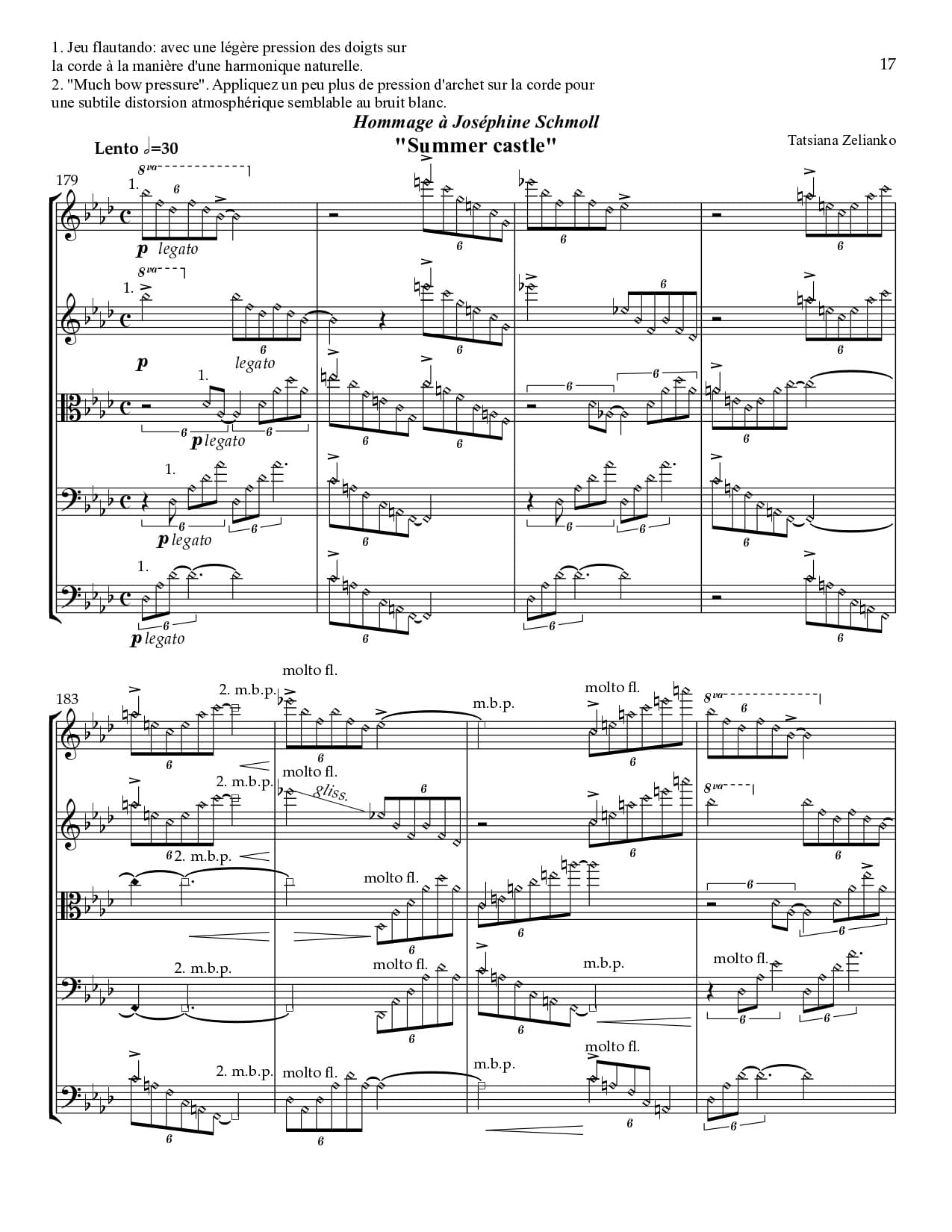
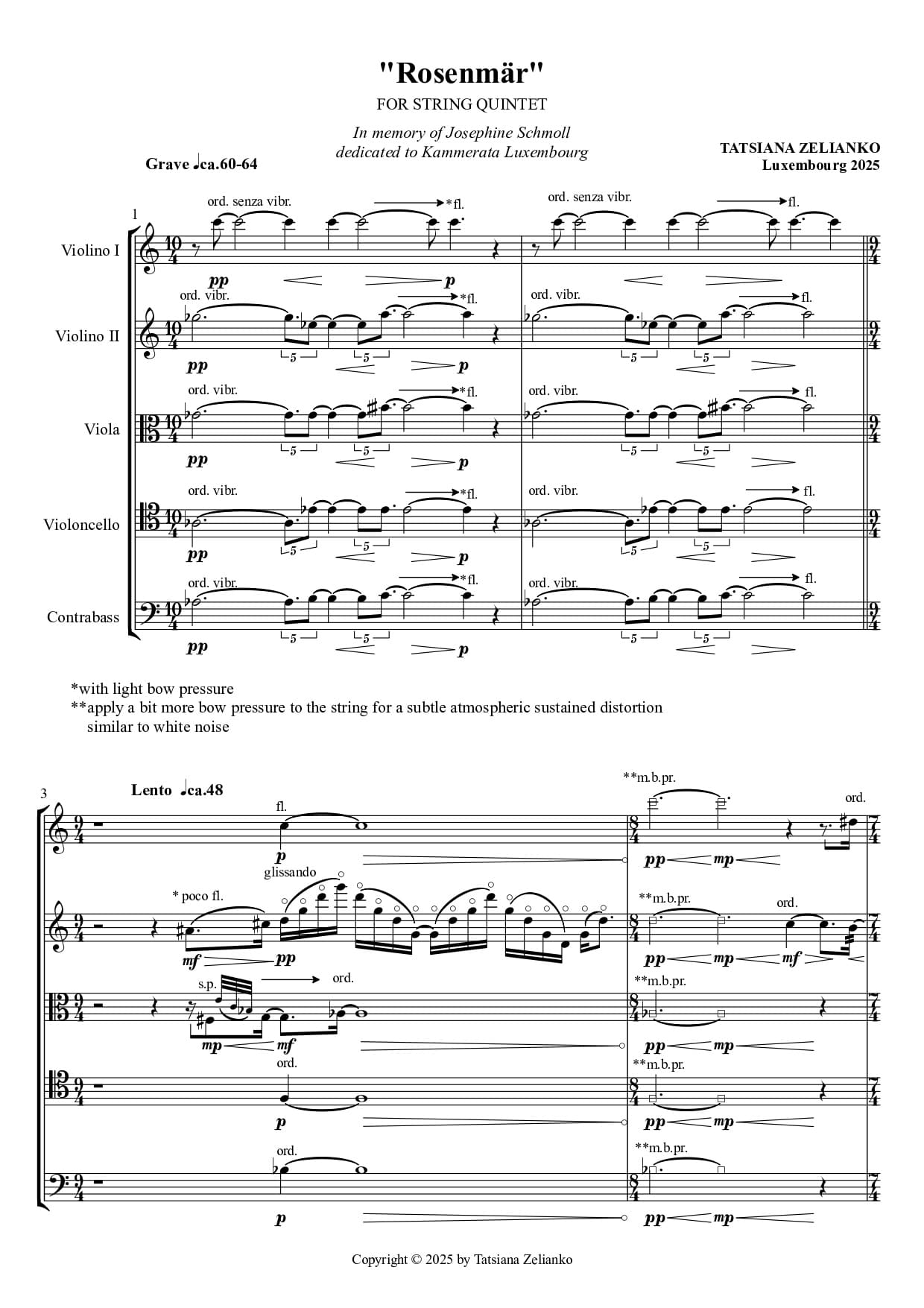
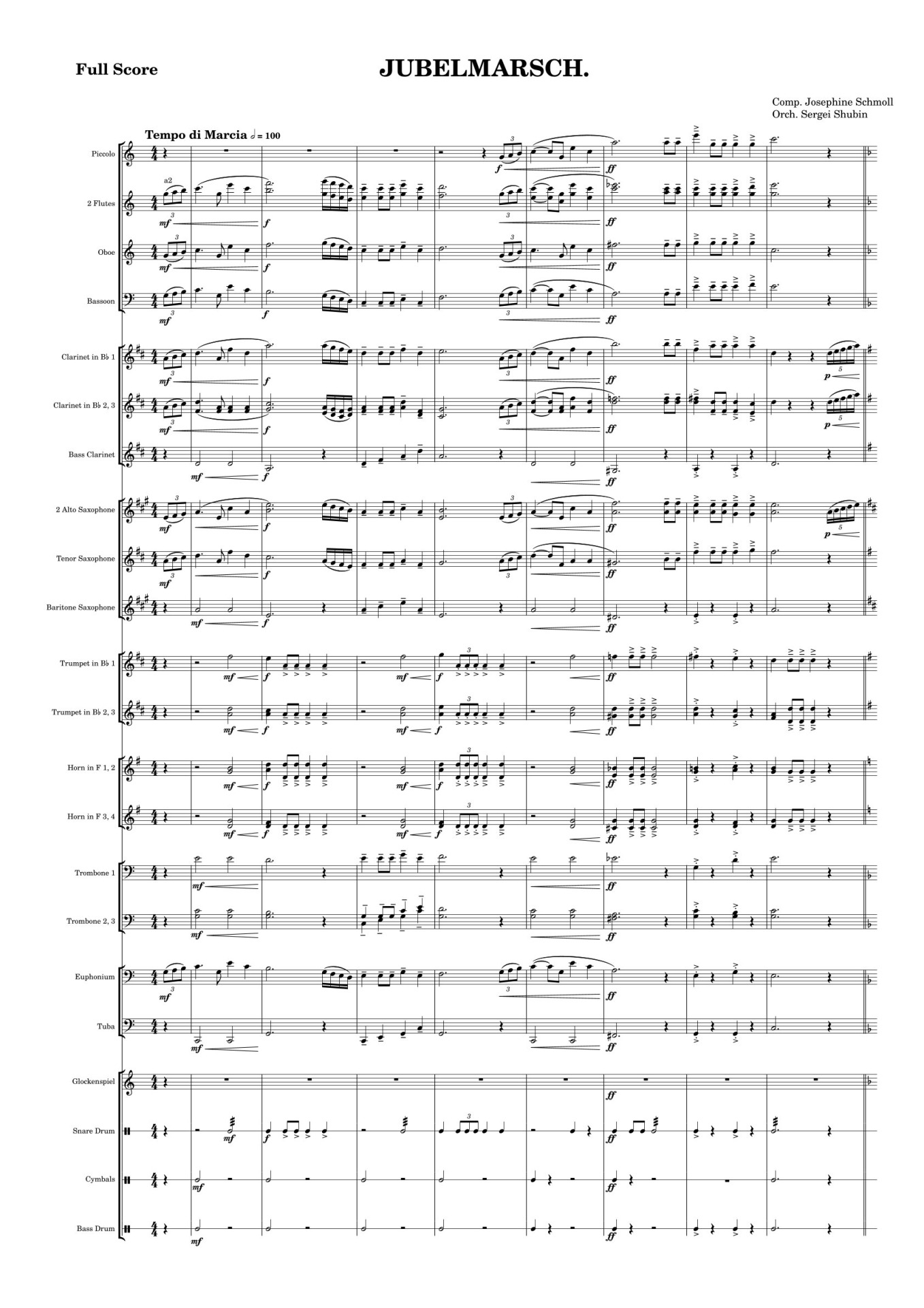
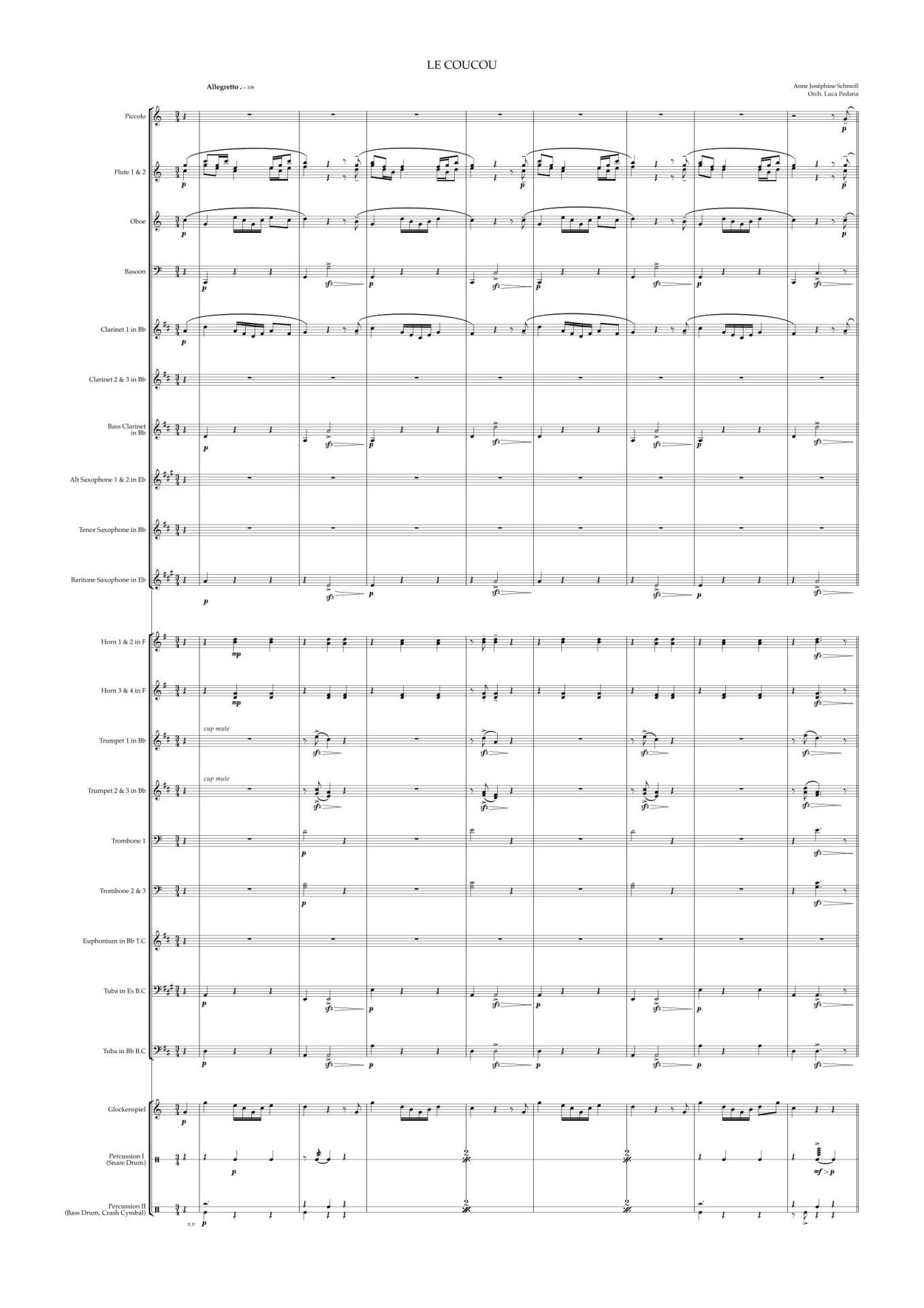
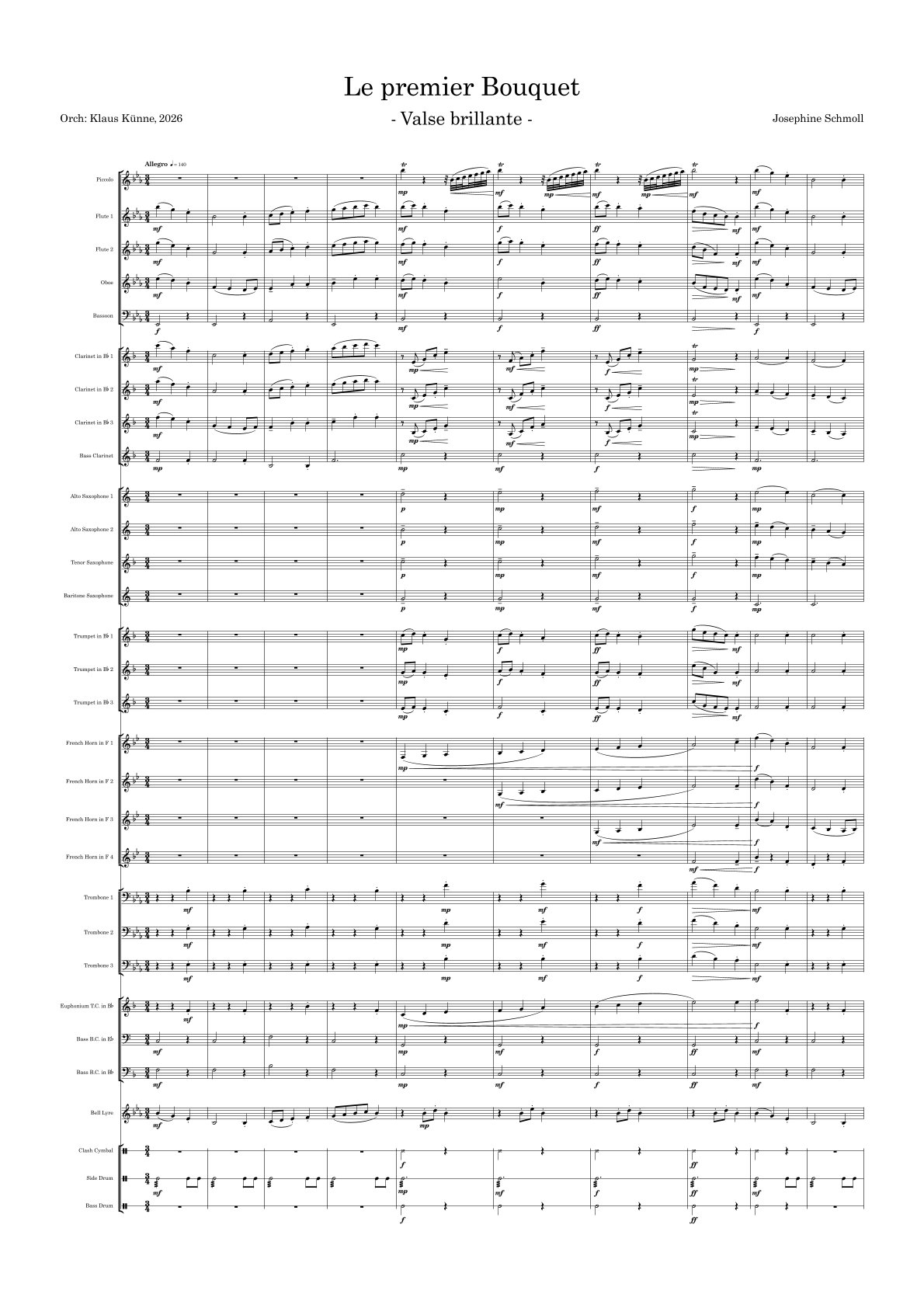
Gallery (more info in German)
“,”after_title”:””,”widget_id”:”arbitrary-instance-6abc4f302fbaf”} if(typeof setIronAudioplayers !== “undefined”){ setIronAudioplayers(“arbitrary-instance-6abc4f302fbaf”); }
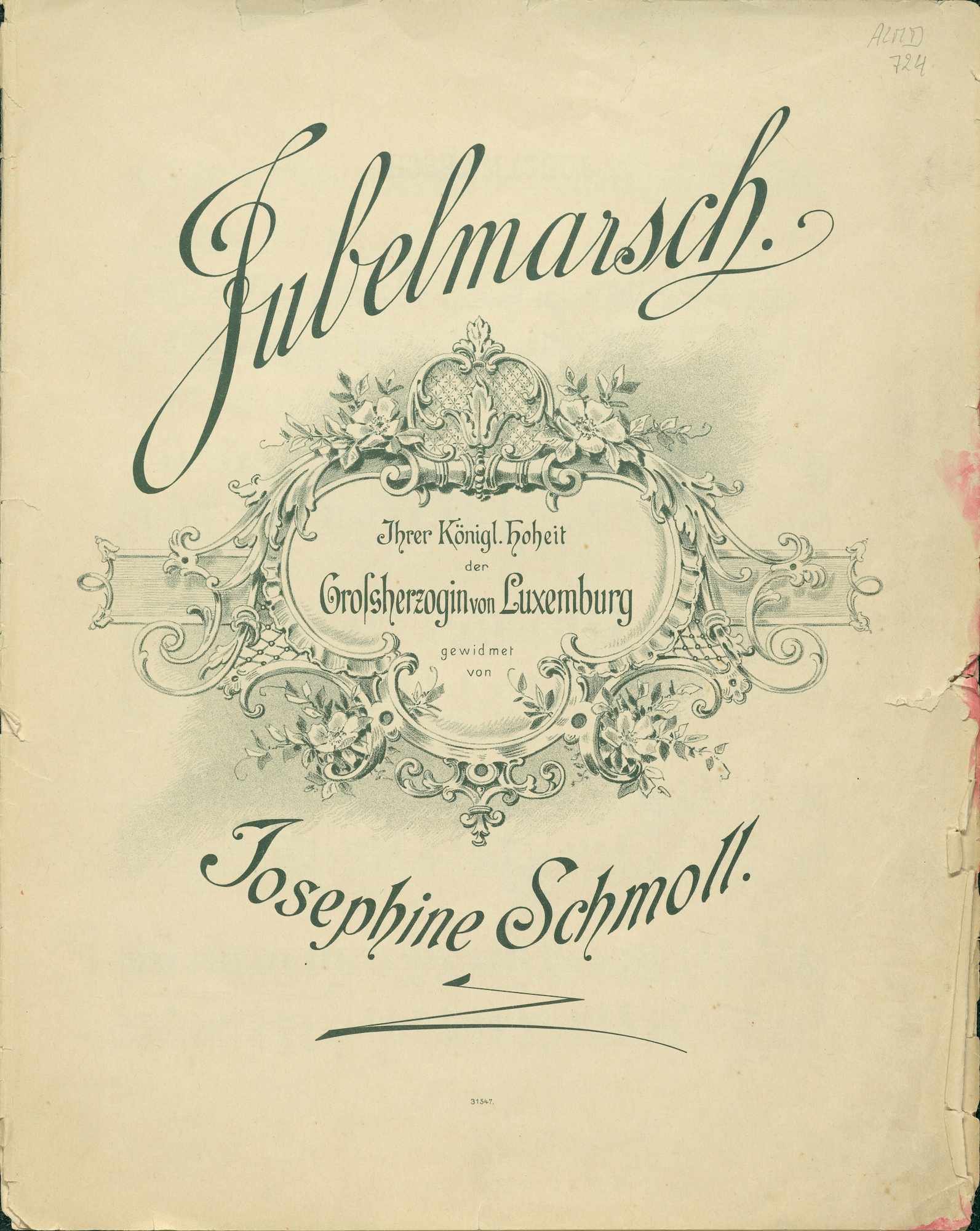
Joséphine Schmoll: Jubelmarsch for piano
Julia Belova
Track 25, CD Julia Belova: Compositrices du XIe au XXIe siècle
© Banque de Luxembourg, Burlesque asbl, n.d.
“,”after_title”:””,”widget_id”:”arbitrary-instance-6abc4f30317dc”} if(typeof setIronAudioplayers !== “undefined”){ setIronAudioplayers(“arbitrary-instance-6abc4f30317dc”); }
Tatsiana Zelianko: Potpourri on melodies by Joséphine Schmoll for string quintet
Kammerata Luxembourg (Sandrine Cantoreggi, 1st violin; Cathy Heidt, 2nd violin; Susanne Martens, viola; Cyprien Keiser, cello; Choul-Won Pyun, double bass)
© CNA, studio recording December 2025
“,”after_title”:””,”widget_id”:”arbitrary-instance-6abc4f30323be”} if(typeof setIronAudioplayers !== “undefined”){ setIronAudioplayers(“arbitrary-instance-6abc4f30323be”); }
Tatsiana Zelianko: Rosenmär for string quintet (2015), a homage to Joséphine Schmoll
Kammerata Luxembourg (Sandrine Cantoreggi, 1st violin; Cathy Heidt, 2nd violin; Susanne Martens, viola; Cyprien Keiser, cello; Choul-Won Pyun, double bass)
© CNA, studio recording December 2025
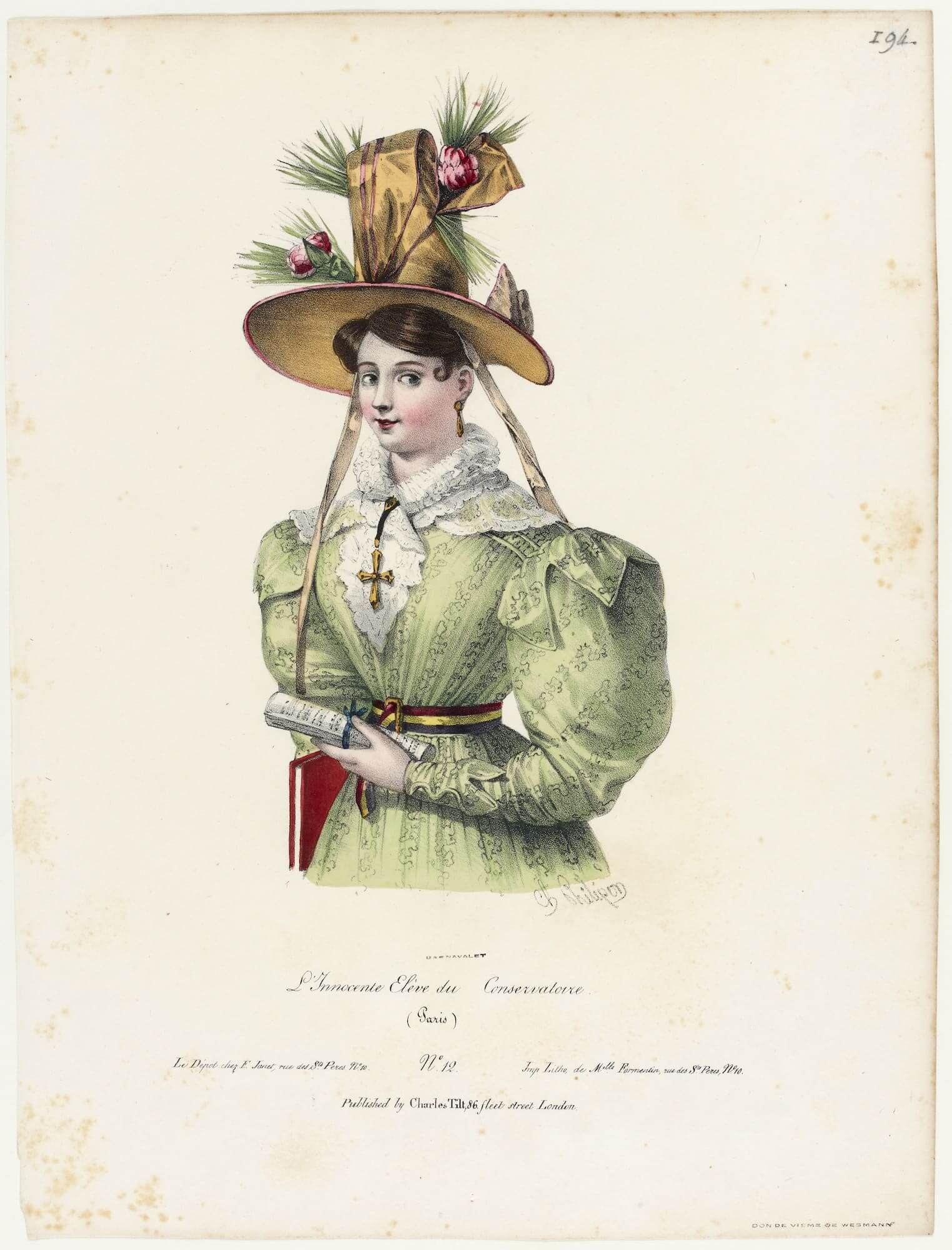
Gallery (more info in German)
Collective workshop Soundgardening.
Documentary film Soundgardening. Production: Kinoshi Studio – Eric Lamhène. Direction: Morgane Verdin-Pol. Camera: Rae Lyn Lee. Sound: Philippe Mergen. LUGA project, June 2025. Supported by: Ministry for Gender Equality and Diversity and Centre national de l’audiovisuel.
Stages of rediscovery.
Documentary film Soundgardening. Production: Kinoshi Studio – Eric Lamhène. Direction: Morgane Verdin-Pol. Camera: Rae Lyn Lee. Sound: Philippe Mergen. LUGA project, June 2025. Supported by: Ministry for Gender Equality and Diversity and Centre national de l’audiovisuel.
Joséphine Schmoll.
Documentary film Soundgardening. Production: Kinoshi Studio – Eric Lamhène. Direction: Morgane Verdin-Pol. Camera: Rae Lyn Lee. Sound: Philippe Mergen. LUGA project, June 2025. Supported by: Ministry for Gender Equality and Diversity and Centre national de l’audiovisuel.
New arrangement in the form of a potpourri, with a contemporary intermezzo.
Documentary film Soundgardening. Production: Kinoshi Studio – Eric Lamhène. Direction: Morgane Verdin-Pol. Camera: Rae Lyn Lee. Sound: Philippe Mergen. LUGA project, June 2025. Supported by: Ministry for Gender Equality and Diversity and Centre national de l’audiovisuel.
Building bridges between historical and contemporary female composers.
Documentary film Soundgardening. Production: Kinoshi Studio – Eric Lamhène. Direction: Morgane Verdin-Pol. Camera: Rae Lyn Lee. Sound: Philippe Mergen. LUGA project, June 2025. Supported by: Ministry for Gender Equality and Diversity and Centre national de l’audiovisuel.
A look back at The Soundgardening concert on 8 June 2025 in Luxembourg’s Municipal Park.
Documentary film Soundgardening. Production: Kinoshi Studio – Eric Lamhène. Direction: Morgane Verdin-Pol. Camera: Rae Lyn Lee. Sound: Philippe Mergen. LUGA project, June 2025. Supported by: Ministry for Gender Equality and Diversity and Centre national de l’audiovisuel.