Galnari
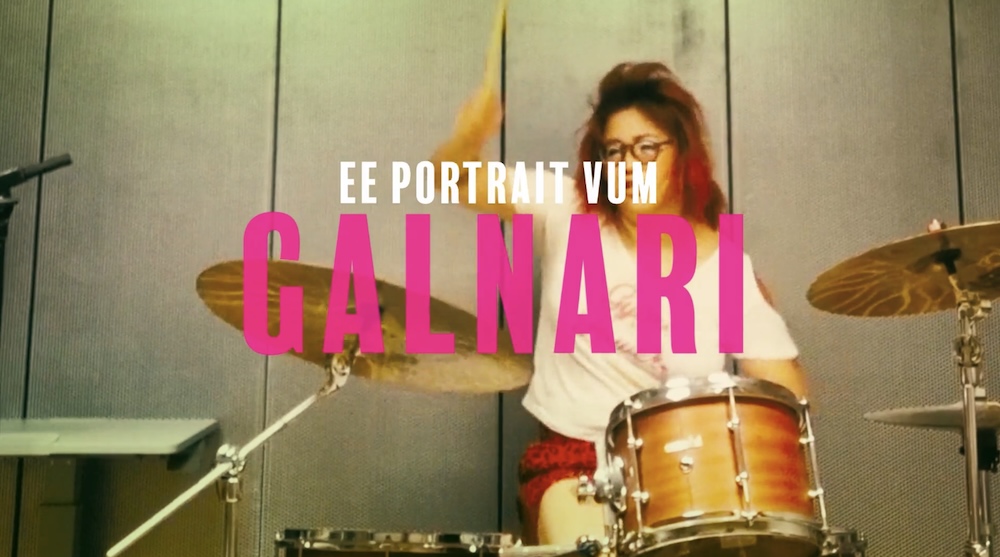
Stepping Up – Ee Portrait vum Galnari
Directed by Céline Schlesser, produced by Kinoshi Studio 2026
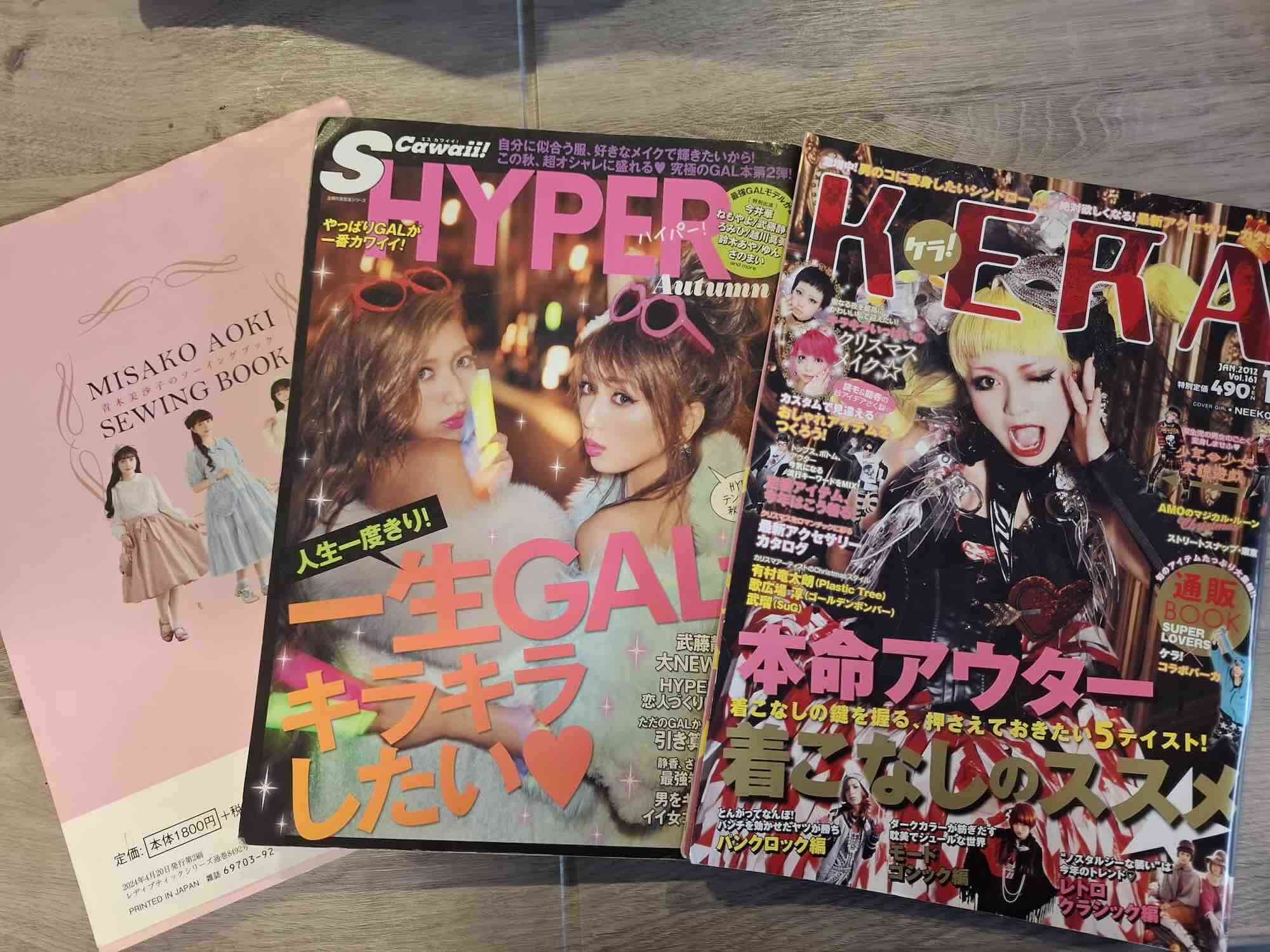
The adoption of Japanese gyaru subculture in the context of Luxembourg is rare. In the past three decades the Western interaction with Japanese popular culture has become increasingly visible, especially in the mainstreaming of anime, manga, video games and associated visual cultures. However, the lived appropriation of a foreign national subculture is still something quite special. This is all the more true when the subculture itself, in its original context, already challenges social norms.
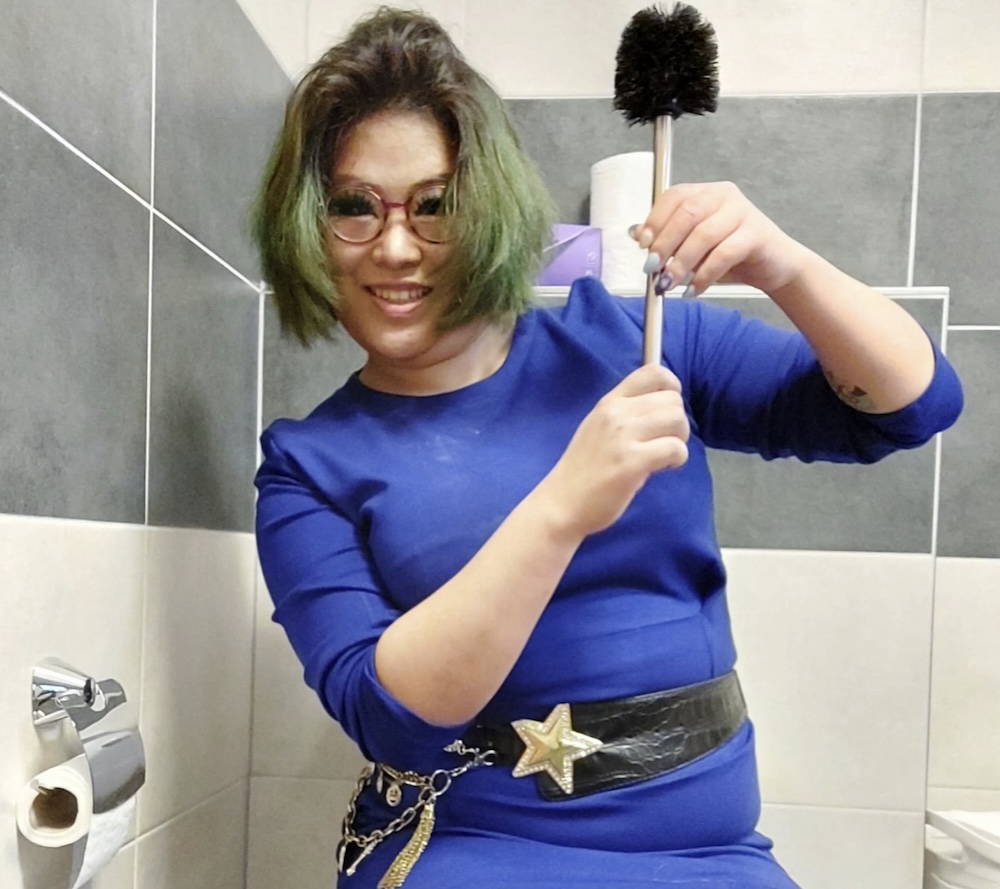
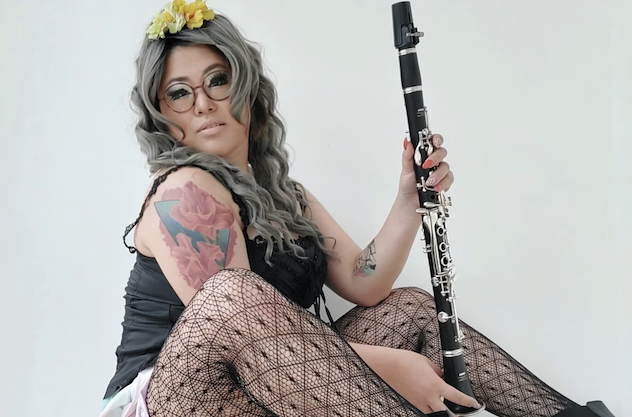
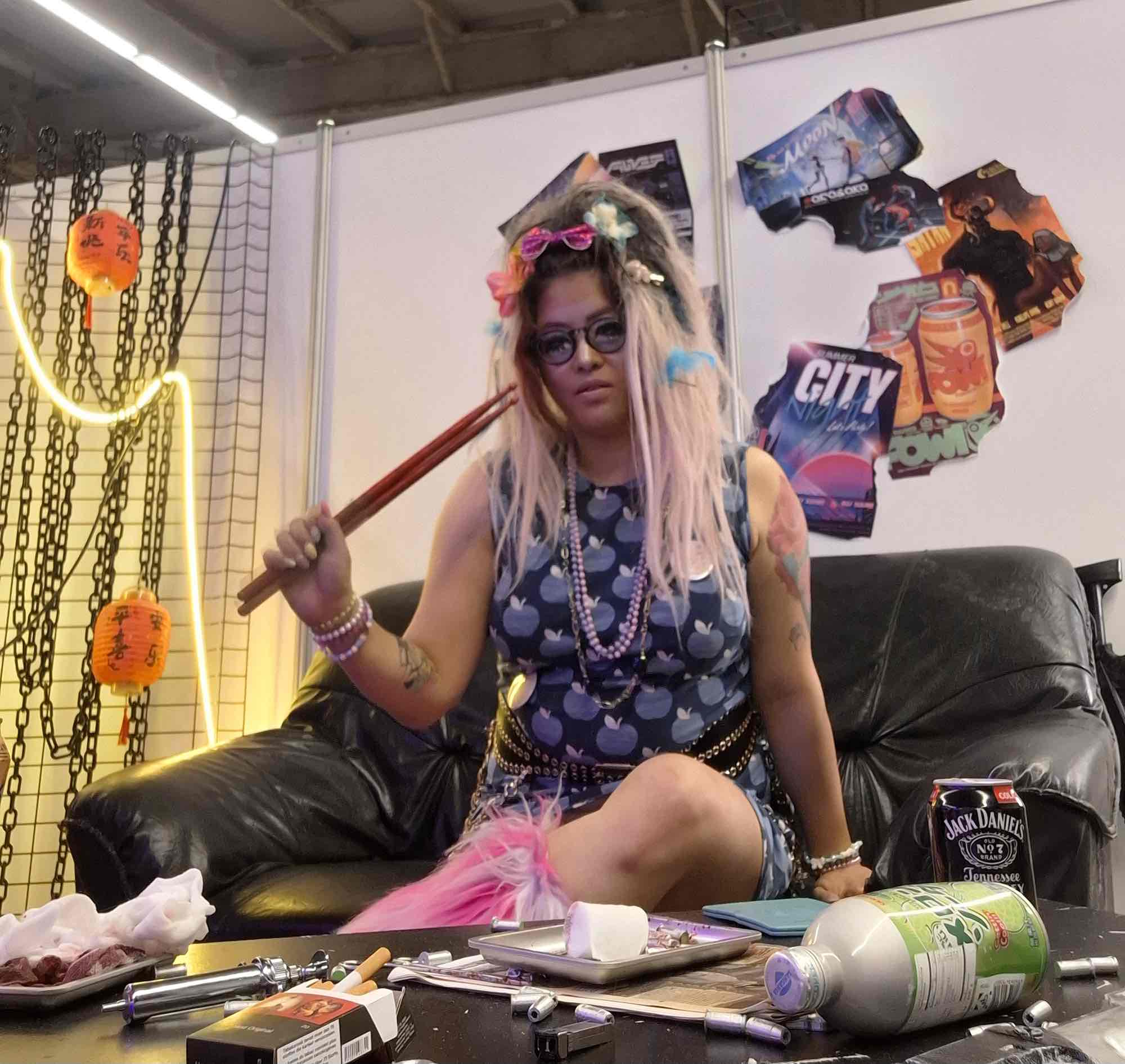
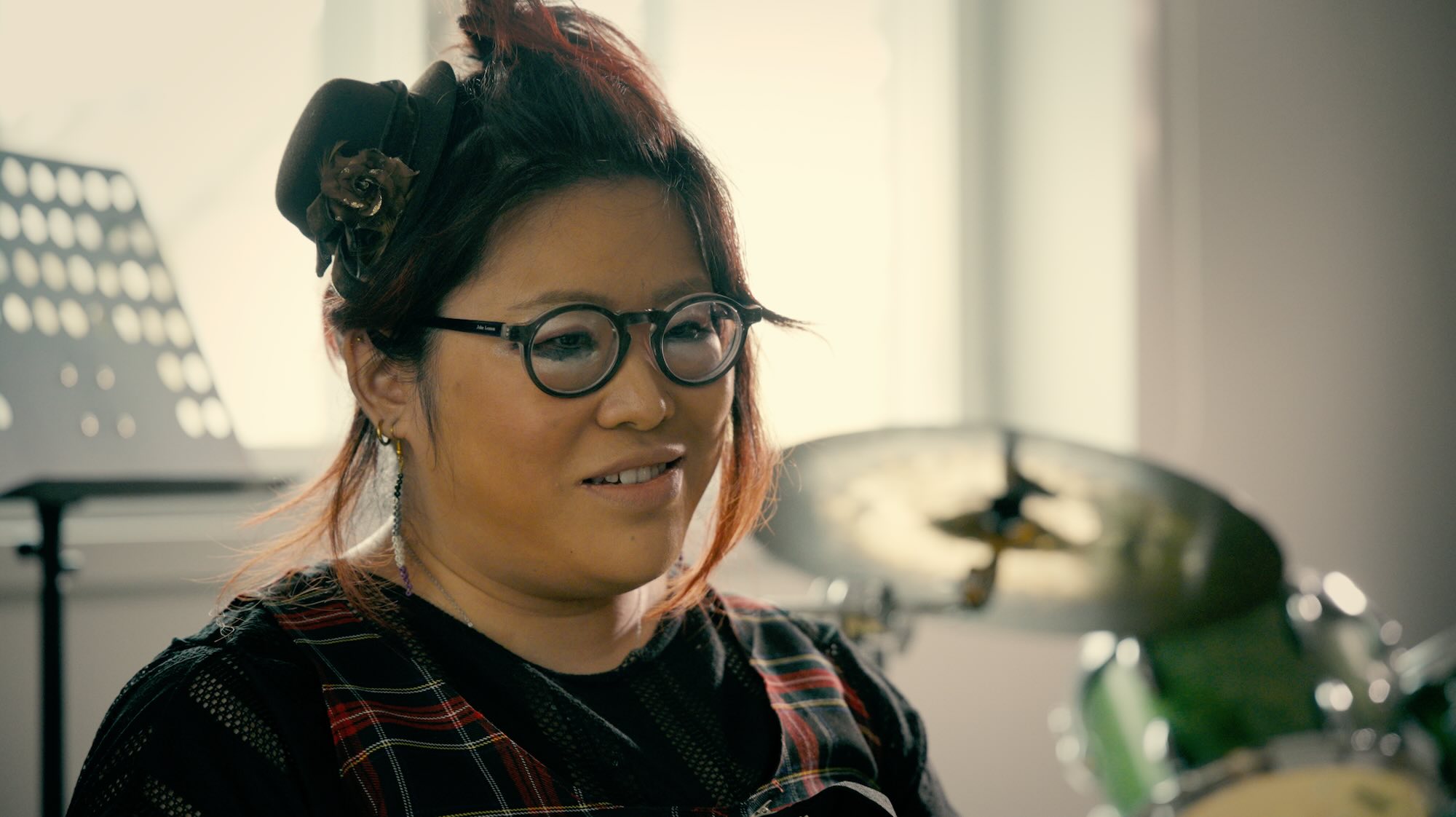
Galnari (Laura Giacomini) does not only refer to Japanese gyaru aesthetics as a superficial fashion code, she embraces the subculture that has rebelled against Japanese beauty standards (particularly those of the early 1990s) and subverts cultural expectations in Luxembourg. It is safe to say then, that Galnari is inherently punk. Japanese gyaru culture and punk music can be seen as parallel subcultural practices which challenge dominant expectations of gender, femininity and social conformity. Gyaru style with dyed hair, tanned skin, non-normative make-up, elaborate nails, conspicuous clothing and slang, intentionally subverted normative ideals of Japanese girlhood and therefore the conventional idea of Japanese feminine modesty.
Text: Cosimo Suglia
Curation of the webpage: Cosimo Suglia, Céline Schlesser, Sonja Kmec (upload 15 October 2026)
Punk works in a similar way. It translates clothing, attitude and performance into a grammar of resistance. Historically, punk has rejected the notion that music must be polished, polite or institutionally validated in order to matter through distortion, aggression, DIY practices and anti-commercial gestures. Dialogue between gyaru and punk in reciprocity is especially productive. The combination breaks the assumption that femininity has to be modest, passive or easy to consume. Here, hyper-femininity is not dismissed but reappropriated and weaponised. Like hyperpop, the aesthetic of gyaru uses exaggeration, often through artificiality, digital excess, and commercial sound as experimental strategies, while at the same time incorporating standards that break the traditional Japanese norm.
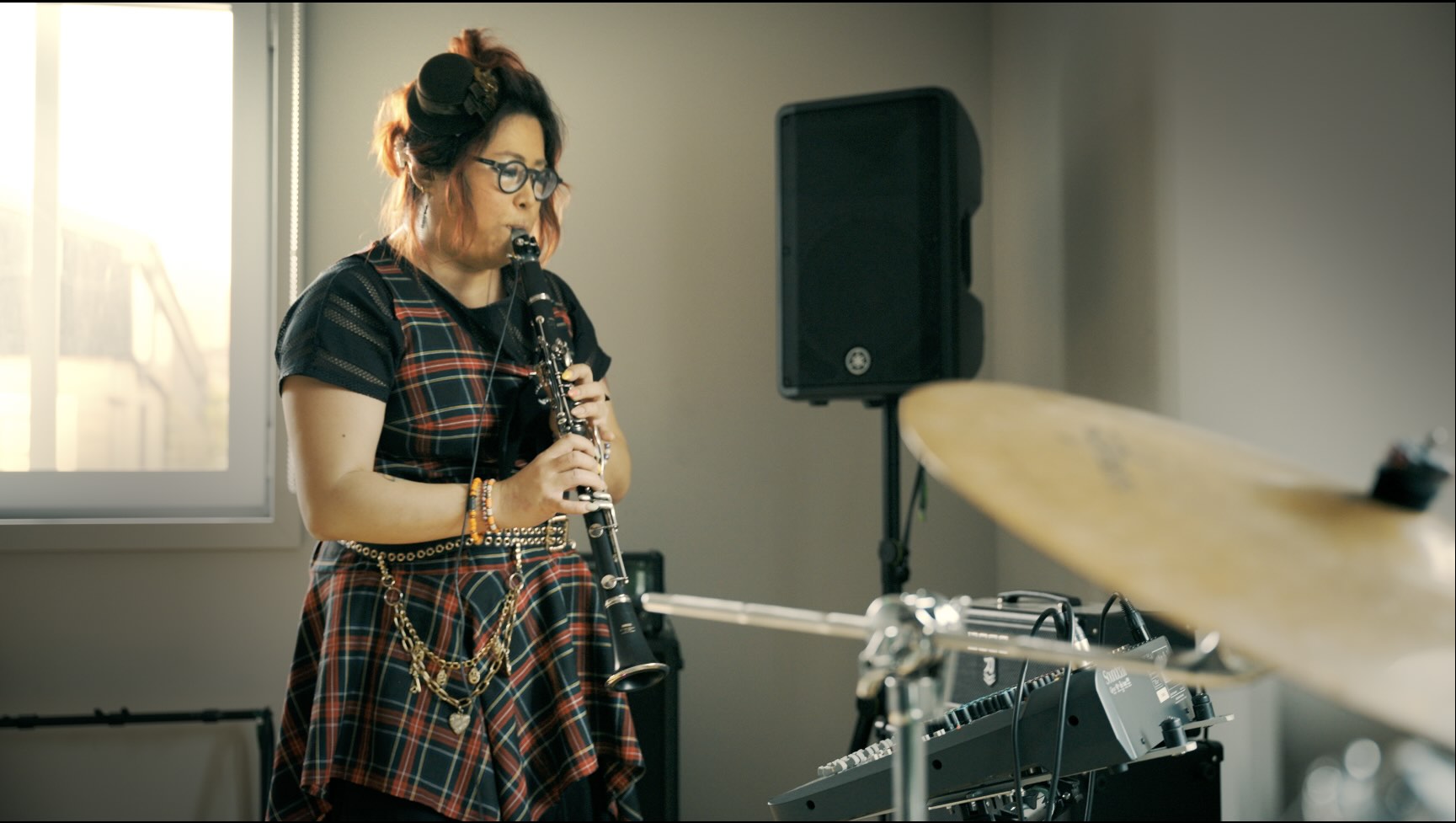
The clash between hyper-femininity and aggressive, violent music is not coincidental but politically meaningful. This contradiction disturbs culturally coded norms that associate anger and musical aggression with masculinity. Galnari’s music, and her persona in itself, is therefore not just a hybrid or a chimaera. It’s a cultural argument, in which its activism lies in contradiction.
Text: Cosimo Suglia
Curation of the webpage: Cosimo Suglia, Céline Schlesser, Sonja Kmec (upload 15 October 2026)
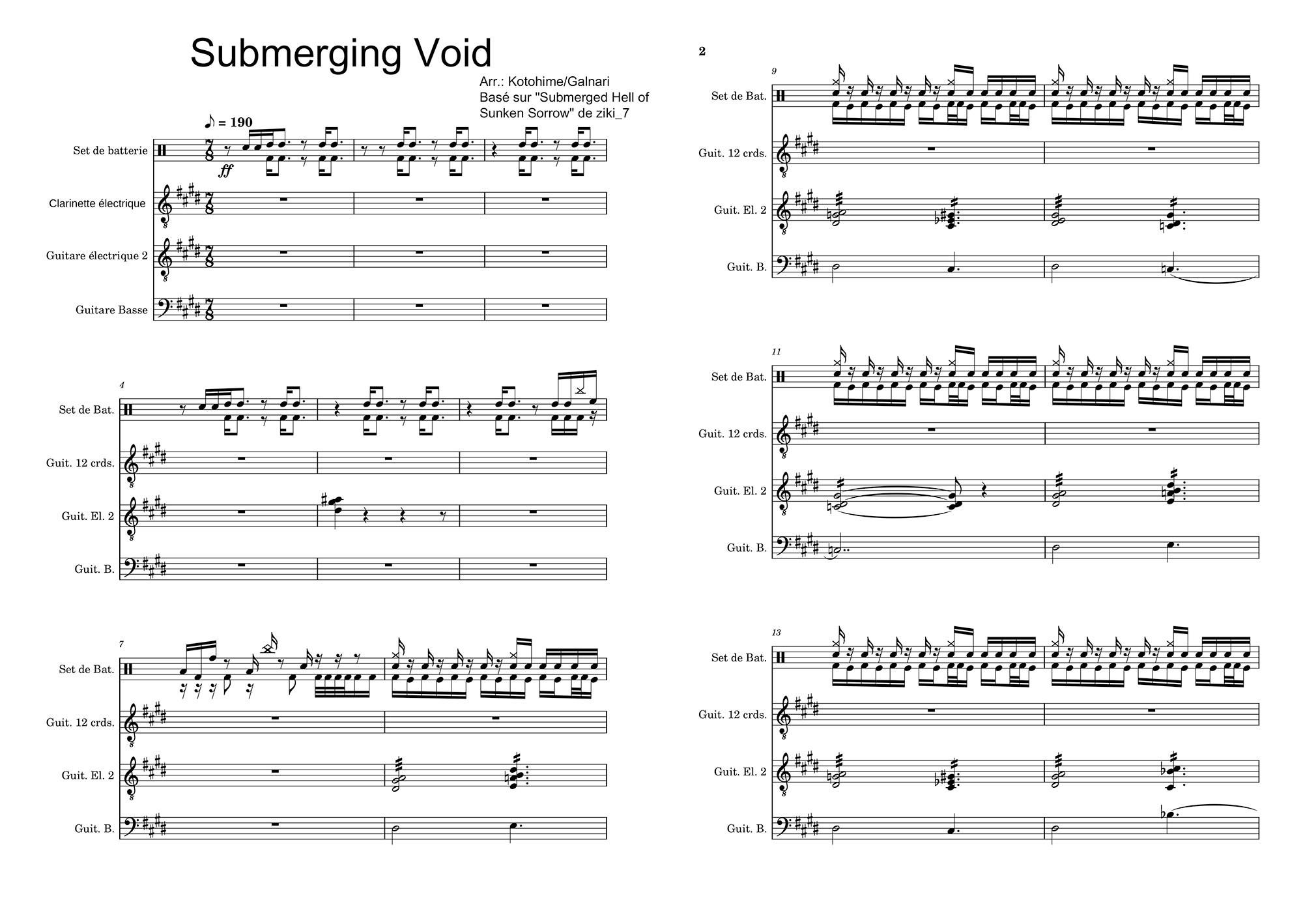
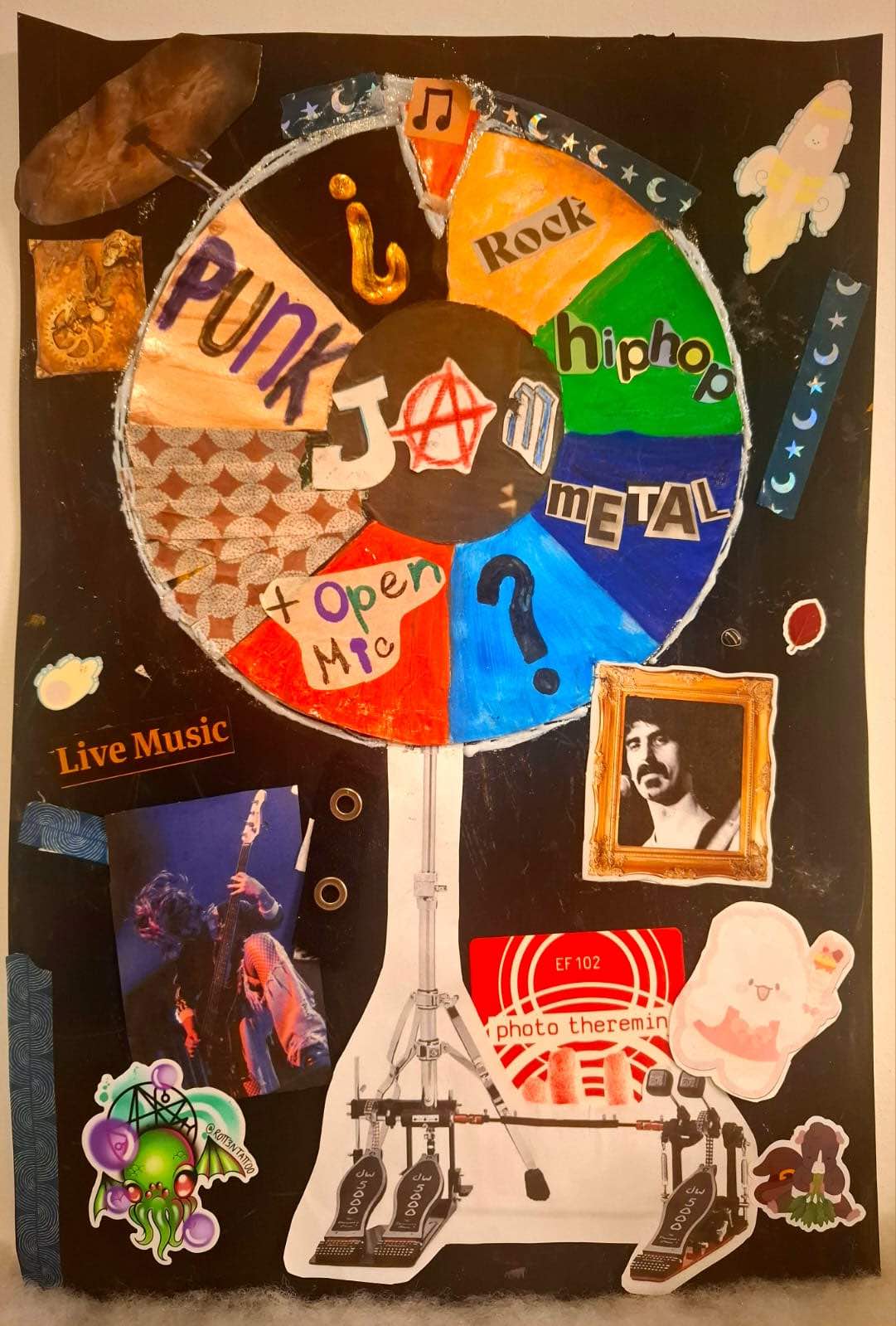
To further the argument, Galnari has yet to release music on streaming platforms in a traditional manner but remains active in the local DIY scene. Her participation in collective music spaces and public jams demonstrates that artistic legitimacy is not necessarily linked to the endorsement of traditional models of music distribution. The process of making art, and making music, doesn’t have to be about the artist undercutting their own artistic process by conforming to traditional ways of publishing art. It can be argued that progress, experimentation and novelty often occur in the unconventional.
This is particularly the case in a country like Luxembourg, where the music sector and its professionalisation do not work in the same way as in larger centres such as Berlin or London. Artists are therefore challenged to produce in ways that are less professional, less standardised, and often more communal. In this context, then, DIY practice emerges not only as a necessity but as a cultural structure and mode. The very act of creating music for Galnari defies gender stereotypes and social conformity by existing outside of expected categories – Japanese and Luxembourgish, feminine and aggressive, subcultural and local. If anything, Galnari is a shining example of how contradiction itself can be a mode of resistance.
Text: Cosimo Suglia
Curation of the webpage: Cosimo Suglia, Céline Schlesser, Sonja Kmec (upload 15 October 2026)